
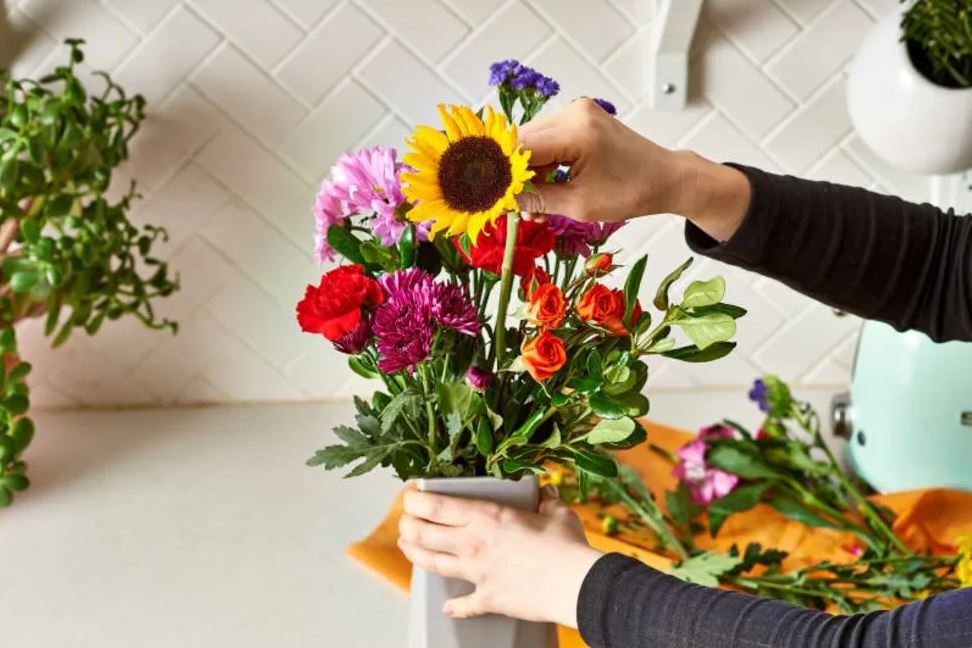
For anyone’s eye, the sight of fresh flowers is pleasant. Everyone wants to have their favourite flower bouquets last as long as it can. This can be achieved only by taking proper care of them. However, as soon as the flower is taken away from the plant, it’s normal that it will wilt. All these tricks and methods applied appropriately, however, can make certain that the flower will last for quite some time. A couple of ideas on how to keep cut flowers fresh!
Table of Contents
How to Keep Cut Flowers Fresh
1. Clean vase
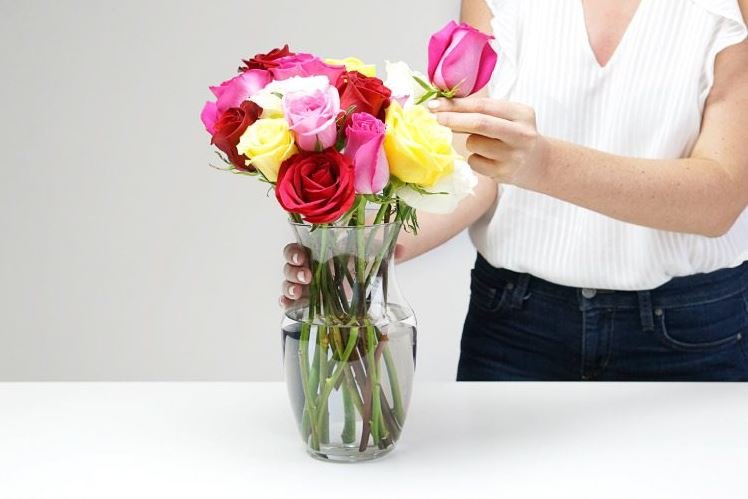
The most important step is to thoroughly clean your vase so that you’re positive that all of the bacteria is washed away and you clean your vase well with warm water and mild soap. The flower vases are prone to attracting dirt, getting flower blooms dusted on them and eventually, harmful bacteria settle in which affects the quality and lifespan of freshly cut flowers and emits bad odours.
Gently remove dirt around edge and corners, also around corners which are subject to settling using a soft brush or sponge, rinse in gently. After cleaning the flower with clean/acid free water, Evelyn placed her vase in a clean bowl and washed it to make sure that no soap residue will be in contact with the stem of the flower. Change the water and flowers in the vase leaving the vase fully dry before refilling it. Regularly dusts with regular dusting and for long life for flower.
2. Trim the Stems at a 45 45-degree angle
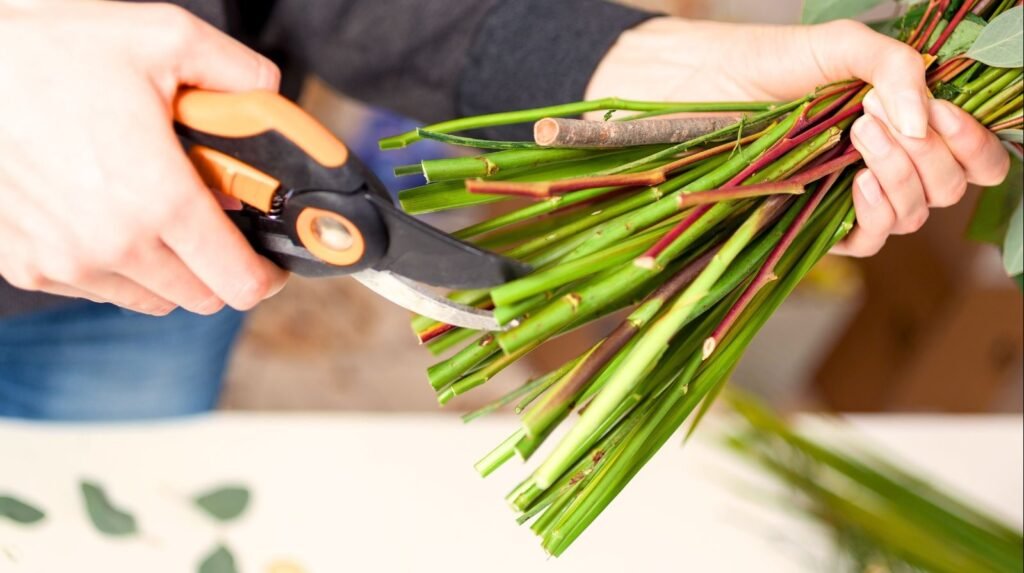
Tie up the stems of the cut flowers to keep them in a vase for a sure look. Chop the stems at a 45-degree angle before placing in water. The angle lets more surface of the cut flower be exposed, allowing more water to be absorbed by the flower and maintaining its freshness for a longer period.
Stems should also be re-cut every 2-3 days so there is sufficient water flow. Air bubbles in stems are particularly common in flowers, like roses, and can infiltrate the water absorption process into the stems and cause wilting. Always cut underwater for the no this type of problem. Finding flowers in fresh water, clean vases, and frequent pruning all contribute to having fresh flowers at home that will remain vibrant and beautiful.
3. Prune
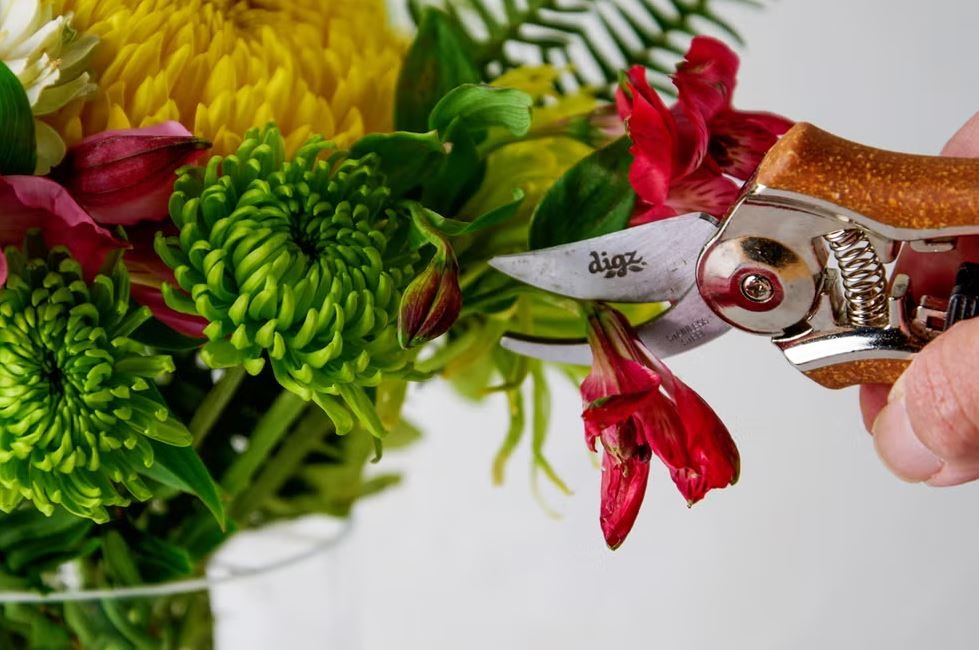
Trim leaves lower than water level to prevent the bouquet from being limp and unappealing. Dipping leaves in water can foster the growth of bacteria and reduce flower vase life. In cases of roses and other flowers, softly take off any outer guard petals as they will safeguard the flower during shipment and may be bruised or dull. Removal aids in the flower opening to a nice, full size. There has to be regular maintenance in long-lasting arrangements. Examine the bouquet every day and cut away dead petals, wilted flowers or loose leaves to avoid the spread of bacterial rot. With the correct care, your flowers will last longer, remain healthy and pleasurable for an extended time.
4. Change the Water Regularly
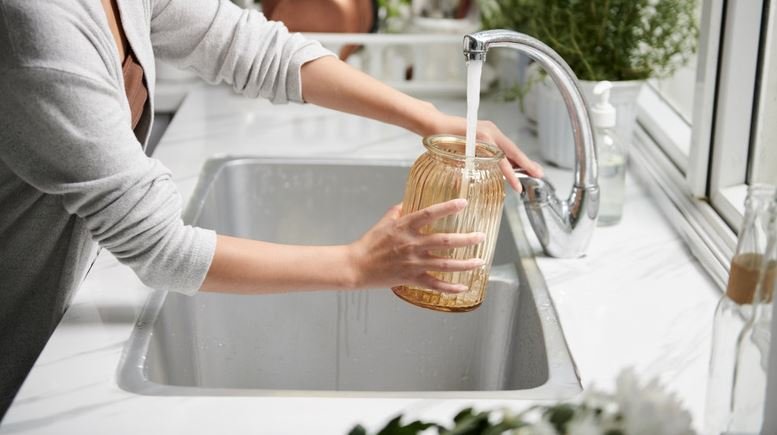
A constant source of water is the main needs of flowers. Water needs to be changed at least every 2-3 days to eliminate the possibility of bacteria buildup that may cause wilting. Replace water, trim stems and clean the vase as necessary. This will maintain an adequate water supply to flowers and reduce the growth of bacteria which can lead to decay. This practice can make flowers such as daisy and rose last up to 7-10 days. While you’re at it, don’t forget to trim the stems again and change the water in the vase!
5. Hair Spray
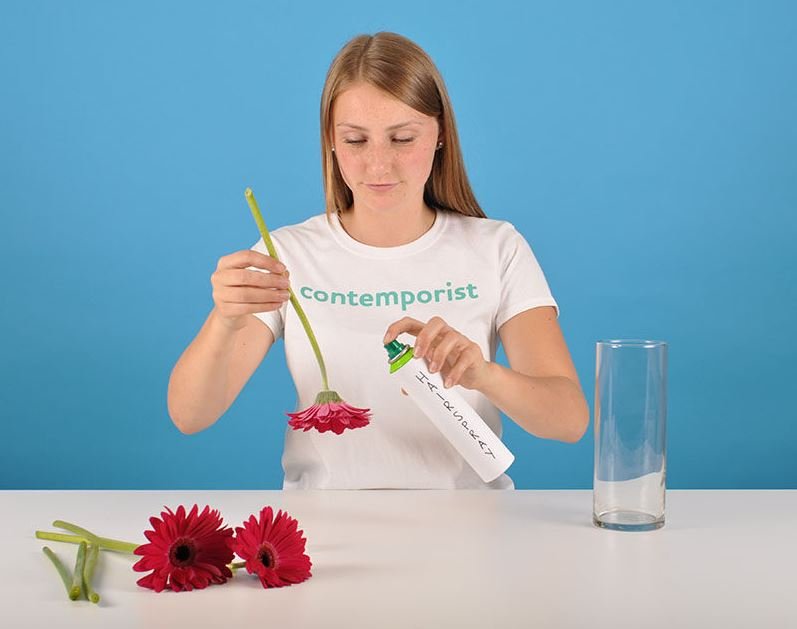
Don’t forget to mist your cut flowers with hair spray to make them last even longer. The key to this simple tip is to keep the petals nice and tidy, and to inhibit moisture loss from the leaves and flowers. To make the experience, set up your bouquet, then watch it from about a foot away from the bouquet. Use hair spray sparingly – just the undersides of petals and leaves. Do not over-soak; excessive product may cause damage to sensitive flowers. This fast technique will help preserve the bouquet’s look and also help your flowers appear vibrant and lively indoors when utilized gently.
6. Don’t use cold water
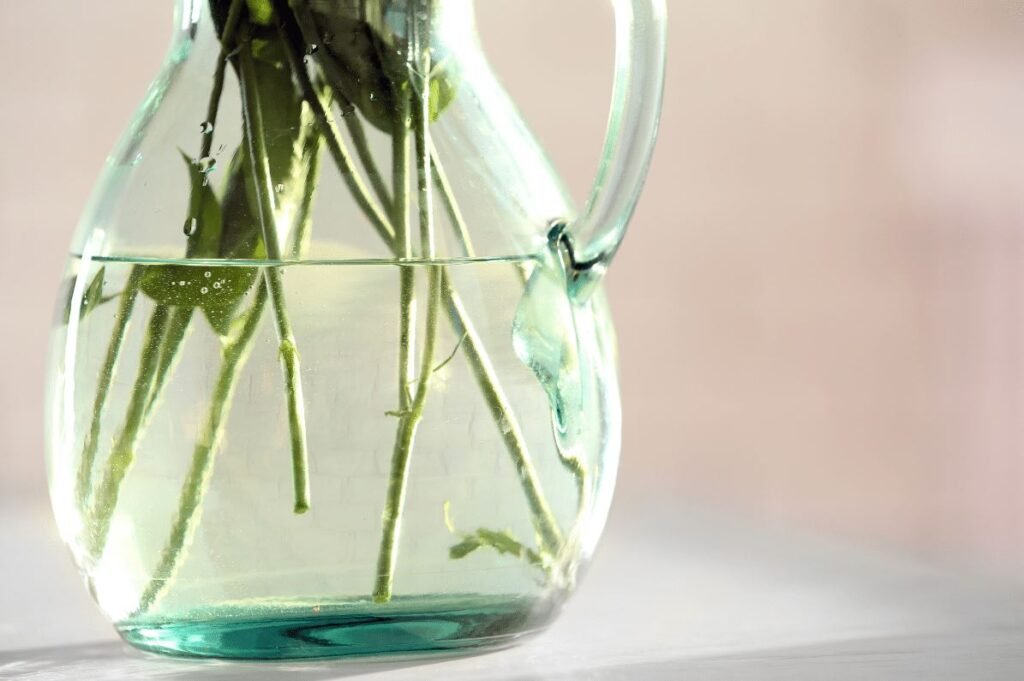
Flowers require warm temperatures and the most amount of water from temperatures at about 80°F to 110°F. Cut fresh flower stems first in warm water to help absorb water and prolong the shelf life of flowers when arranging them. This is because cold water will have additional oxygen and that can leave air bubbles in the stems. These little bubbles can clog the water and no flowers can remain hydrated. Spring bulb flowers like Tulip and Daffodil however can not be followed by this rule. Such fragile flowers do better when watered with cold water as it keeps them fresh and promotes blooming.
7. Find a suitable location for your flowers
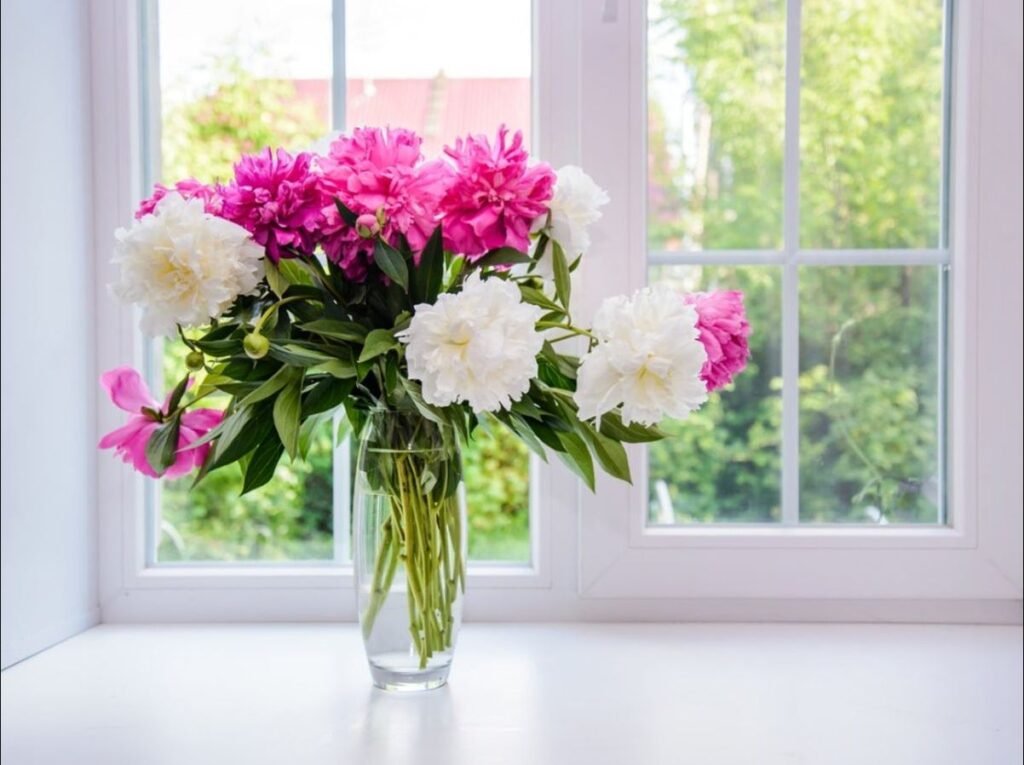
After separating your cut flowers, it’s now time for your flowers to be amazing in your house! In need of a show-stopper? Put them in the Hallway so that visitors can smile when coming in through the door. Need to add a few pops of color to the living room? Be careful that they are not placed near radiators and in direct sunlight. Otherwise, perhaps you’re simply being sent some get-well-soon flowers and want to brighten up your bedroom? Bedside tables would be ideal or windowsills might get a bit too hot or chilly.
8. Essential Nutrients for Longer-Lasting Flowers
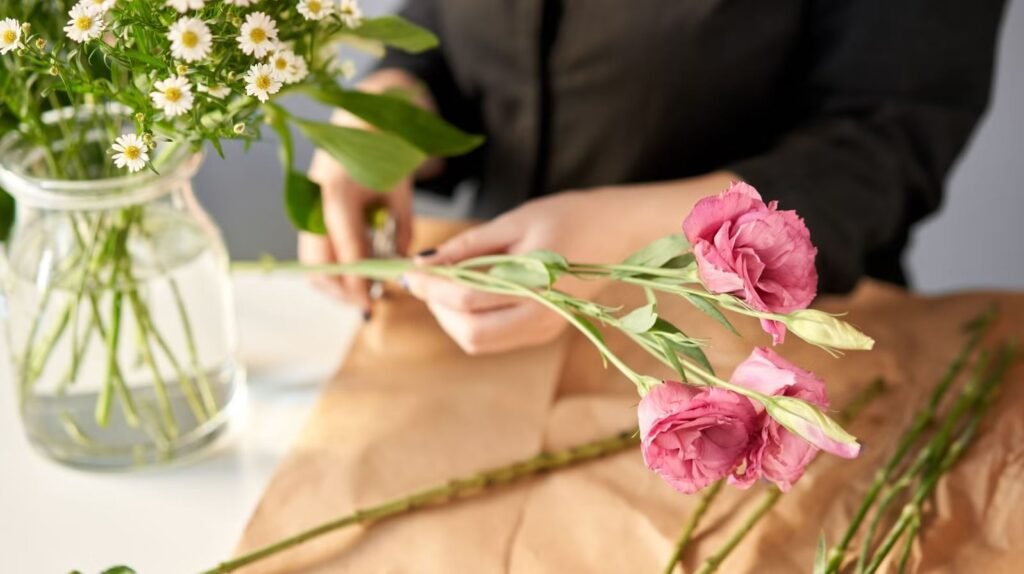
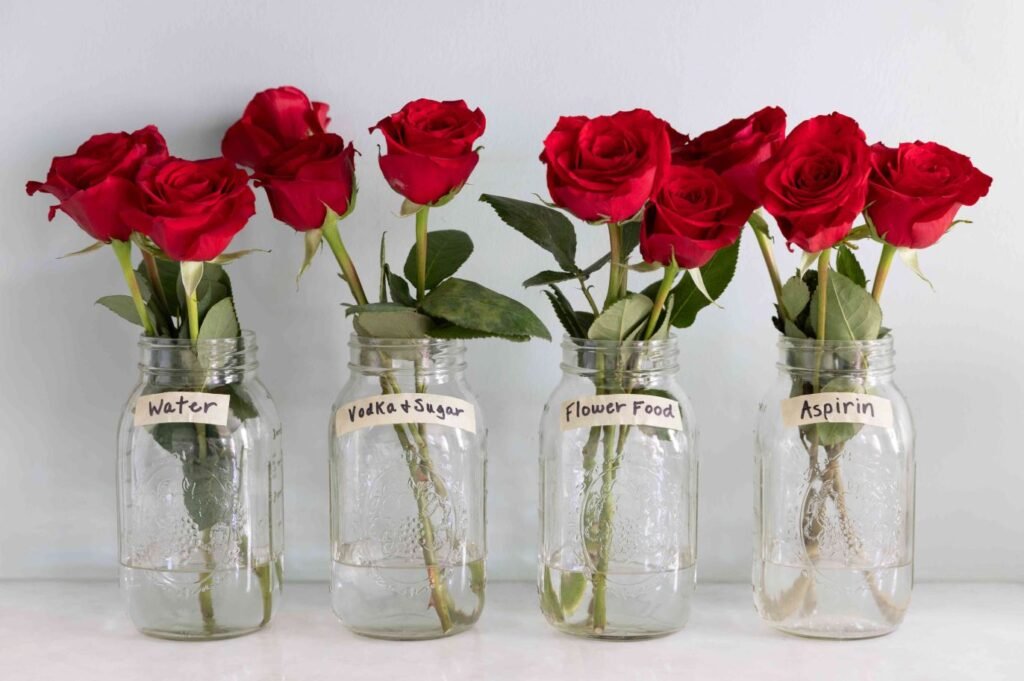
Experiment a couple of flower food recipes using everyday household items so that your cut flowers won’t die and won’t lose their color. Four quarts of water can be used to remedy with 1 tbsp sugar, 2 tbsp lemon juice and 1 tbsp bleach. Because of the sugar, the water is nourishing, because of the lemon juice, it is balanced in terms of its acidity, because of the bleach, it doesn’t give opportunity to the harmful bacteria to get bigger. A natural solution is a 1-to-1-at-1-quart combination of white vinegar and sugar. This simple remedy can help prolong the life of your flowers, keep them healthy, colourful and beautiful, and help brighten up your home decor more.
9. Remove wilting blooms and refresh midweek
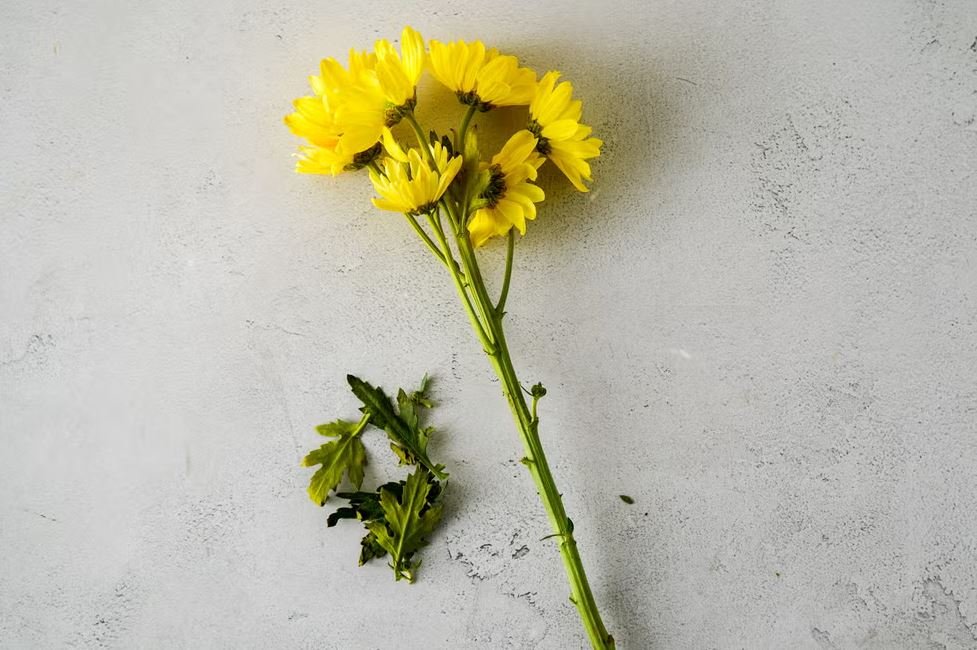
Inspect the bouquet frequently; you will have to remove any wilting or fading flowers so that the bouquet remains fresh and beautiful. Rotting flowers contain sensitive types of bacteria which can shorten the bouquet’s life. After day 3 or 4, rejuvenate the vase by cutting the stems at an angle and discarding the water and also adding flower food to the new water.
A simple care technique which can assist the water hull to penetrate the cut flowers and to cause a small revival of slightly drooped flowers; thus helping to prolong the life of bouquets. With proper care, and with restorative rituals implemented at the right time and place, your flower arrangement may continue to exude beauty, vitality and scent for many more days in your home.
10. Avoid Placing Near Fruits
While new flowers add a certain charm to a room, this charm could diminish as they’re close to ripening fruit. Ethylene gas is naturally produced in ripening bananas, apples, pears and avocados. This invisible gas speeds the wilting of flowers, giving them a droopy appearance and allowing them to lose freshness quicker than normal. Be sure to keep the bouquet away from the fruit bowl and kitchen counters, and place it in a cool location to keep the bouquet bright. The beauty and life of a floral display you place in your home will be extended greatly by the action of fresh water and frequent removal of the stems.
11. Separate harmful flowers into their own container
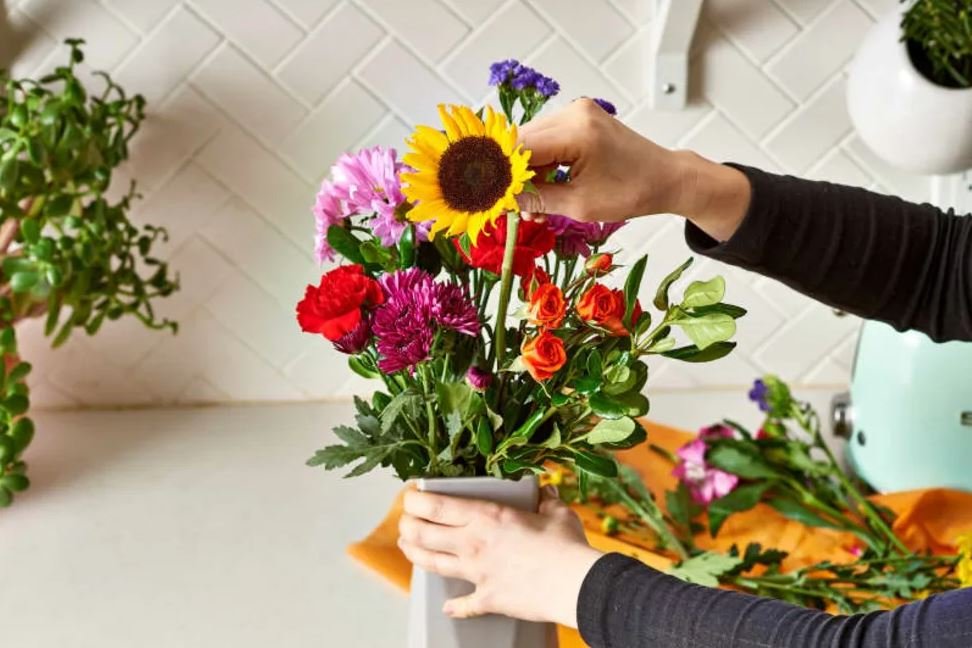
Note that when cut, hyacinths, irises and daffodils may add dangerous chemicals and damaging sap to the water—perfect for bouquets! These compounds are able to kill flowers growing close to them, and can also effect the freshness and beauty of flowers. A rule of thumb is to place hyacinths, daffodils and irises in a separate container with fresh water 24 hours before adding to other flowers; this will help maintain viable flower stems in a bouquet and avoid the drooping effect that results from mixing them with other cut flowers. This minute process allows the flowers to release harmful substances, making the flower arrangements healthier, more durable, and more attractive.
If properly cared for and tended, flowers could last several days. No microbial growth should be allowed and proper nutrients should be provided to keep the vase life long. This can go far if the water is changed will keep the flowers away from the direct sunlight and the flower stems are cut on a daily basis. Flower food is also great for extending the freshness and beauty of the flowers, or using natural preservatives by adding several to the water. These simple and effective tips help slow down the aging of cut flowers and increase their natural beauty, vibrant color and fragrance while decorating your home for an extended period of time.
Read Next