
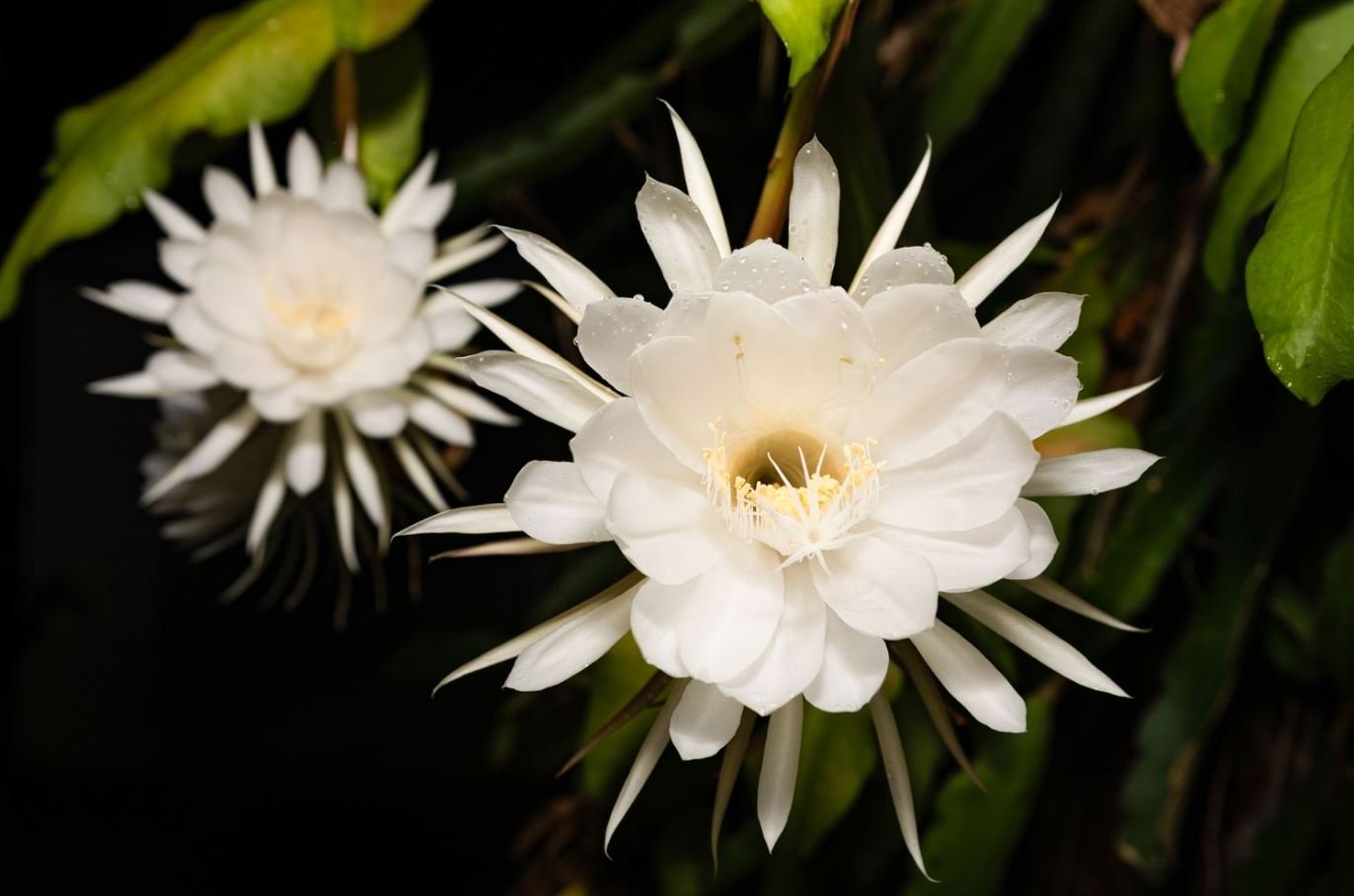
During the day, the gardens often steal the show, with their burst of color as the bright sun shines down on them, but at night, as dusk falls, there is a whisper of a softly alluring world that starts to open. And here is this magic part of the flowers, that also only bloom in the nighttime, and promise their beauty under the soft rays of the moon.
Imagine silvery white leaves glittering in the moonlight and fine blossoms gradually unfolding as the evening falls. These nocturnal flowers not only amuse with their mystery and beauty, but they also fill the air with alluring fragrances. The greatest exploit, by far, when it comes to designing a dreamy, relaxing outdoor environment, is taking advantage of flowers that bloom at night.
Table of Contents
Flowers That Bloom at Night
1. Moonflowers Unfurl Blooms at Night
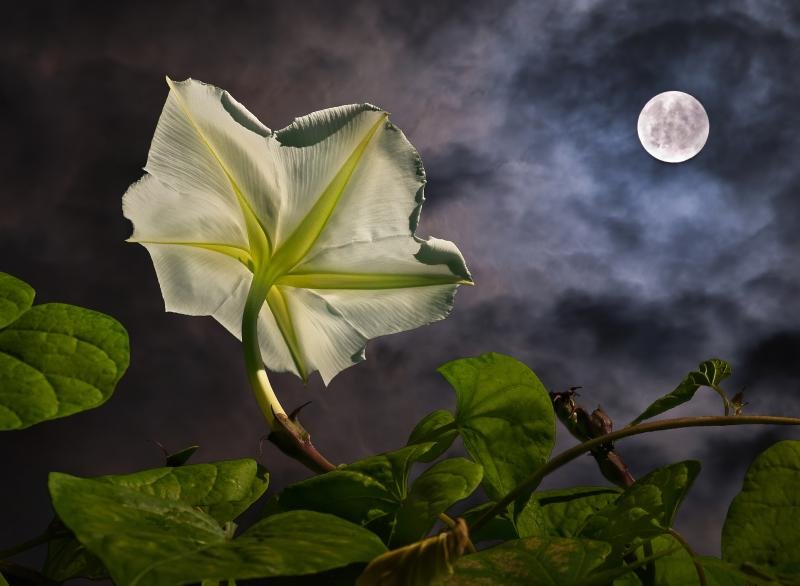
The evening makes the garden a new world. Nocturnal plants appear to light up under the moonlight as sweet-smelling flowers attract nectar-sipping moths; bats snap up annoying insects, beetles, some bees, and other pollinators. A garden that is designed to be enjoyed after sunset will be particularly friendly when you are not home during the day, and who miss spending time in a garden.
2. Angel’s Trumpet
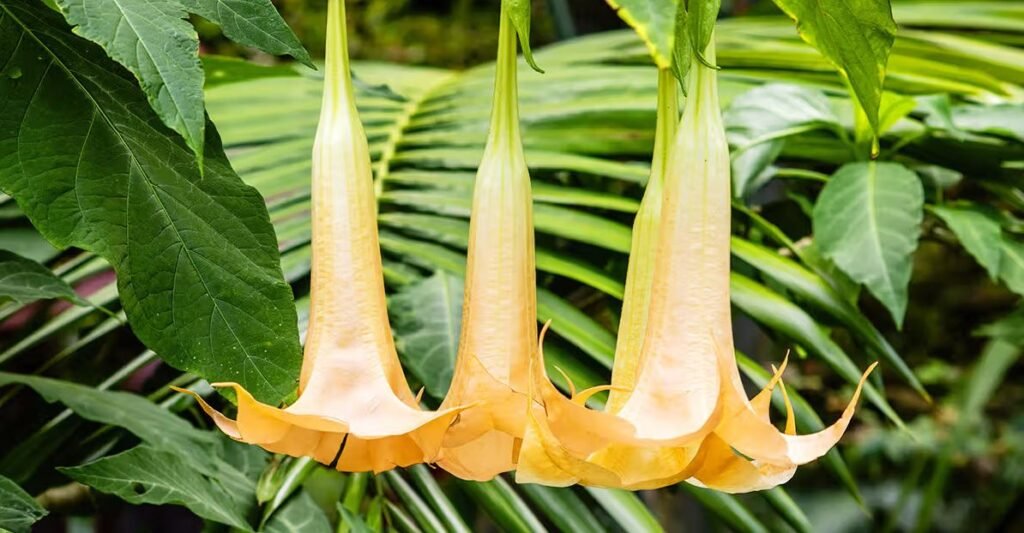
With tubular, trumpet-shaped, downward-facing flowers, Angel’s Trumpet (Brugmansia suaveolen) can reach up to 30 feet in their native habitat, which includes mountainous regions in South America. Others, like Brugmansia brugmansia, which can grow up to four to fifteen feet tall, should thrive well in containers. The flowers spread a heavy scent, which is more significant during the night. The flowers are also in greatest blast at night, as well.
3. Selenicereus grandiflorus
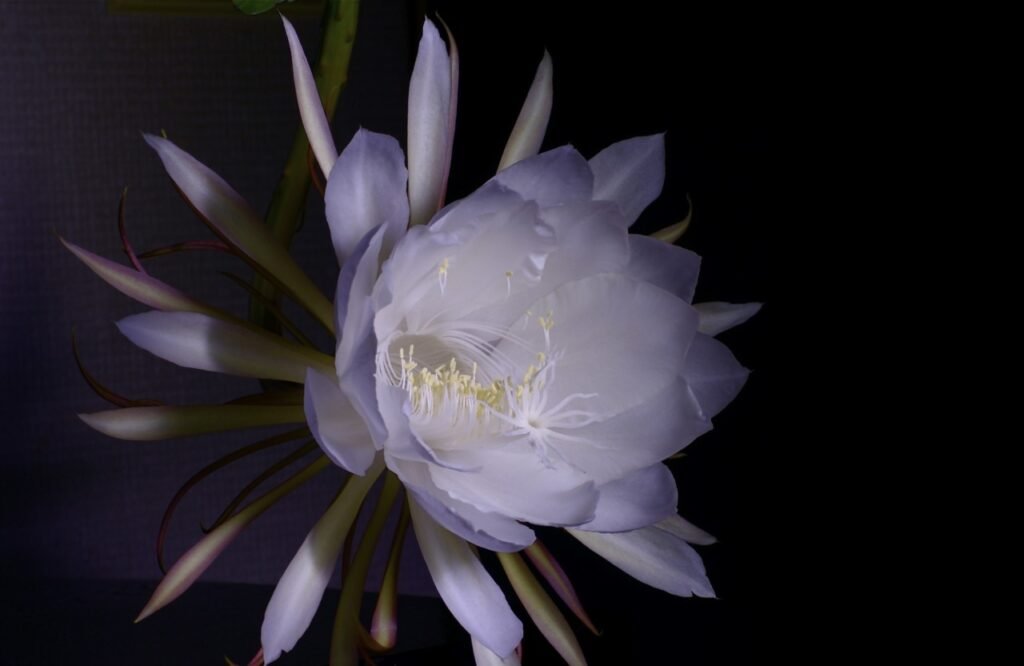
Queen of the Night Flower is a flowering plant with a nocturnal nature, scientifically named as Selenicereus grandiflorus. It is a beautiful cactus that is indigenous to tropical America and is a comparatively rare and exotic flower. The enormous white trumpet-shaped flowers of The Night Queen only open up during the night and are fragranced with a sweet odor that can fill up an entire garden. With its intricate arrangement and exquisite scent, this flower is a very rare sight as it blooms at night of the year and in such a way that takes the breath away from all onlookers.
4. Night Phlox
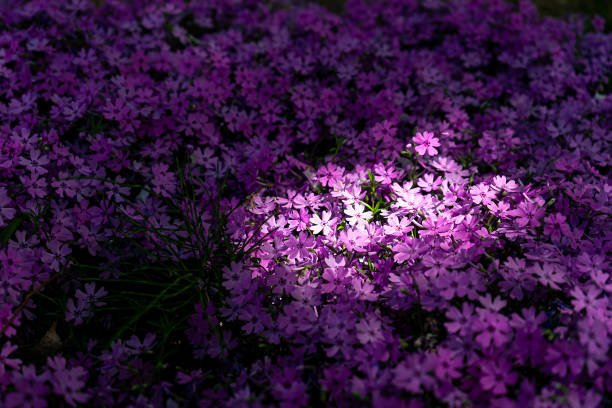
Also referred to as Midnight Candy due to the sweet scent of its flowers, Night Phlox is a plant that blooms in white and maroon (and it is much better, particularly when viewed at close range). Always desired a sweet-smelling flower perfectly fitting your balcony? You can expand these flowers, which grow in buckets as well.
This plant is really very exotic as everything being quite small in size, will produce an amazingly strong and mesmerizing smell that will make any room a comfortable restroom. Its pleasant aroma is particularly strong during the night, and it is a favorite of night pollinators such as moths. It is this natural appeal that imparts both life and movement into your garden even after the sun had set.
5. Evening Primrose
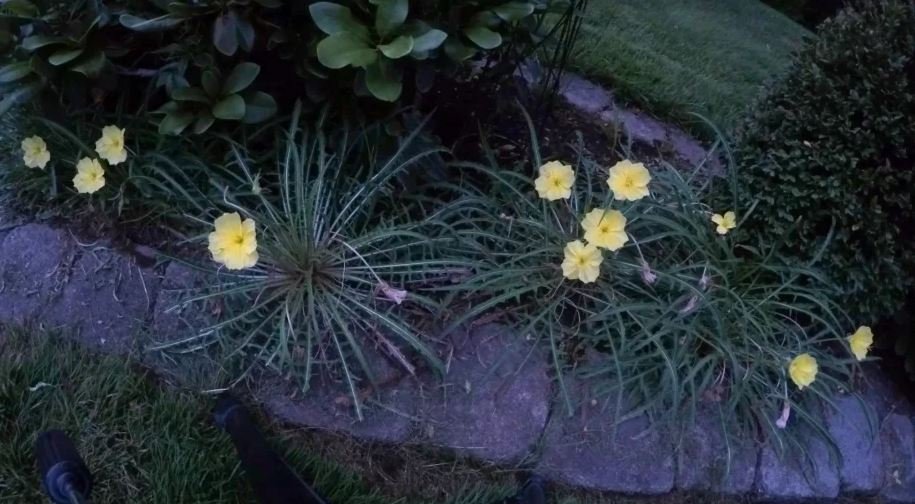
Evening primrose is a beautiful plant, with coral colored flowers that bloom at night, giving it its name. This is a curious plant that is not only observed with admiring eyes but it is also of great value in regard to its medicinal value. Different portions of the plant such as seeds, leaves, roots and more prominently the oil derived from the seeds, find extensive use in both traditional and modern medicine. The evening primrose oil is especially famous because of the potential health benefits of this plant, and thus this plant becomes a significant natural remedy with not only beauty, but also the health benefits that come with it.
6. Casa Blanca Lily
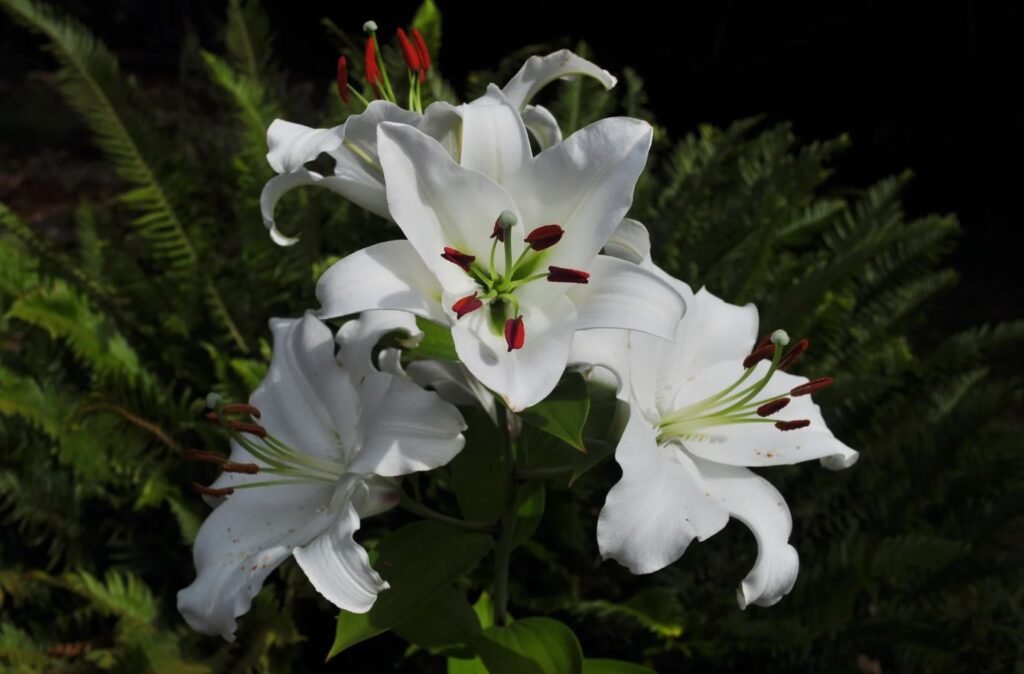
Their strong smell and large, beautiful flowers that grow on stems up to three to four feet in height and shine white in moonlight will surely have you longing to be around when they open each night. The perennial bulbs will bloom in mid-summer to late summer and do well in cooler climates. This lily has got a preference for full sun and will, however, grow in part sun to part shade.
7. Tuberose/ Rajnigandha
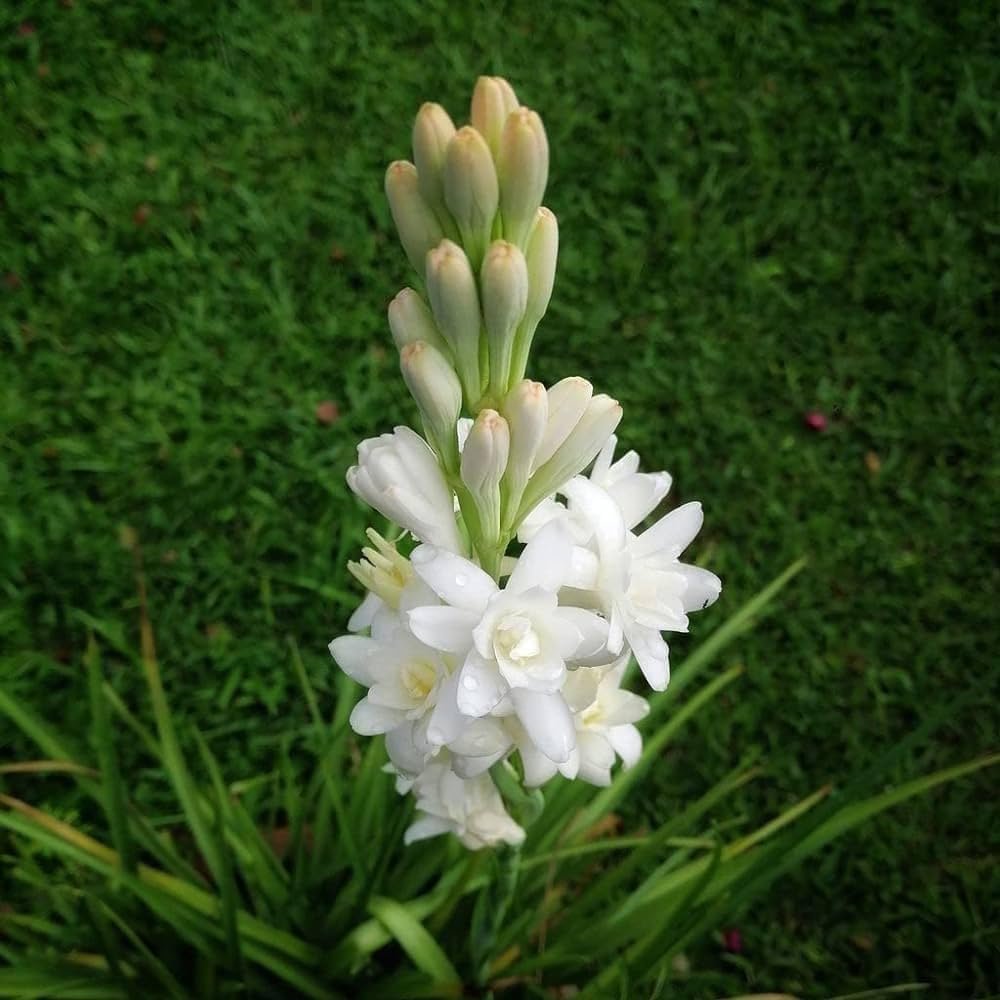
The flower is also admired because of its deep and pleasant fragrance, which will instantly make you feel better and in any space. Its star-shaped white flowers are waxy and gracefully aligned to the large, elegant spikes, thus providing a delicate yet stunning appearance. Planted all year round, giving a hint of tranquility and beauty to gardens and flowerbeds, it blossoms at night. Being one of the most prized tropical ornamental plants it is commonly cultivated over an extended period due to its long-lasting flower spike. In addition to its beauty, it is also invaluable in perfumery as well as for traditional purposes due to the aromatic oils that it produces.
8. Night Flowering Jasmine (Cestrumnocturnum)
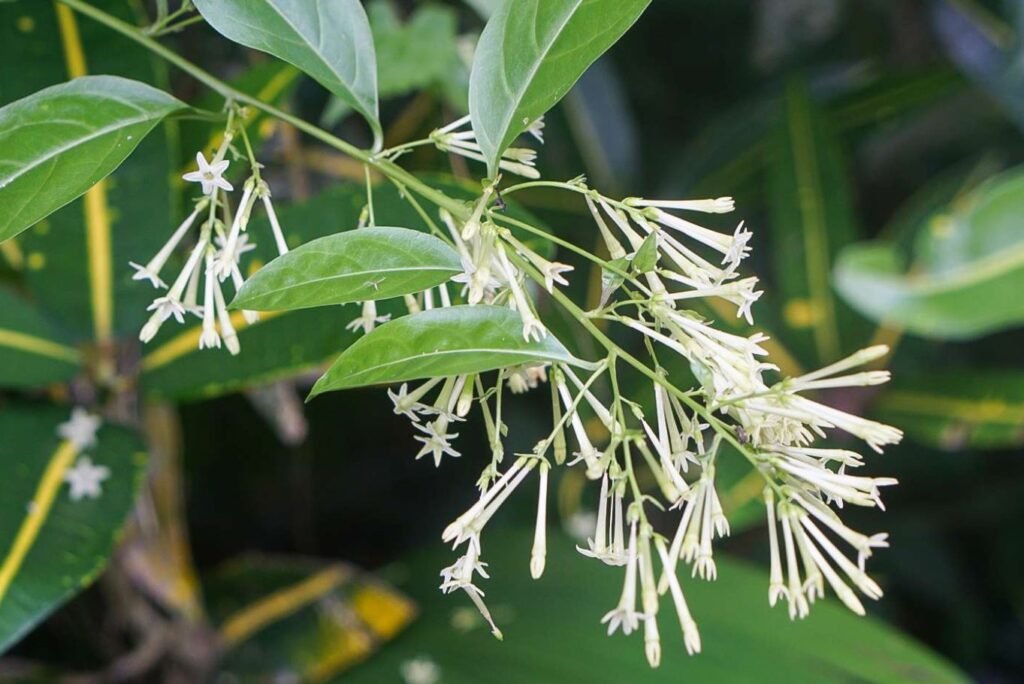
One of the odorous night-blooming genera is the night flowering jasmine, Cestrum nocturnum, which has a wonderful sweet smell and is admirable in an enticing aroma that flows in the air, particularly in the air after a sunset. It is popularly known as raat ki rani plant and is a stunning shrub that may rise to a height of up to 9-10 feet and, typically blooms between January and June.
Its white and small flowers may have a simple smell, but such a fragrant smell causes their flowers to be that much more special. This magical plant is said to be the embodiment of mystery, romance, and magical bewitchment of night in the Indian gardens, which is easily linked to myths and folklore.
9. Garden Heliotrope
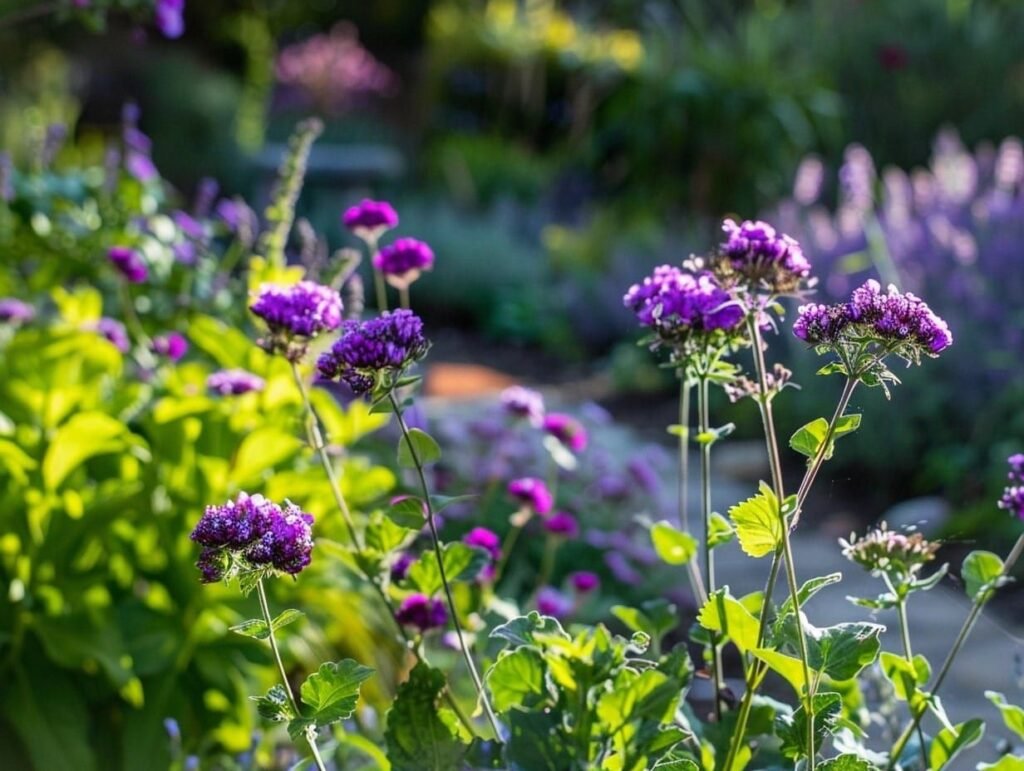
Not only is this native Peruvian flower beautiful with its purple and white appearing flowers, but it has a sweet vanilla-like smell that attracts all kinds of pollinators and well-wishers. With their interesting behavior, heliotrope flowers gracefully turn to the sun during the day, which exposes them to sunlight to the maximum. Their dainty tubular flowers also open up in the moonlight when they are in need of pollination and they invite moths and bats. The heliotrope makes an interesting addition to any garden as it can be easily incorporated to add both a touch of beauty and smell, and natural flow easily due to this unique day-to-night transformation.
10. Gardenia (Gardenia Jasminoides)
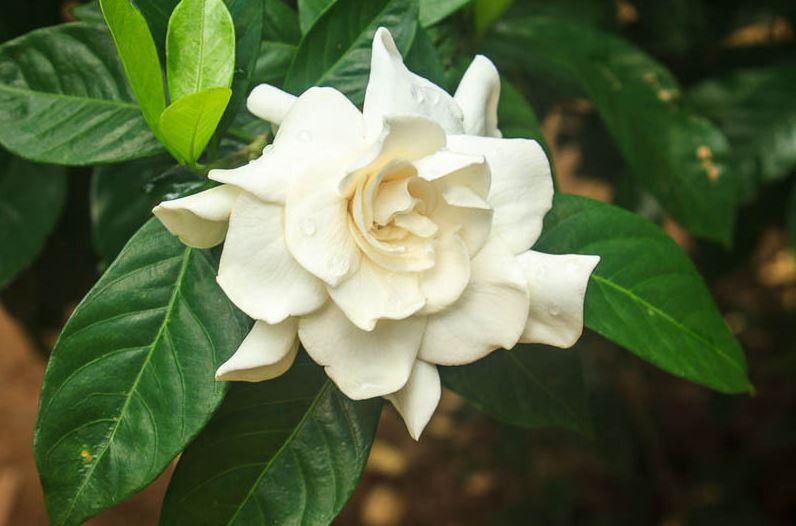
The cherished Gardenia has a strong fragrance and delicate clusters of white flowers on dark and glossy green leaves. Beautiful and classical in nature, it still has a smell that immediately brings to mind warm summer evenings. The gardenias bloom during the daytime, but grow stronger in hot nighttime and emit a stronger scent after sunset. This is a natural characteristic that attracts the moth, the main pollinators, and this is why this flower makes a perfect example of a flower that becomes even more admirable when it gets dark.
11. Four O’Clock
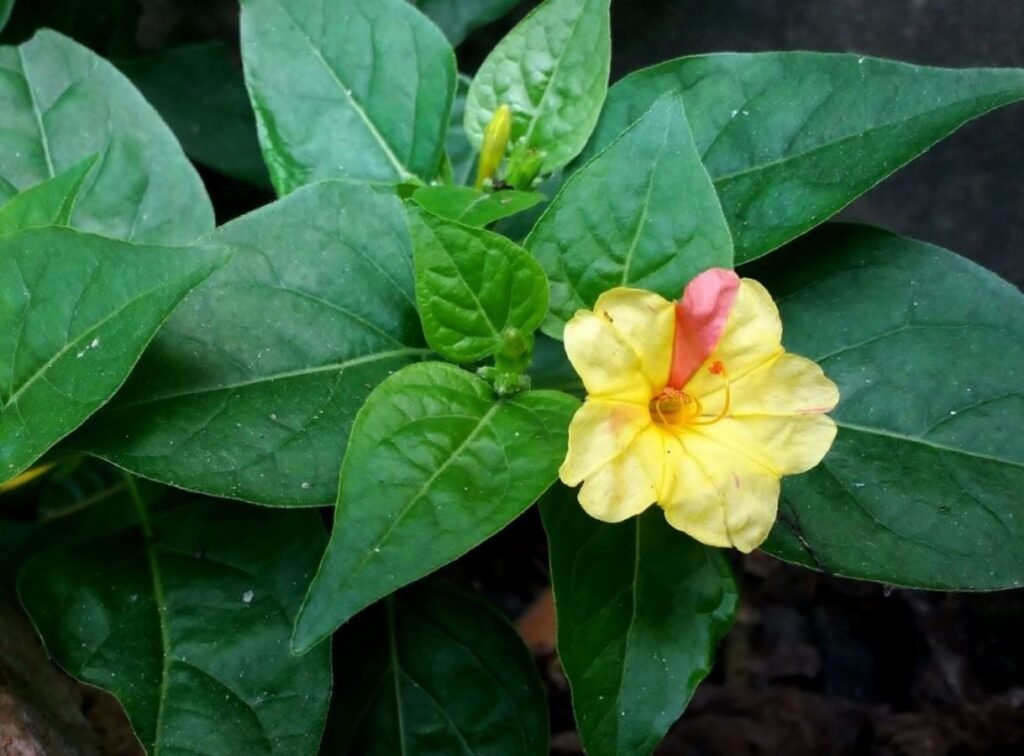
Next in our list of beautiful flowers that bloom at night is the four o’clock, also known as the marvel of Peru. These beautiful flowers open somewhere between 4 to 8 pm at around the time of evening or at dusk. They are closed in the morning but a strong, sweet smell is produced at night. Four o’clock plants naturally occur in Mexico, Guatemala, Chile and Peru, although they have been introduced extensively to other regions of the world as an ornamental plant.
12. Mock Orange
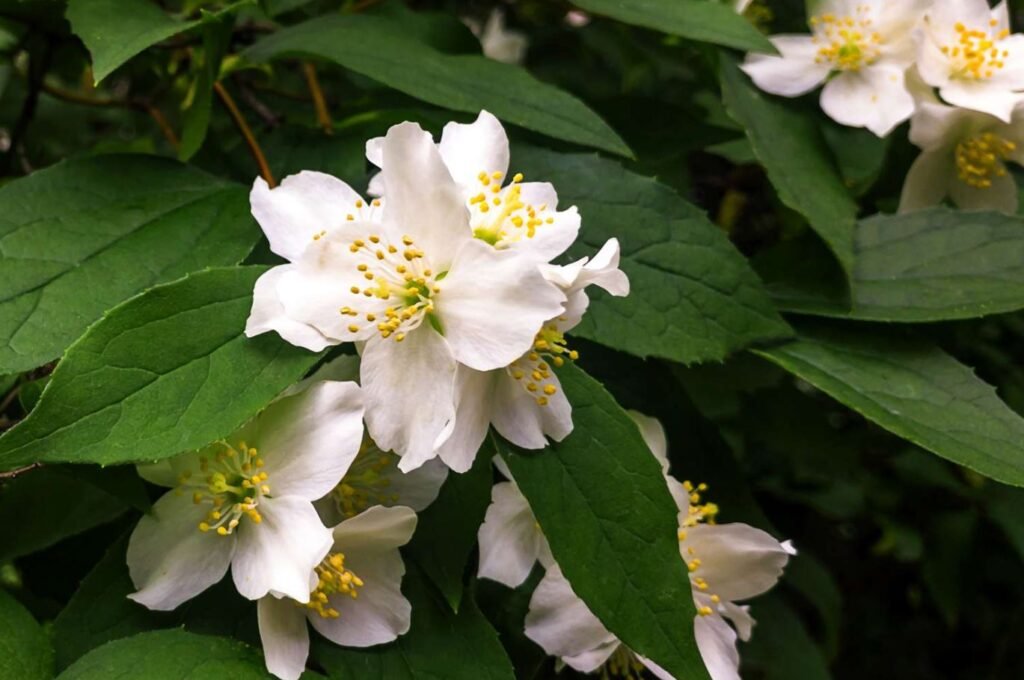
Once you sniff the perfume of mock orange (Philadelphus), you will know how alluring a natural smell can be. It is the resemblance between the smell of the tiny white flowers of this charming shrub to the smell of fresh orange flowers that makes it known by its name. According to Baboun, the aroma is not only sweet but it is also refreshing; it immediately uplifts any garden space. The mock orange blooms (late spring to early summer) not only provide visual beauty but also a sensory experience. The flowers may even be cut and brought into the house and naturally fragrance your home with their delicious citrus-like fragrance.
13. Artemisia
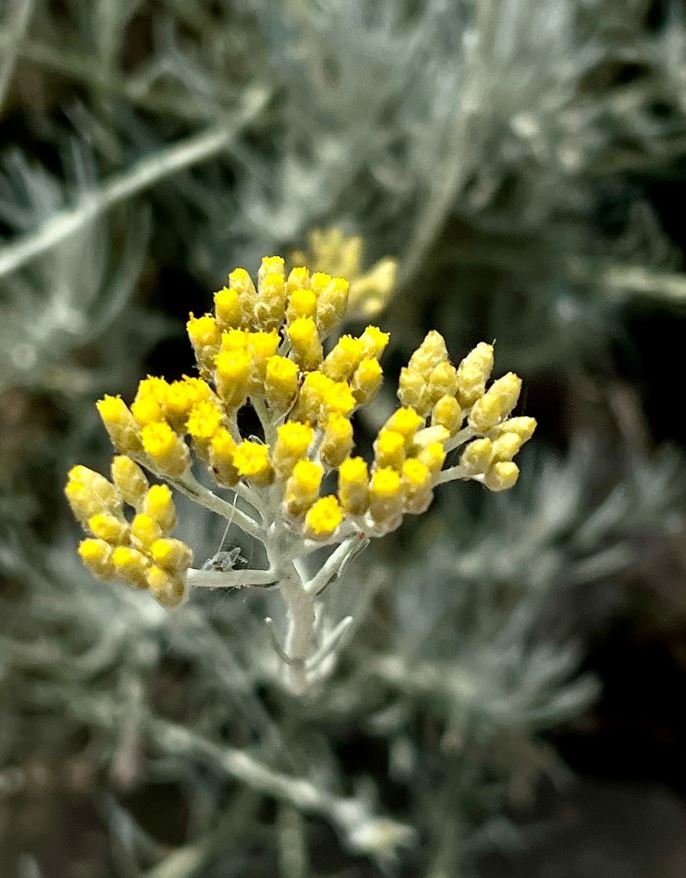
Artemisia has a dramatic presence in any garden, and is an ideal surrounding of the more colorful, demonstrative plants. The textured or soft leaves of it form a lovely contrast, and make the surrounding blooms visually more attractive. Artemisia is also very practical in that once set up, it can survive in hot, sunny, and dry environments, making it a low-maintenance option to the gardener. Popular varieties of it, including Silver Brocade, Southernwood, and Silver King are especially appreciated as they contribute both the beauty and durability to the landscape designs without having to work on them extensively.
14. Brahma Lotus (Saussurea obvallata)
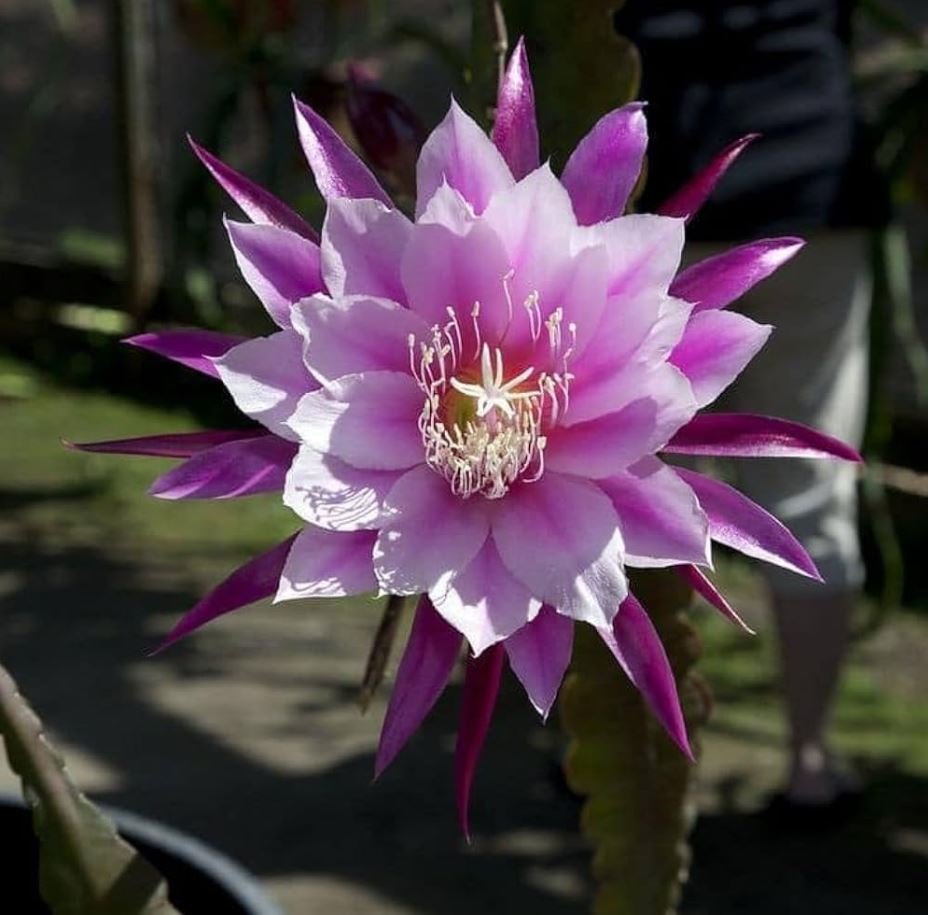
One enigmatic Himalayan flower is the Brahma lotus ( Saussurea Obulata ), which is a scientifically named flower. It is a sacred and rare night-flowering plant. White flowers of this airy flower are beautiful and refer to some myths and legends about the region. Many say that the kamal was used by to create the universe, it was what crafted the intricate details of this world we see and it’s what gave us life. Also, it also has legends that tell us that Brahma was born out of a lotus, thus, giving this plant its adorable name.
15. Nocturnum Orchid
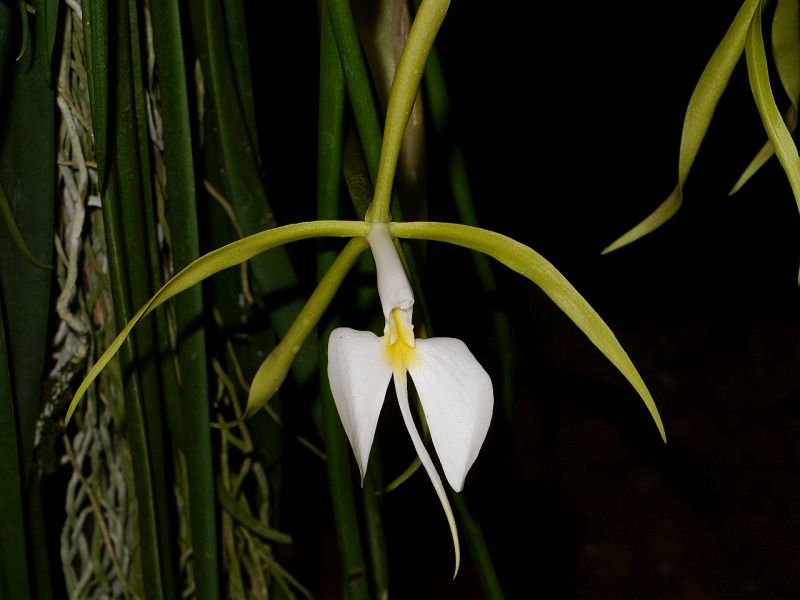
The Nocturnum Orchid is a rare orchid not widely cultivated, which has a mesmerizing citrus fruit aroma, and once blooms at night. This is unlike all the usual admired Phalaenopsis orchids, which provide a refreshing and aromatic breeze to a bouquet, and thus makes it very special. It is native to tropical forests, yet is scarce due to its requirements in terms of climate and scanty farming. The Nocturnum Orchid needs a lot of humidity as well as a sustained warm climate to survive. Frequent misting will maintain the correct amount of moisture, and the orchid bark, or even mounting growth supports, will assist the natural habitat that will offer healthy and graceful blooming throughout its entire lifecycle.
16. Night Gladiolus
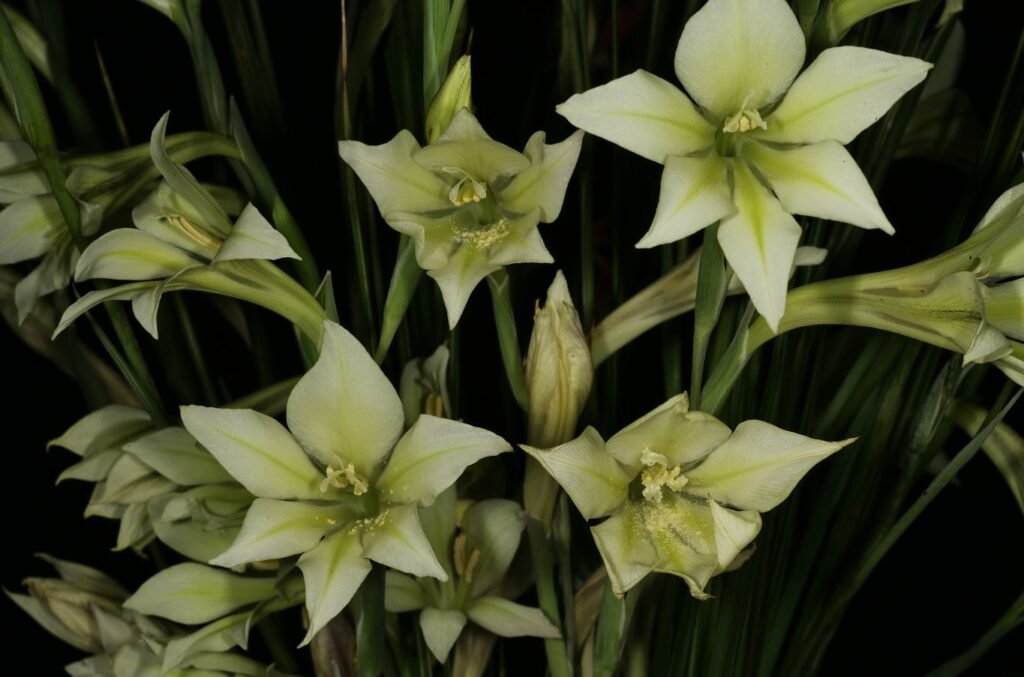
The Night Gladiolus is a beautiful plant, with creamy yellow flowers and a charmingly spicy scent, which is more evident in the evening. The beautiful flowers it produces make it a favorite of plant lovers, making their flowers add a lot of charm and elegance to any garden. Even being so beautiful, some parts of this plant are toxic and can give people irritation or an allergic reaction in case of careless handling. Interestingly, the Night Gladiolus is also a significant ecological element, in that, the Night Gladiolus naturally attracts pollinators (butterflies and bees, among other valuable insects) in support of biodiversity in gardens.
17. Impatiens
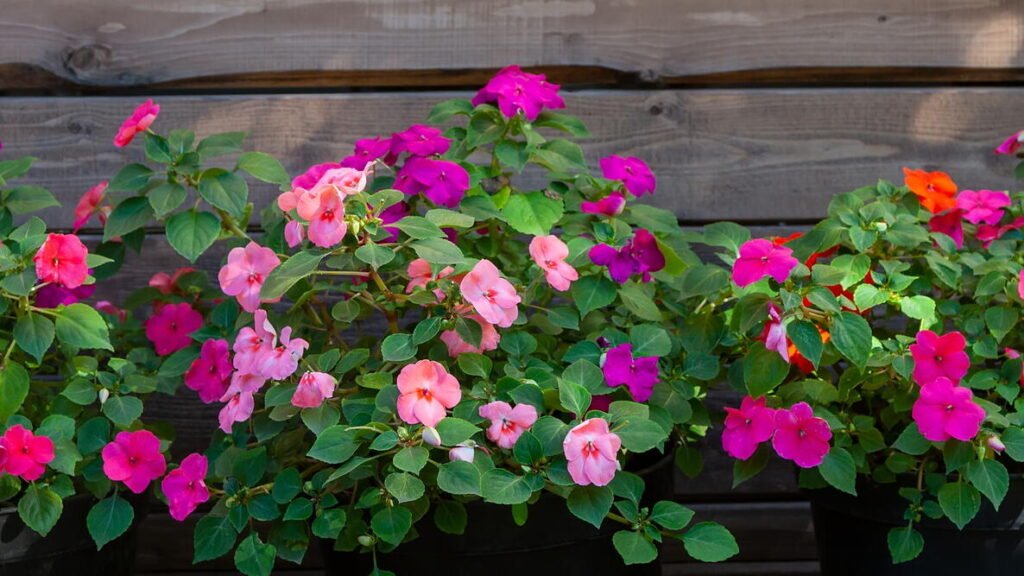
White impatiens are a cheap, low-maintenance, annual that provides continuous blooms from spring till frost should you have a shady backyard. Their white, light, glow is so agreeable and inviting when planted in great drifts around seating places. Impatiens require some shade, although can withstand a little bit of the morning sun. Some types of impatiens tolerate full sun, but read the label to be sure about what you’re buying. This does not require much maintenance since it can be planted out as a perennial in zones 10 and 11.
18. Datura
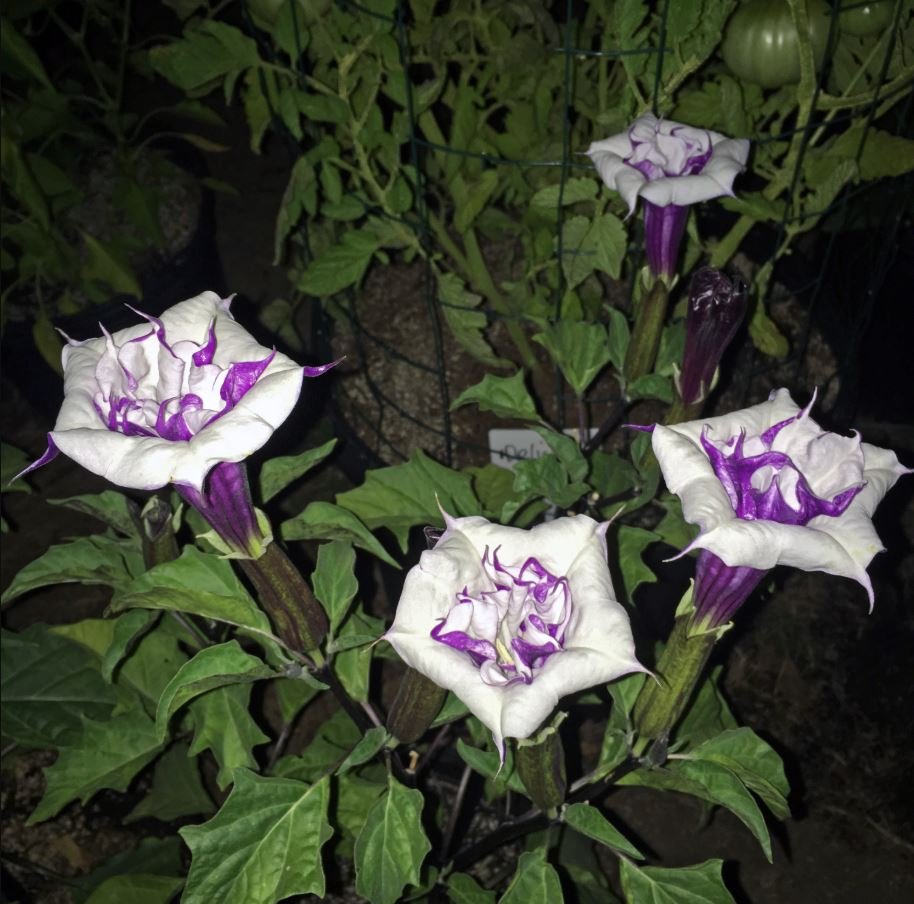
The plant, commonly referred to as the thorn apple, has been appreciated because of its aesthetic beauty, as well as, its medicinal properties. It is commonly grown due to its massive, flaunting, trumpet-shaped flowers, which can bloom in any of the following colors; white, yellow, pink or purple, and thus add a dramatic effect to gardens.
In its ornamental value, it has been used in traditional medicine in several different uses, although it should be handled with care because of its toxic nature. The plant carries a unique spiny capsule fruit that is full of a lot of seeds. As beautiful as the species may be, some of them are also deemed as invasive weeds in some of their habitats.
19. Chocolate Daisy
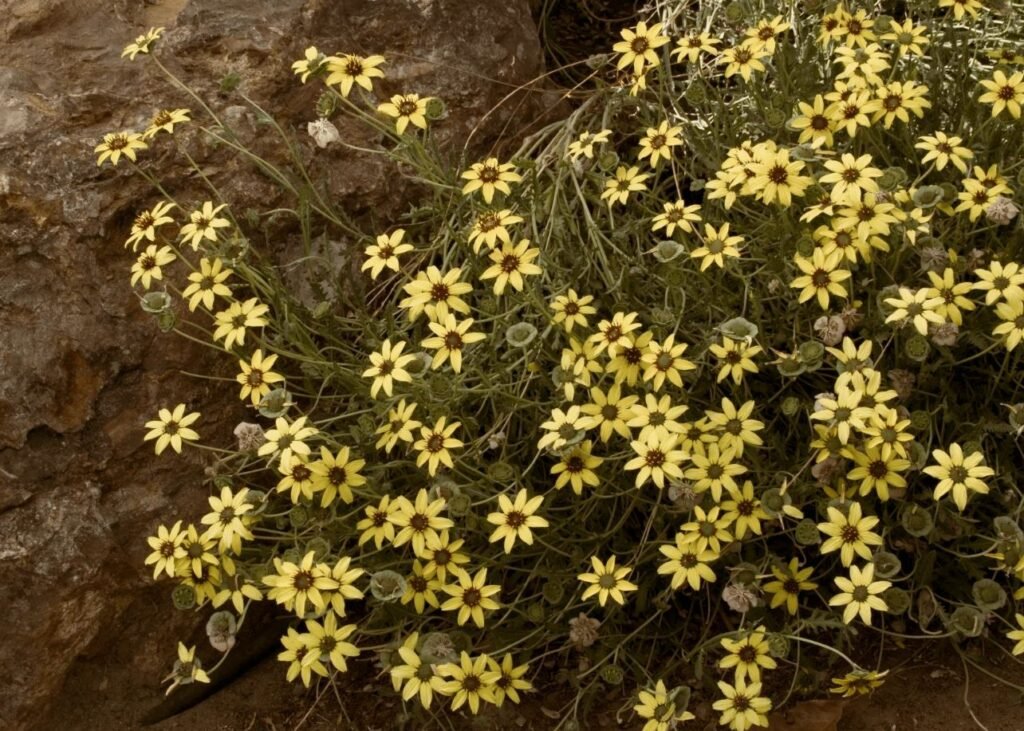
Incidentally, the chocolate daisy, too, blooms at night. It is well known because it has bright daisy-like flowers and smells delicious with a chocolate aroma. Chocolate daisies are native to the southwest United States and Mexico. They open in the twilight, and stay open in the morning giving off a strong odor of chocolate. They also bloom long period, which begins at the spring until the frost. Chocolate daisies are easy to grow. They are tough and minimal requirement plants and can develop in poor to average soil. The soil, however, must be well-drained.
Read Next