

When it comes to herbs, rosemary is in style. Hardy, extremely tolerant of all other plants (including those unsummoned water-wise beginners and expert gardeners) and a must-have for any kitchen! It’s not just for adding flavour to a variety of foods; it also makes for popular water infusions. Hair rinses, facial mists, and simply adding some water colour to a drink are popular with the wellness community, and homemade rosemary brews do all three! In the first few entries, we have been sharing how to make rosemary water and the ways it can be incorporated into your everyday life- just one super-easy luxury to indulge in.
Table of Contents
How to make rosemary water
One of the simplest and most effective DIY hair care solutions you can make right at home is Rosemary water. Needs very few and easy-to-find ingredients and less than 30 minutes of preparation time. Nightly rosemary water can create a healthier environment for your scalp, which can help to build healthy and robust hair roots for your body and encourage hair to start growing.
Here are the steps in detail to have freshly done rosemary water correctly. When it comes to “how do you make rosemary water?” there are only two ingredients (you’ve guessed it right, fresh rosemary and water) and some easy steps. Dried rosemary can be used to create rosemary water but the leaves cling to the water to the point of being very difficult to get off, and not recommended.
Step 1: Boil the Water
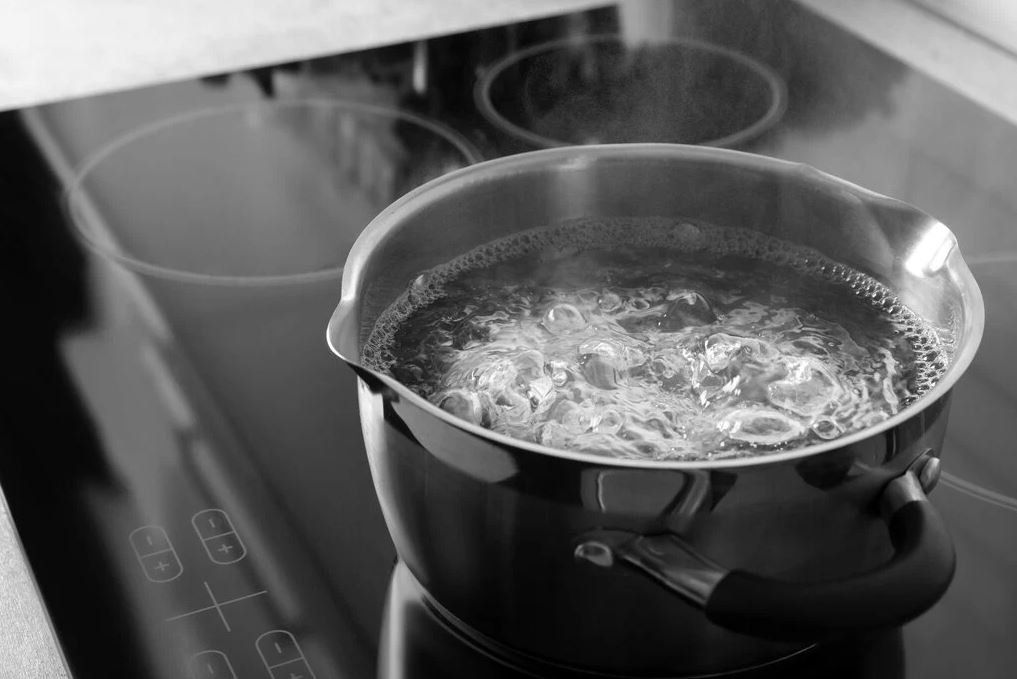
Fill a saucepan or pot with 2-3 cups of clean water. Set on a stove over medium heat and let it boil, but at a low heat. The filtered water is recommended use as it helps to maintain a cleaner and purer rosemary infusion without impurities. Because in the infusion process beneficial nutrients and essential oils will be released from the leaves of rosemary, it is important to boil them correctly.
Step 2: Add Rosemary

If the water has burst, add a few more rosemary sprigs and/or dried rosemary leaves. Often the flavour of a rosemary is enhanced with fresh rosemary which has got a much more natural taste or an acceptable alternative is dried rosemary. Mix well, making sure to distribute the rosemary in the water evenly. Nutritional value the rosemary begins to heat.
Step 3: Simmer
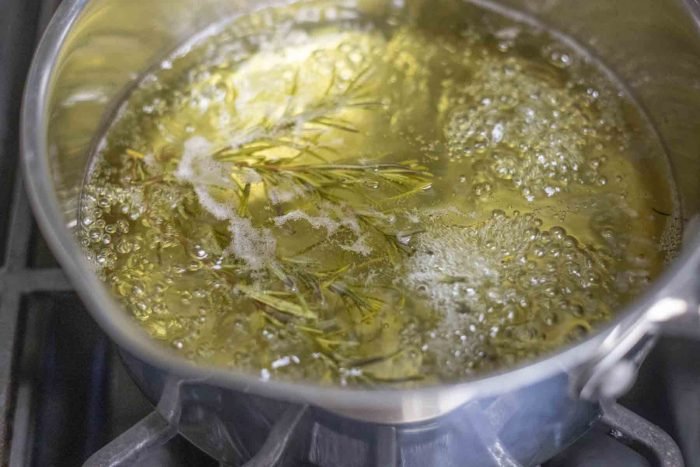
Lower the heat and allow the rosemary mixture to simmer for about 15-20 minutes. Slow cooking will cause the water to Soak up the qualities of the herbs better. It could be that the water might go a bit pink during this period, and it’ll undoubtedly have a nice herbal bouquet. Never boil for too long on high heat as it might spoil some of the Rosemary’s desirable qualities. The infusion will become more flavorful the longer it simmers.
Step 4: Cool the Mixture
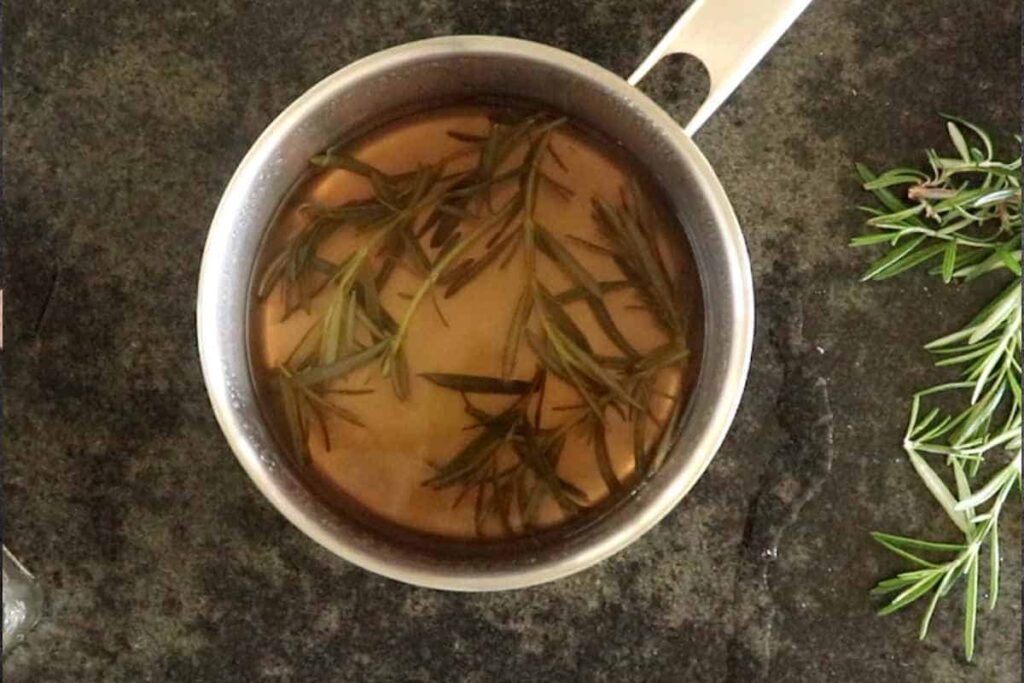
Once simmered, heat off and allow the saucepan to sit undisturbed until the rosemary water is cold. Cooling is key as it will ensure that the infusion settles and is safe to apply straight to the scalp or hair. Rosemary water should be room temperature before transferring the water to another container. This process further accentuates the herbal essence.
Step 5: Strain and Store

Striding the rosemary water when it’s cooled, you’ll remove the rosemary leaves with a fine strainer or a paper or cloth filter. Transfer the liquid to a fresh spray bottle, glass jar or airtight container for convenient application. Keep rosemary water in refrigerator to keep it fresh and keep it safe from getting spoilt. Ideally suited to use within 1 week for optimum benefits. Gently shake the bottle before every use to evenly distribute the natural ingredients.
Different Ways To Use Rosemary Water For Hair
If you don’t know how to use rosemary water in your hair, listed below are simple tips to incorporate it into your hair care routine:
Scalp Spray: best to spray this on the scalp after washing the hair and massage gently for better absorption and circulation.
Leave In Rinses: Rosemary brewed with water from the pitcher makes a great “Leave In” rinse for after shampooing or after using a conditioner so you can condition your hair with nature while it’s drying, and leave it more shiny and fragrant.
Scalp Massage Treatment: Mix rosemary water with rosemary oil, before using some drops and massage it onto the scalp, then, wash your hair.
Pre-Wash Scalp Soak: Insert rosemary water to the scalp beforehand shampooing session, it nourishes the roots and refreshes your scalp before shampooing.
Everyday hair-water: Use rosemary water as a daily hair mist to keep them hydrated, refreshed and healthy all day long as a light hair tonic.
Tips
- The key to rosemary water is consistency—6 months or longer—when using it as regularly as possible. After a couple of months, this will begin to show results, so just be patient!
- Place rosemary water in bottle and refrigerate it. It will keep for up to 2 weeks, but will probably be gone by then!
- Rosemary water has been applied to dry hair or hair that is slightly wet. But most people do not see the best outcomes with it when they take a bath rather than a shower.
- Do not use dry rosemary, since it won’t be as effective for this use. We prefer fresh rosemary because it is a stronger flavour.
Rosemary Water Benefits For Hair
Rosemary is loaded with Carotenoids and has been used for its anti inflammatory effects that can assist in decreasing swelling in the scalp.
A natural approach that promotes healthy hair growth. In this study, rosemary leaf extract enhanced the regrowth in the hair from mice.
If you are suffering from dry scalp, you can make use of this recipe to nourish your scalp and fight inflammation.
This recipe won’t leave your hair grease these may benefit an oily scalp. Rosemary essential oil has the same advantages (and perhaps more) as water, but can make you grease up your hair.
Helps to keep all kinds of hair healthy – greasy or dry.
Rosemary is known to possess antibacterial, antifungal and insecticidal properties.