Over time, even the best cared for wardrobe can start to show signs of wear and tear. Used sweaters become fuzzy on the sleeves, well-loved T-shirts lose their shine, and used leggings have little balls of fibre on the thighs. Although pilling is a very common garment-related complaint, it doesn’t mean that it is inevitable, and it will not shorten the longevity of your clothes.
With the proper equipment and methods, the initial formation of such fuzz can be avoided, and the textile can be brought back to life. Now let’s see how to get rid of pilling on clothes, the tools you will need to take pills off clothes, and the steps you need to follow along with you to make sure you never have any more pills that get on your clothes.
Table of Contents
What Causes Pilling on Clothes?
Pilling occurs when damaged fibres on the surface of the fabric mingle together to create the “pills” found on garments. The main culprit? Friction. The garments rub against each other, other clothes, and against various fabrics, such as backpack straps and car seats, and against cushions and other surfaces when wearing clothes.
The washing and drying add even more friction. These threads tend to gather and may pick up loose micro-threads during washing and tumbling, contributing to the piling process. Fabrics tend to pill to varying degrees. Fleece type knitted fabrics are more prone to pilling compared to woven fabrics; some fabric types are least pillable, including linen and silk. Wool, flannels, and cotton mixes are also particularly susceptible to forming pills.
How to Get Rid of Pilling on Clothes?
1. Sort Clothes by Color & Fabric Type
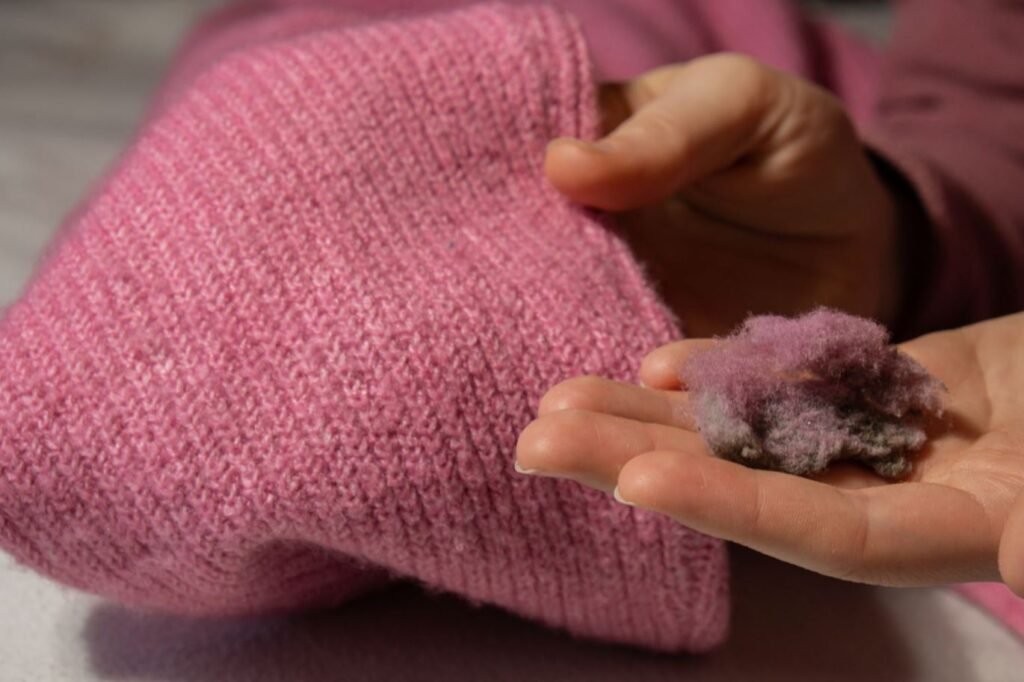
Can’t remember to split T shapes? That pair of black pants might have pills showing that stand out from your romper in a hot yellow. Or, your dark holiday sweater may leave fizz balls on that white workout tee you wear on your body. Sorting clothes by color can help you to limit pills that are formed from contrasting color fabrics. Matters like sorting according to fabric types are also something that needs to be taken into account, as it will help avoid the possible damage of heavier fabrics to lighter fabrics over time during washing.
2. Turn Clothes Inside Out
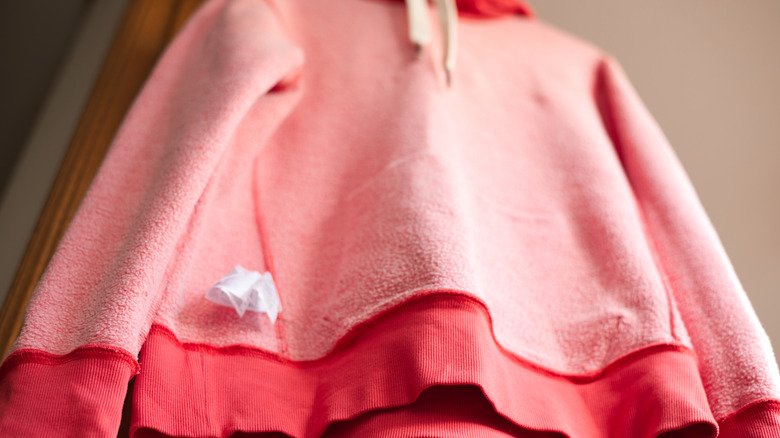
Some clothes should be washed inside out, particularly Jeans, this will help preserve their appearance and protect the garment. This technique can lessen the rubbing of the outside of a garment, preventing such things as fading, jet blackening, or abrasion. It will also help to minimise further pilling of clothes, because the inside of the clothes will receive most of the rubbing during the wash cycle. The outside fibre doesn’t get damaged by washing by turning the clothes inside out, so your loved garments will look new and fresh every wash.
3. Fabric Pills
A degree of pilling may occur, but taking proper care will minimise it. At the end of the day, it’s all about minimising friction. Turn clothes inside out before laundering them, wash on gentle cycles and in mesh clothes bags to prevent the buildup of lint, sort them by color, texture, and weight, use a mild detergent with little softener to avoid linting, and air-dry as much as possible or select low-heat. However, be aware of purse straps, seat belts, and armrests that can continue to rub the same spot on a pair of clothes over and over again.
4. Lint roller
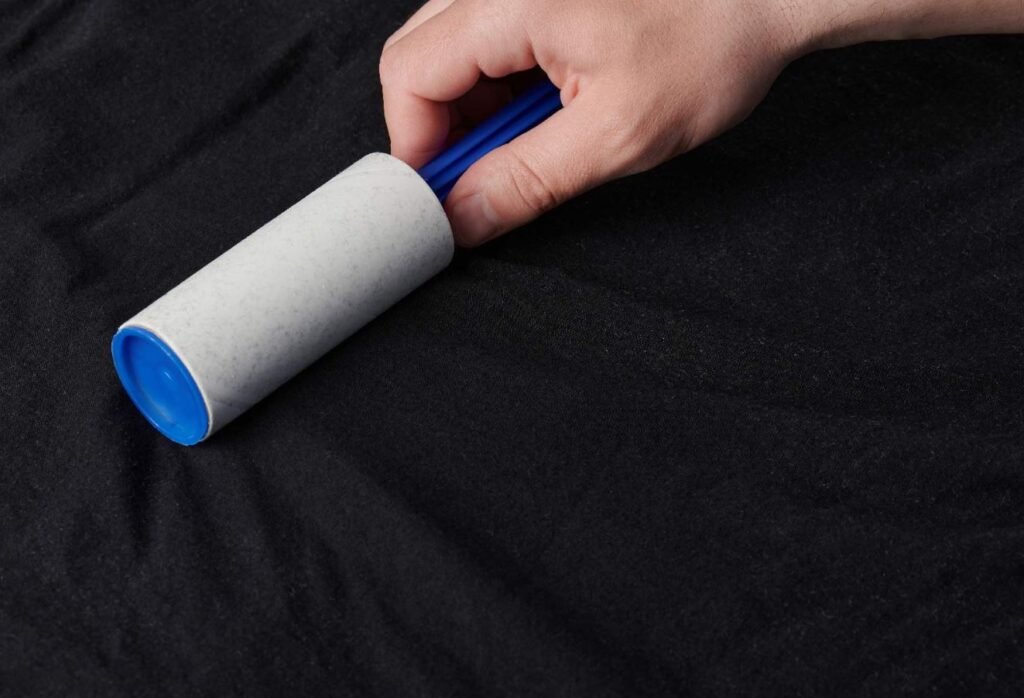
Get rid of pilling on clothes and soft materials can be quickly and easily done with liquid paper (sticky tape roller). Works best for small and shallow pills that are not firmly embedded in the fabric. This technique is mild and secure, so it’s an ideal choice for light and delicate clothes or lightweight sweaters. To remove fuzz and loose hairs from the fabric without damaging it, simply roll the sticky side over the surface that you’re applying it to. A sticky tape roller is another great and cheap product that is easily available and which is easy to keep in the house to help maintain the neatness, smoothness, and shininess of clothing at home.
5. Get Rid of Pills with a Stone
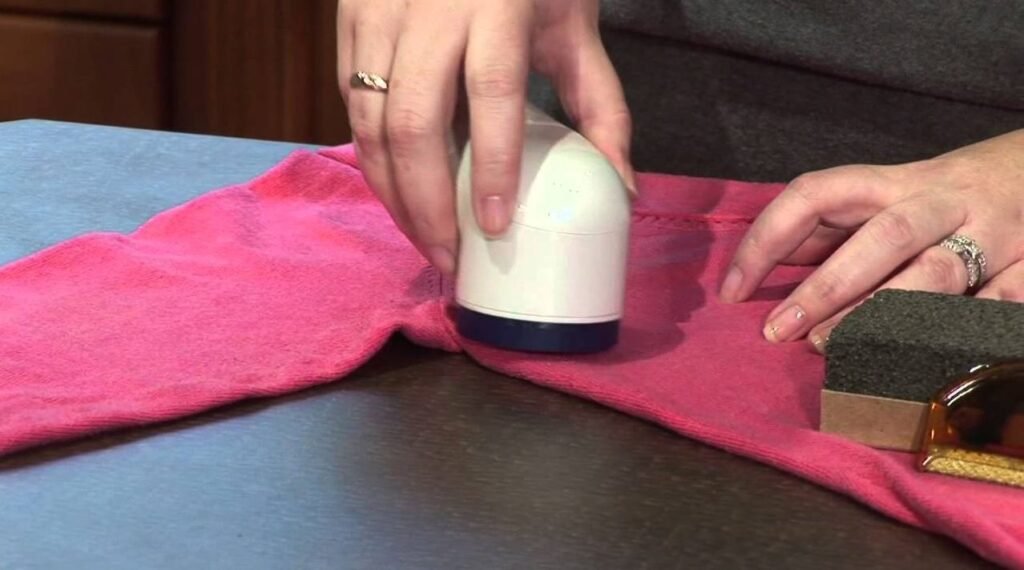
A sweater stone is an effective and simple tool for picking up pills and a particular fabric fuzziness from garments and fabrics. Typically created from pumice stone, it gently picks up medications from the top of any soft surface like sweaters, blankets and other textiles, while not harming the surface. Use it by gently rubbing it over the skin area in one direction it will retain lint and loose fibers easily. This technique is not only effective at making clothes appear brighter and cleaner, but can also make them look like new longer than they actually are. Sweater stones are cheap, washable types, disinfect the clothes easily, and can be stored at home easily for more frequent cleaning.
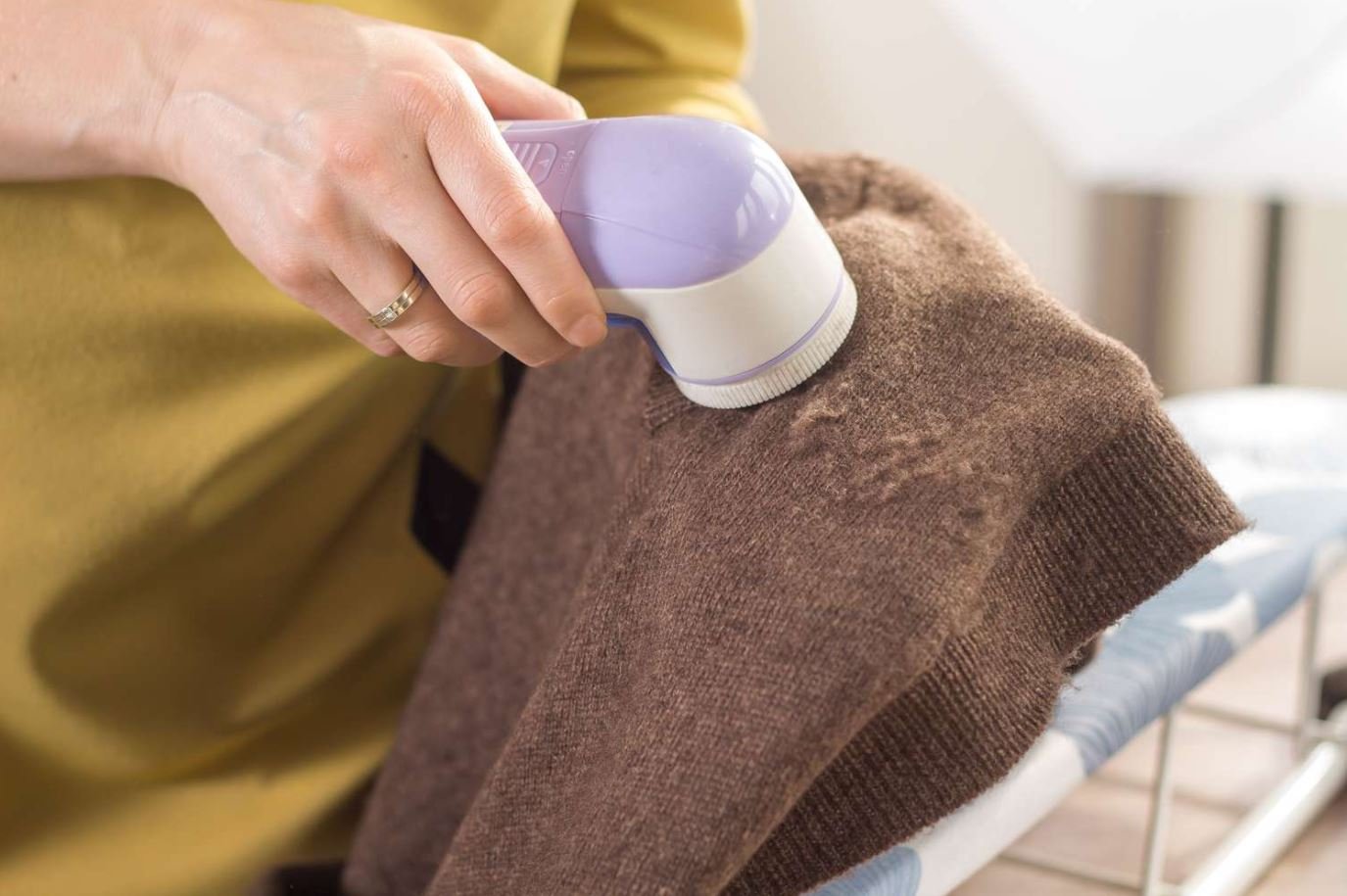
6. Fabric shaver
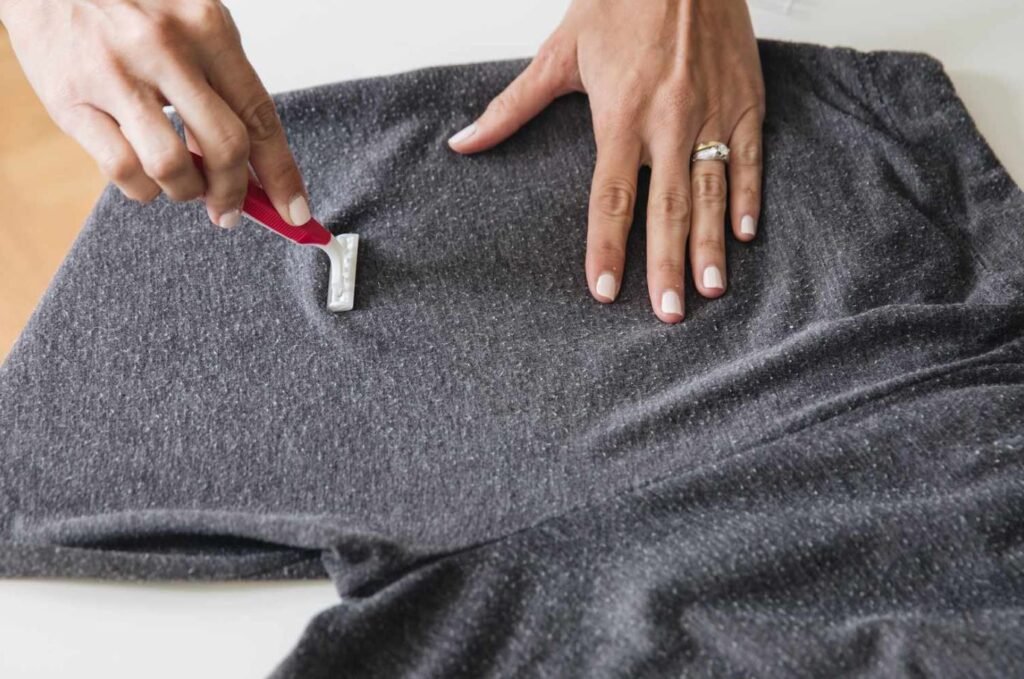
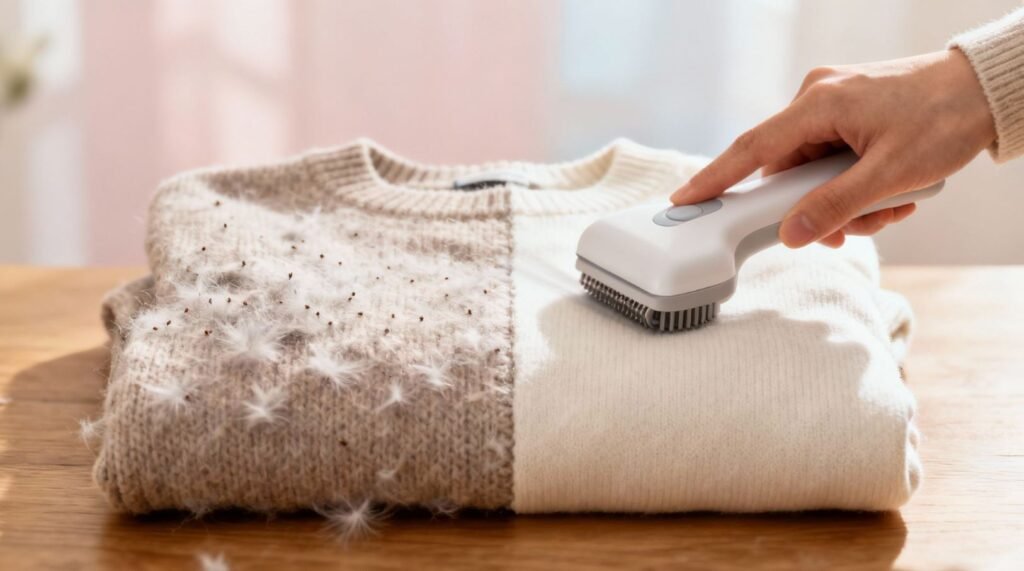
One of the fastest and most efficient ways to get rid of pilling on clothes and fabrics is with a battery-operated fabric shaver. It can be used effectively if your garment is placed on a flat, smooth surface, in order to keep the fabric stable during use. Switch on the fabric shaver and run it over the areas with the little circular movements. Avoid pressure because too much pressure can damage or cut the fabric, as well as taking away the pills. The shaver gently pulls away fringes and lint, chances are the clothes look better and are smoother. Can easily be applied to sweaters, blankets, scarves and other soft fabrics.
7. Fabric comb
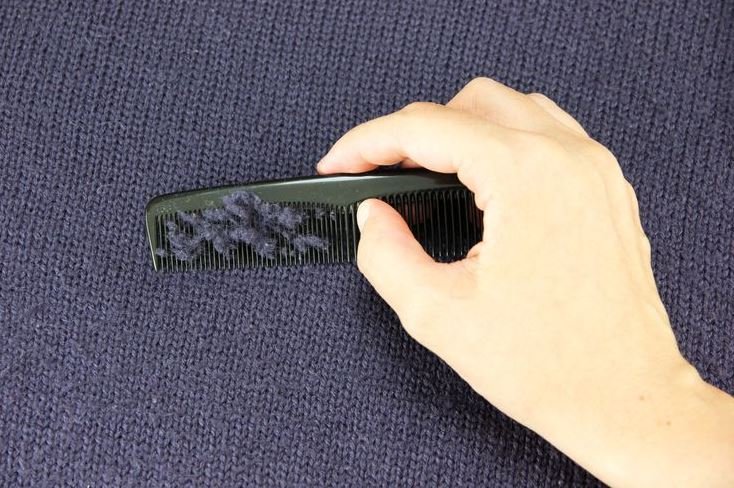
A fabric comb is great to wear for soft sweaters like merino wool, cashmere, and other soft knits. As opposed to electric lint removers, a comb for fabric is gentle enough not to wear or damage the fabric and eliminates fuzz, lint, and pills. While it takes a little longer, you’ll get a lot more control and not be as likely to snag or cut off any delicate fibers of your garment when you start combing. Usually, they will look good and soft while they last longer due to regular use. Fabric combs are also lightweight and reusable, easy to store and ideal for long term in-home garment care.
Read Next