A homemade clogging solution for unclogging a kitchen sink and hints on a healthy kitchen sink. Rather than turning in your phone and dialing a plumber to unclog your kitchen sink, which would cause the frustration and frustration, the delays and delays, and the extra work, you might be able to do it yourself! Now that you’re all in the washup, set the pile of dishes aside, and give these homemade zone suggestions a go.
Your house drains are capable of a lot! However, grease, hair, and other debris can accumulate and get clogged over time. Don’t call the plumber yet if you are having this problem. There are several basic DIY strategies to clean the clogged drains, which you can find in your hardware store or make at home. We consulted plumbing experts, who shared practical and effective tips on how to unclog a drain quickly and safely. Their advice includes simple preventive measures and easy DIY methods that can help homeowners clear blocked drains without causing damage to the plumbing system.
Table of Contents
How to Unclog a Drain
1. Use baking soda and vinegar
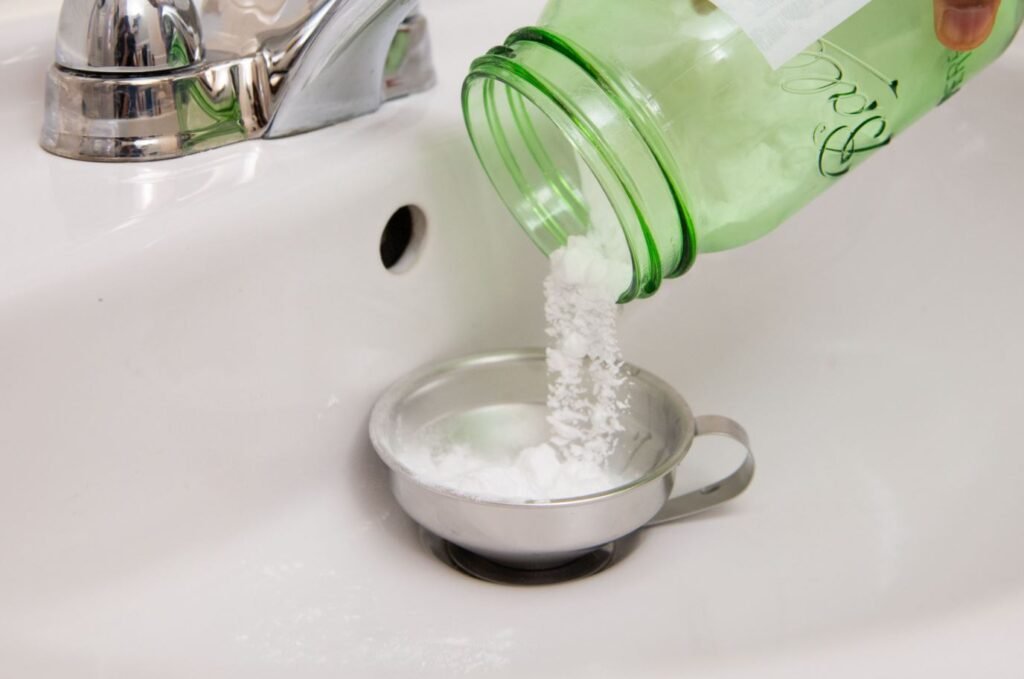
So why spend money on an expensive drain unblocker from the store when you may already have everything you need at home to learn how to unclog a drain quickly, naturally, and effectively? Baking soda and vinegar are things that many people may already have on hand, so if that is the case, then you can use them to formulate a great baking soda and vinegar drainage unclogging formula to eradicate any gunk, hair, or grime that exists in the drainage pipe.
You just need to half pour a third of a cup of vinegar into the drain, then add one-third of a cup of baking soda and stir until it starts foaming. Pour it down your clogged drain before it can fizz any more. Wait for an hour or longer (overnight if needed, if it is a significant blockage) and then flush with hot water. The blockage should have disappeared, but repeat the operation if you do have more problems.
2. Pour boiling water down the drain
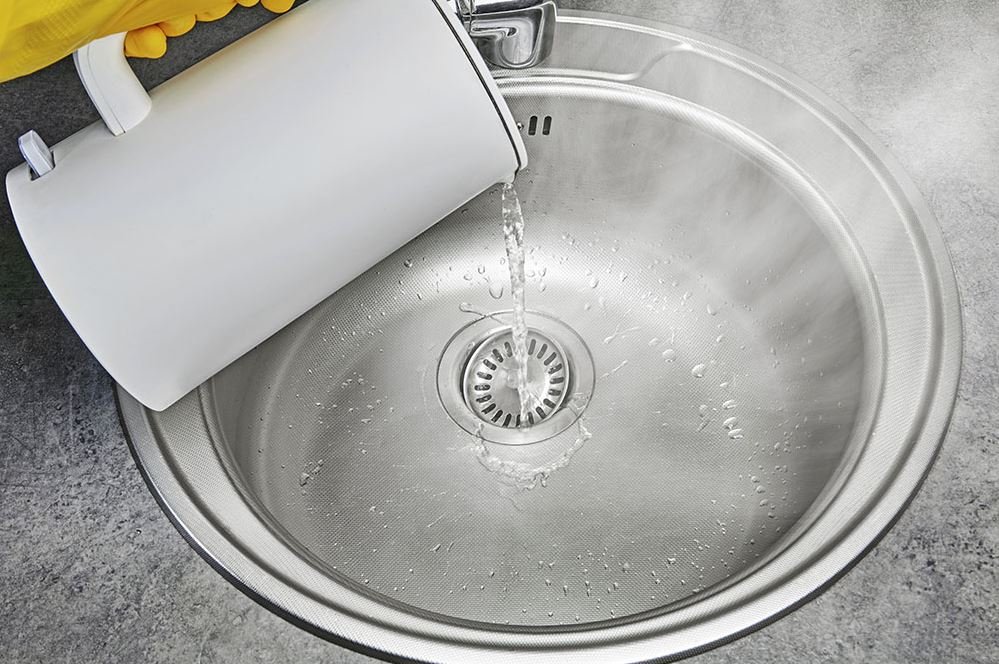
One of the easiest cleaning methods to maintain a kitchen sink to keep it clean and free of any hidden items is to ensure that it has hot water. Helps break up grease, flushing off any debris that can settle in near a drainage hole. Water can be boiled in a kettle and gently poured down the sink or be used straight from the tap for ease. If some water hardness has become an issue and causes unpleasant odors which can become worse over time, the hot water may be run for a few minutes. While it’s a basic cleaning method, regular use of hot water can help maintain a cleaner and smoother flowing sink drain.
3. Applying a Plunger
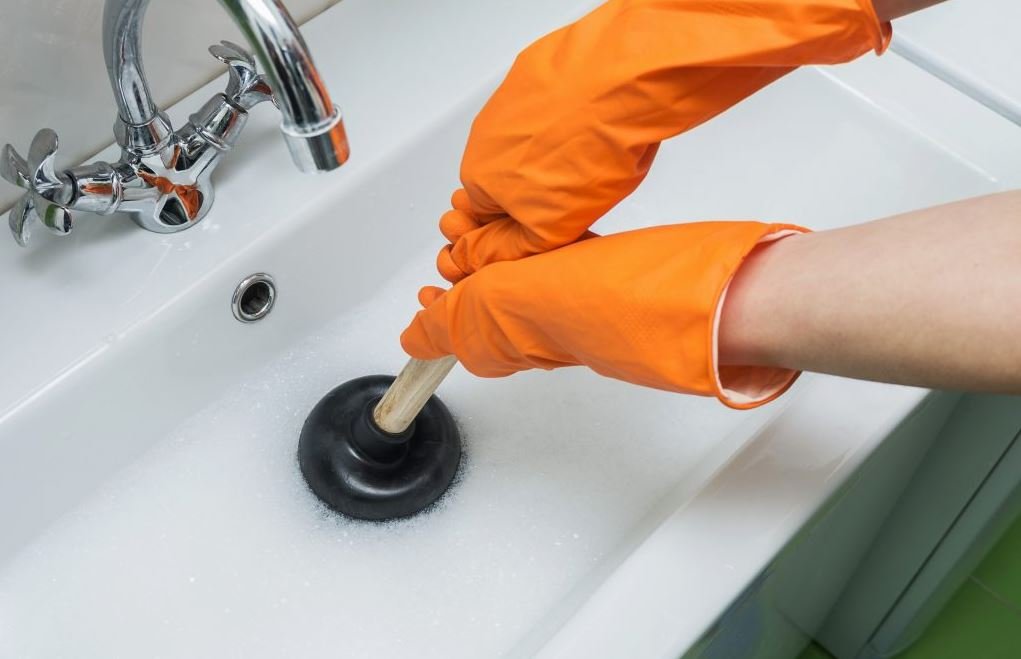
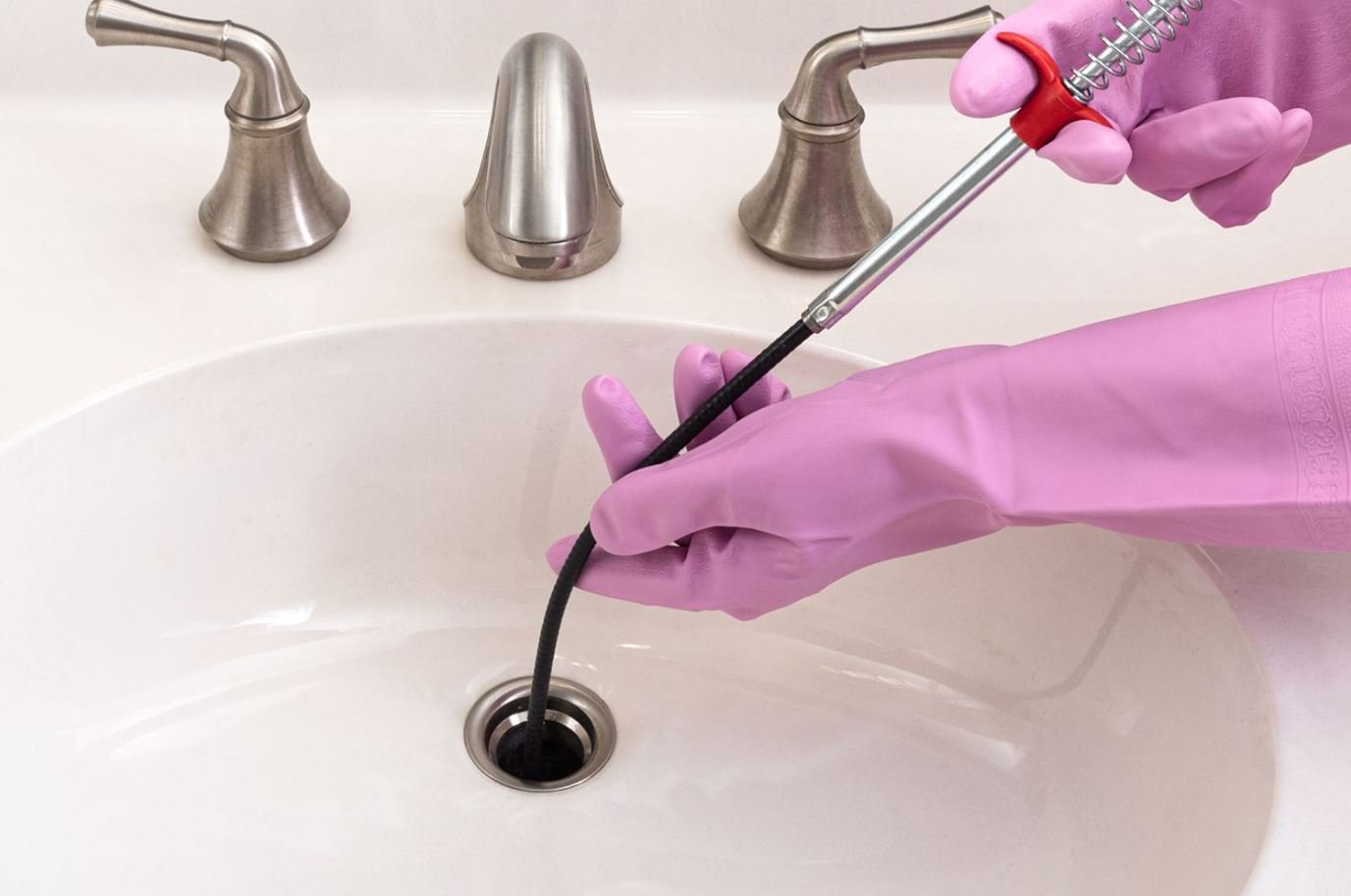
A plumbing snake is made to unclog toilet bungs, but it’s a handy tool to remove food from a drain pipe. The best type of plungers are “cup” plungers. A relatively cheap purchase at your local hardware store. If using a commercial product to clean and unclog a drain, be sure to plug the overflow drain of the sink.
Also, cork the second drain cover close to the clogged drain of double basin sinks. Place the plunger completely over the opening of the sink and half-fill the sink with water to cover the plunger. Using quick up-and-down motions, start plunging the sink, making sure the cup stays sealed onto the drain. Repeat plunges every 6 or so ones to determine if the sink is clear or not and continue until water flows clear.
4. Dish Washing Detergent
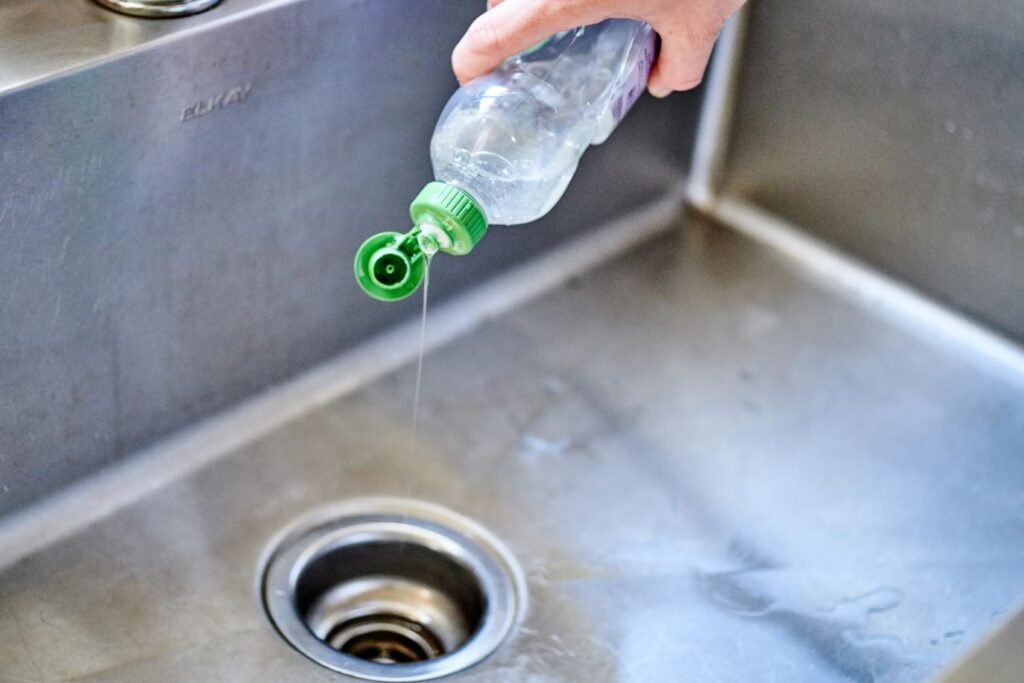
Hair easily plugs up the clogged drains of the shower. Toilets, it’s usually feces, too much or extra toilet paper, napkins, sanitary products for the female and cotton balls. All other waste products except human waste should be put in a garbage can. These areas present no issues since a dish detergent is an excellent, clean, absorbant and lubricating solution for the drain. Fill a wash-cup with dishwashing liquid and then add boiling water to the gutter. Pour a plunger into it to help unclog. Alternatively, mask off and tweeze it out with your hands (with rubber gloves on).
5. The wet & dry vacuum method
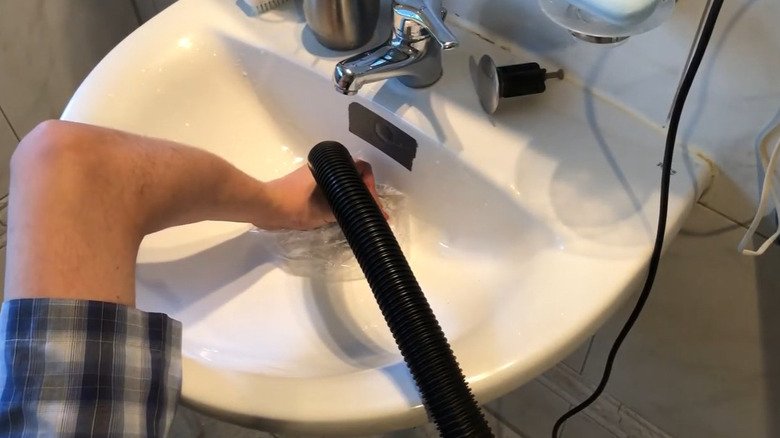
The wet and dry vacuum method is a strong sucking method that can be successfully used to unclog difficult drain obstructions. Start by setting your wet vacuum and dry vacuum to the wet setting to prevent them from harming liquids. Then position the hose directly above the drain hole and seal with an old plunger head, an old towel, or a rag. The seal is essential as it allows the maximum suction and increases the likelihood of the clog being removed. When all is in place, turn the vacuum up to full power and allow to operate for several minutes. The strong air current can suck out debris, hair or other materials that are causing the blockage.
6. Install a Screen
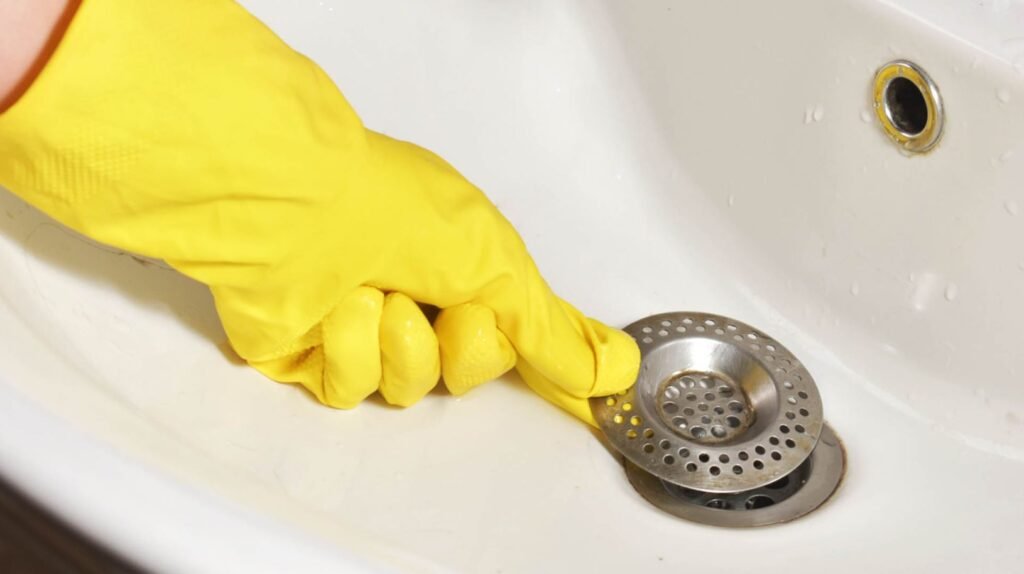
In the kitchen, screens will prevent food from entering the drains, and in the bathroom, they will prevent hair from entering the drains. Rinse dishes before disposing of as much food as you can after you have used a screen. Any leftover bits of food will not be dropped into the trash in the garbage. Installing a screen on your shower drains and bathroom sinks will prevent hair and soap scum from building up in your drains, clogging them.
7. Baking soda & salt
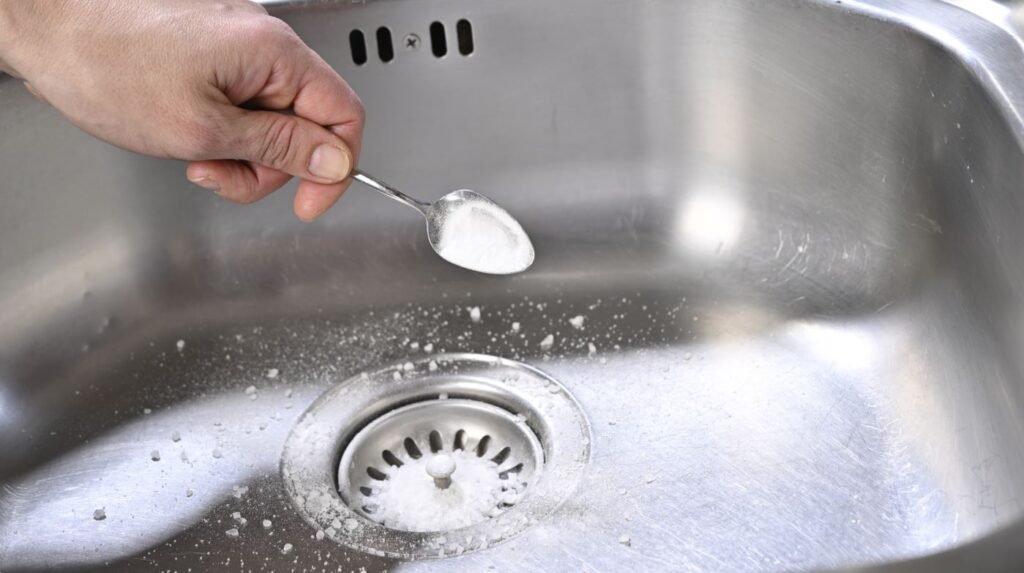
Make up a little baking soda and salt – Also very useful to avoid fizzing when removing the clogged drain. Fill the opening of the drain with 1 cup of baking soda and ½ cup of salt. Nature’s pipe cleaner and scrubber, which helps to clean pipes of grime, grease and build-up. Allow to stand in the drain for several hours or overnight for the best results. Wait, then thoroughly wash the clogged drain with hot water to get rid of debris and residue. If your drain has a clog or if it has a smell, repeat the steps a few times until it is clear and runs smoothly.
8. Remove the U-Bend
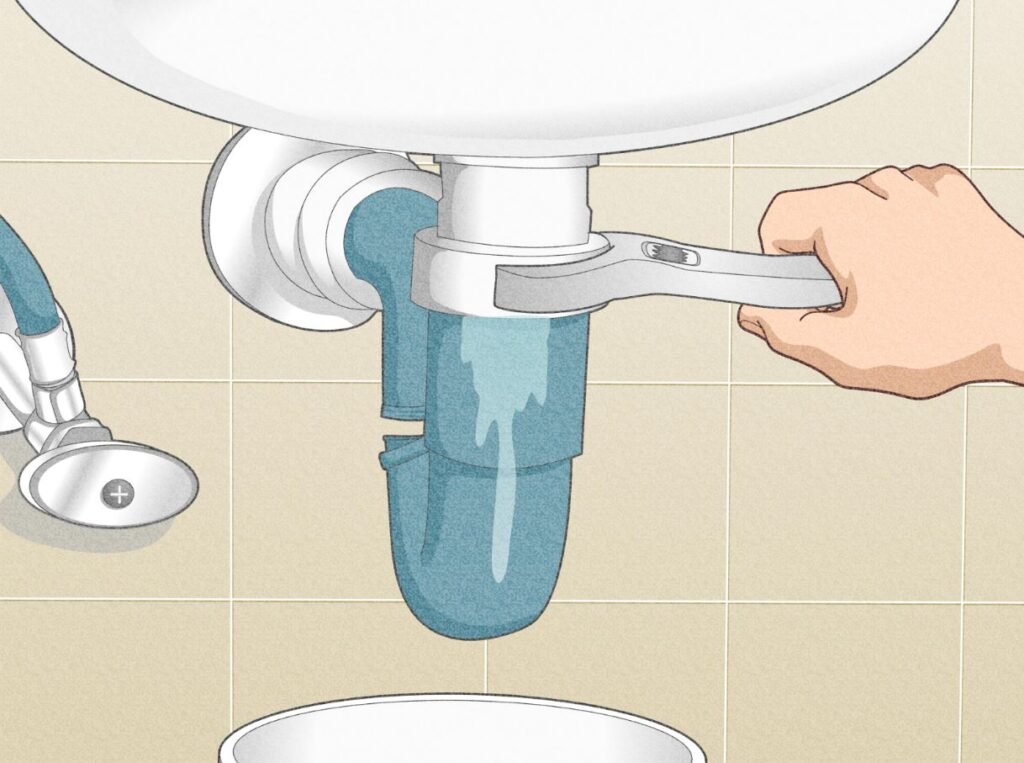
Hand cleaning the U-bend may cure a clogged drain if nothing else has worked so far. Use old towels and a bucket under the sink to collect dirty water. Please wear rubber gloves and find the u-bend – the bend in the pipe below the plughole. Use a wrench to slowly loosen and drain any remaining water from the pipe. Check for u-bend debris, using a wire hanger or other device, and remove the u-bend. Use warm water to wash/disinfect to remove odours and dirt. Hook the pipe up to its engineering, flush water and inspect thoroughly for any sign of leaking to make sure all parts are correctly connected.
9. Block overflow vents when plunging
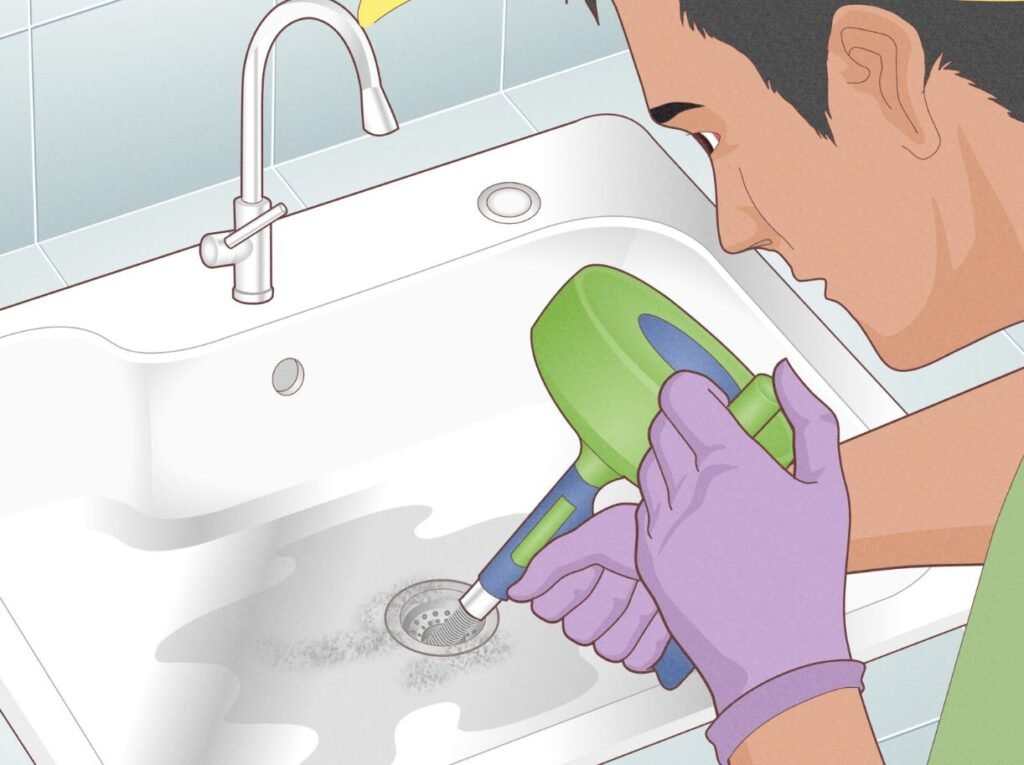
For pipe-cleaning equipment or plungers, be sure to put the overflow vent plug in the top of sinks, bathtubs or basins (the small holes near the top) whenever you use the item. The purpose of these openings is to keep water from flooding, but in the case of unclogging, it can be a means by which air and pressure escape.
It makes it really difficult to develop the high suction or pressure required for effective clearing if the overflow vent is left unguarded. The vent can be covered with a wet cloth, tape or one’s hand in the case of the plunger. The valve pipe needs to be properly covered which not only will provide better pressure but also increase efficiency in successfully and quickly removing stubborn clogs.
10. Hydro-Jetting Equipment
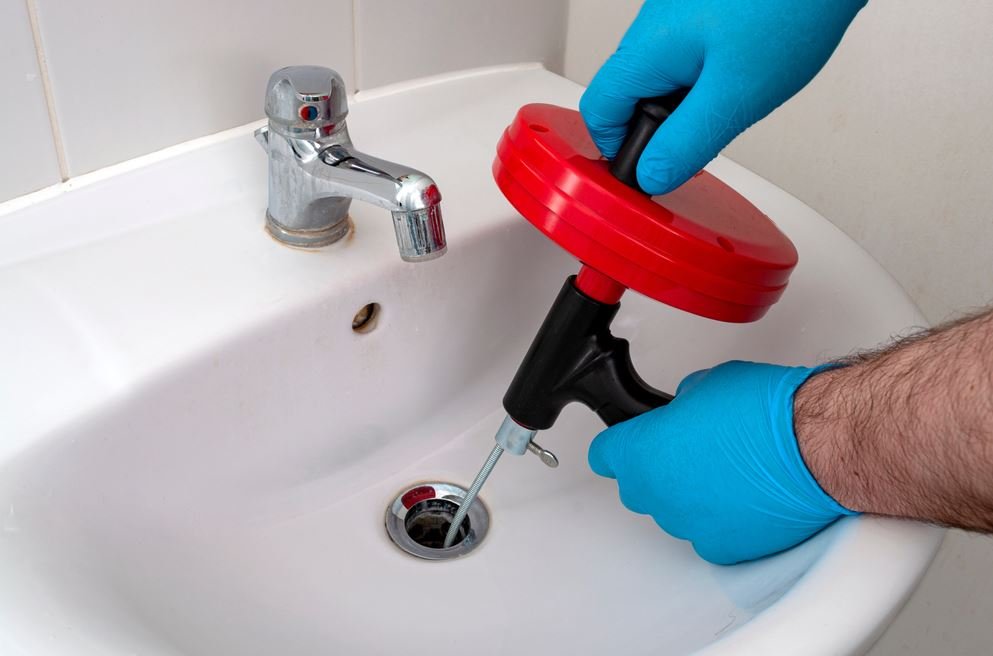
Another important technique employed by plumbers to unclog drains and ensure that the water has no trouble flowing is the use of hydro jetting. In this, a particular hose machine sprays very high-pressure water, commonly up to 1500 PSI, into the drain pipes. The crushing power of the water is able to effectively shunt grease, debris, tree roots and other obstructions accumulated in the pipe. Hydro jetting will not only clear the blockage, it will also clean the inside walls of the pipes, so another blockage will not occur in the future. This safe and efficient method assists in enhancing drainage efficiency and prolonging the durability of household or business plumbing systems.
11. Purge the P-Trap
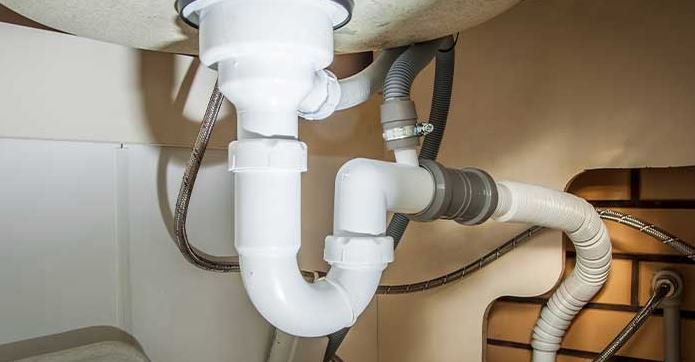
Sometimes, even the use of vinegar and baking soda to unclog drain doesn’t work, so you’ll have to remove the blockage from your drain. The good thing is you can do it yourself so you won’t have to pay for hiring professionals. The p-trap connects under your sink and can allow debris to build up, but prevents it from entering your home’s pipes. Set your bucket under your sink to collect any excess water and use a plier or wrench to remove the p-trap from under the sink, a U-shaped conduit. Empty the p-trap, wash and clean any debris in another sink.
12. Store-bought Chemical Drain Cleaner
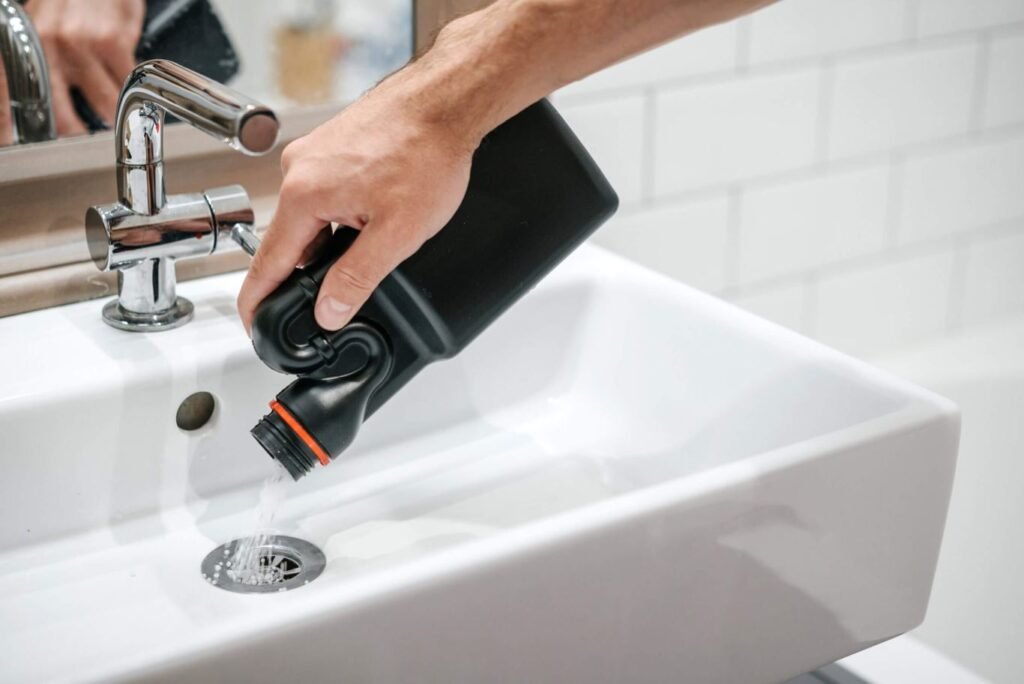
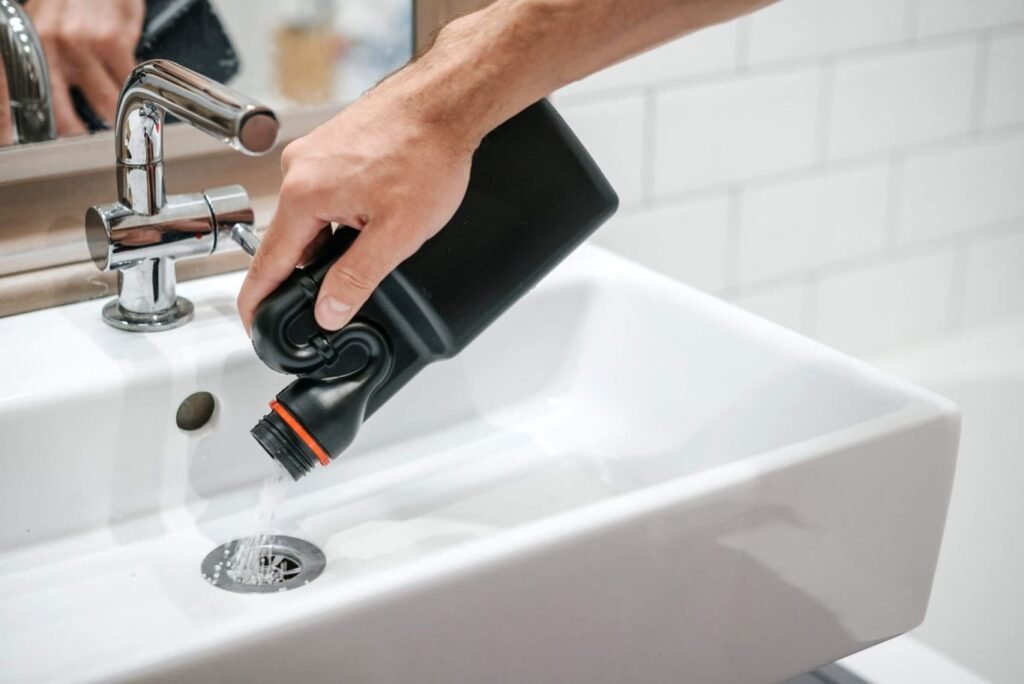
Chemical products available to help unclog a dull drains is one helpful approach, but some concerns should be taken into account. An internal blockage in the duct can be treated with some strong chemical medications designed to dissolve the blockage; however, if applied improperly, these medications can cause some damage.
These may involve wearing Personal Protective Equipment (PPE) like gloves and goggles and moving through a well-ventilated area, to avoid breathing in the fumes. Also, remember the damage that may be done by the chemicals used to clean the clogged drains to pipes, and to the environment. Another choice of drain cleaner is chemical; however, after using the chemical drain cleaner, hot water should be used to remove any residue.
13. Garburator
Check to make sure it’s not your garbage disposal that’s causing the problem. As much as a clogged drain, a clogged device can cause quite an amount of fuss. If there’s a little wrench that the manufacturer put with the flywheel, you can try using that to get it unstuck if it’s jammed.
Follow the manufacturer’s instructions about where to insert the tool and how to turn it. You can probably look up instructions online if you don’t have them on hand. Please, please unplug your device before dreaming of sticking your hand down there. But actually, instead of your hand, first use a flashlight to determine what’s causing the issue, and then use pliers or tongs to remove any items that have been caught.
14. Prevent future blogs
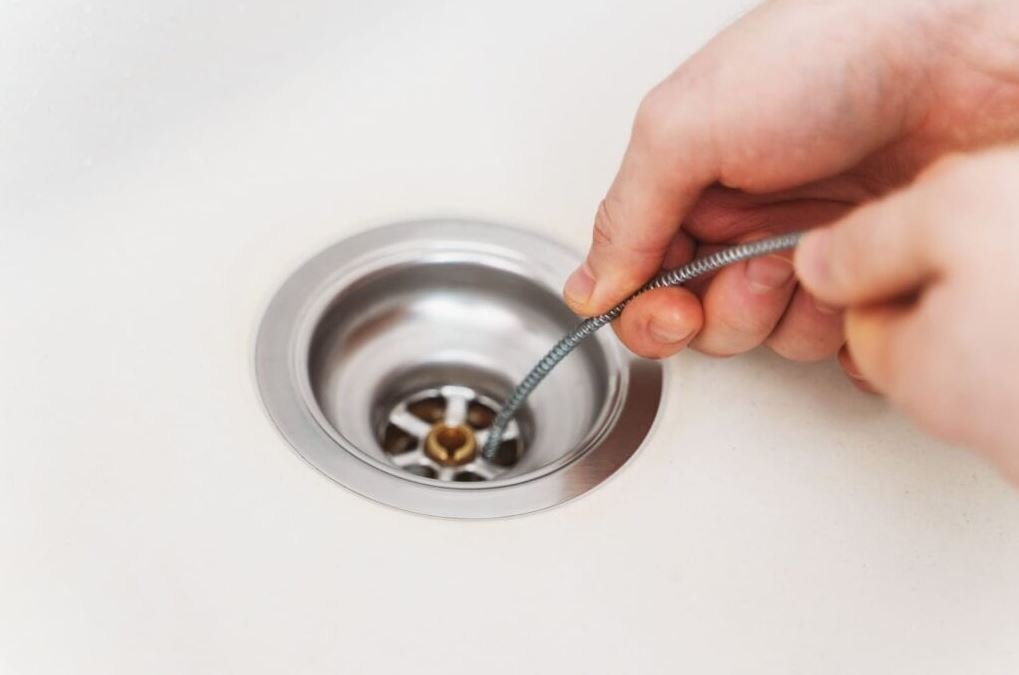
The less risk involved the more you can save in terms of cost, especially when the odors are so intense that they are intolerable during an emergency clean-up. You can maintain the uninterrupted functioning of the drainage system with some basic practices. Never put grease, oil or garbage clog in the kitchen sink and dispose of the waste properly.
Do not place paper towels or hygiene products in the toilet as they can easily clog the toilet. Be careful not to miss applying a cover for hair or debris to all clogged drains, such as sink and shower drains, that could allow debris or hair to flow in into the clogged drain. Make periodic hot water or vinegar/baking soda flush to minimise dirt accumulation. In addition, clean the clogged drains annually and detect any problems before they develop.
Read Next