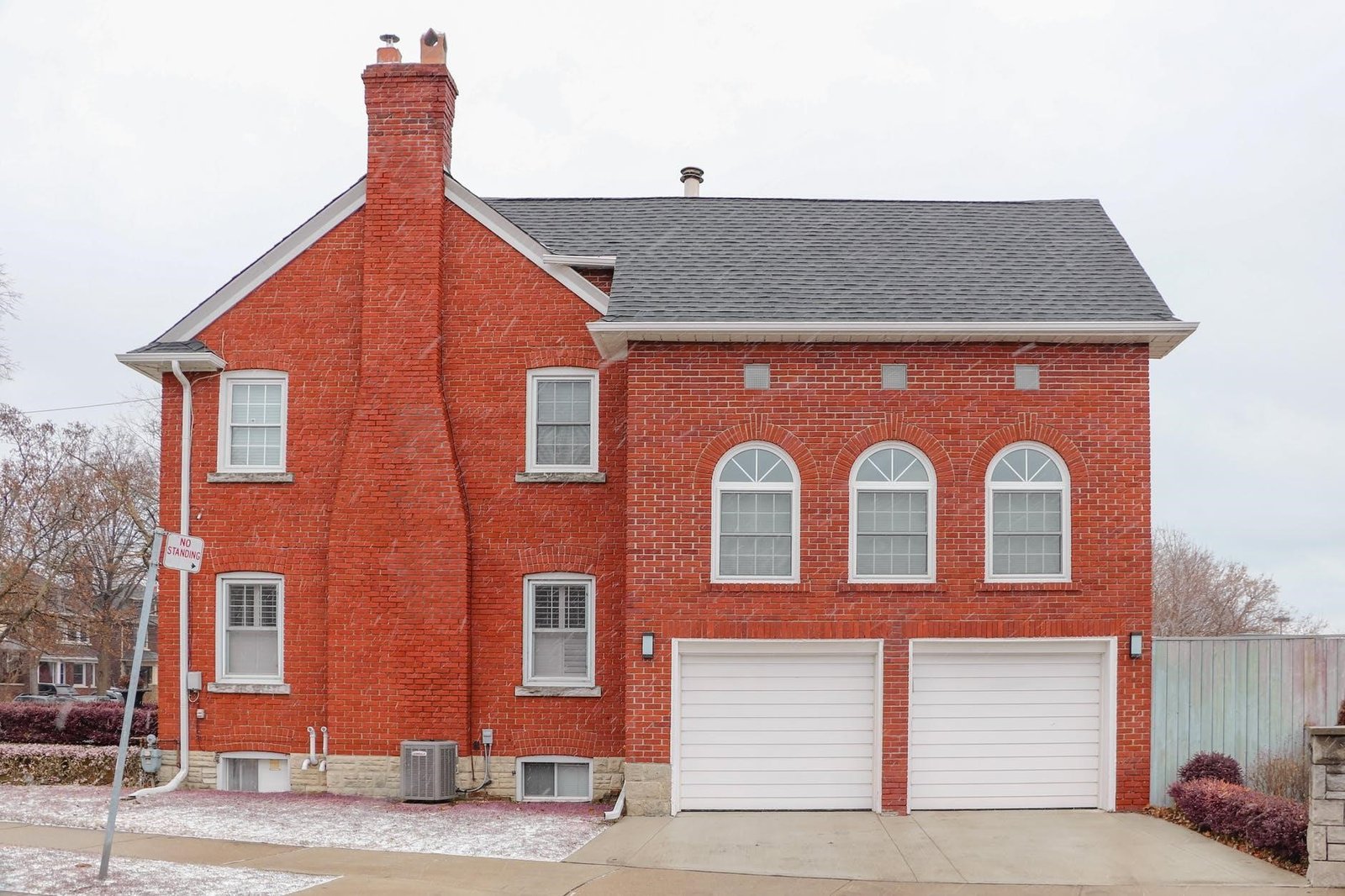
If you’re planning for residence outdoors layout and looking for a brief, simple, and cheaper way to update the arrival of your brick residence. Colored bricks are nonetheless certainly one of the largest house exterior design right now, and they’re famous due to their affordability and potential to alternate a location radically.
The coating on bricks may additionally absolutely regulate the arrival of your property and modernize its outdated appearance. Because in their difficult floor, which offers them a established and herbal appearance, even old bricks can be without difficulty rejuvenated with paint. It’s additionally a superb approach to conceal minor blemishes and splits on bricks.
Table of Contents
How to Prep Bricks for House Exterior Design and Paint
1. Clean the bricks
A flawlessly organized wall plays a important role in reaching a easy paint finish and improving the overall residence outdoors layout. Proper practise not simplest makes the painting system less difficult however additionally ensures a long lasting, lengthy-lasting texture that withstands climate conditions. Before beginning, very well clean the brick wall the usage of a gentle detergent combined with water to take away dirt, dirt, grease, and any lingering dirt. This step allows the paint adhere higher to the floor. After washing, rinse the wall cautiously to eliminate cleaning soap residue. Allow the wall to dry absolutely earlier than portray, as moisture can affect paint bonding and result in uneven finishes.
2. Fix holes
Painting a brick exterior does no longer require good sized guidance, but a few vital steps make certain a clean and lengthy-lasting end. Start by doing away with loose sand, dust, and cement debris the usage of a stiff scrubbing brush to clean the surface very well. Next, look at the wall cautiously and repair any visible holes or cracks with suitable filler or cement to create a fair base. Once upkeep are complete, lightly scratch or roughen the wall to help the paint adhere higher. After these steps, the brick floor becomes completely organized and geared up for coating, permitting the paint to bond properly and supply a neat, long lasting, and visually attractive end.
3. Apply primer
To assure that the finishing coat adheres, a thin preliminary coat of suitable masonry paint should be applied to new or exposed surfaces. After preparation, primers can be used on powdery or chalky surfaces. On new or exposed surfaces, avoid applying stabilizing primers. When changing the color of a brick wall radically, a second coat of primer is necessary to successfully block off dark brick color when painting with a lighter paint color. Use a roller or a paint spray to cover many bricks. Wear protective gear such as safety glasses, gloves, and a mask. Brushes are ideal for small portions. Complete a minimum of 24 hours for drying after applying first and second coatings.
4. Weather situation
When planning home exterior design, continuously don’t forget the weather earlier than painting. Painting bricks in immoderate cold or heat isn’t always best, and wind or rain can motive issues. Masonry without problems absorbs water if uncovered to moisture, that may lessen paint adhesion and bring about blisters, peeling, mould, or algae growth. High humidity, blended with alkalis and salts inside the masonry, also can trigger efflorescence, alkaline reactions, and staining. To make sure a long-lasting and faultless end, pick out dry, slight climate for portray and defend saved substances from rain or dampness. Proper timing and situations are key to a long lasting exterior design.
5. Water damage protection
Before painting on bricks, search for evidence of flood damage such as wet areas, mold, and peeling paint, and treat the source of the problem before allowing the walls to dry completely. Water can be trapped in the wall system if the paint is applied to moist brickwork. It can result in peeling paint, thin cracks, and more water penetration. Water can freely flow through the walls, causing significant damage.
Experienced painters understand that treating partitions nicely is fundamental to lengthy-lasting consequences and a healthy domestic. They use specialised answers designed to permit moisture within the partitions to evaporate obviously into the surroundings, keeping the wall’s breathability.
Unlike traditional products, which can restrict air flow and attract moisture, these answers help prevent common problems like paint peeling, mold growth and structural damage. At the same time, they also form a protective barrier that prevents rainwater and external moisture from entering the walls. This ensures that the masonry remains dry, strong and visually appealing, while also preserving the overall integrity and longevity of the building.
6. Tools and items
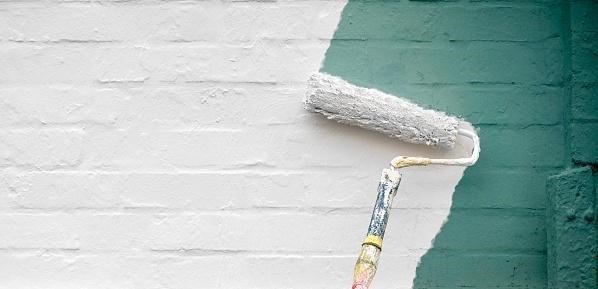
Your workflow will be easy and smooth when you have an appropriate gear, just like any other activity. Make certain you have a sprayer or roller able to overlaying a vast region quickly. A sprayer is suggested. It cuts down on hard work time, makes it less complicated to reach all joints, and makes matters simpler in standard. However, spray from all sides to make certain that the paint reaches every corner of the wall. The crucial tools are indexed underneath.
- Liquid detergent
- Paintbrush
- Paint roller
- Painter tape
- Bricks primer
- Wire brush
- Metal brush
- Drop cloths
- Electronic moisture meter
7. Alkalinity
Before portray masonry, it’s critical to recall its alkalinity. While bricks themselves are typically impartial, the cement used to lay them consists of alkalis—mineral nutrient salts which can react with positive paints. Oil-primarily based paints are especially prone to loose alkalis, which could trigger a technique called saponification, inflicting the paint to interrupt down, bubble, or fall apart over time. To prevent this and make certain a long-lasting finish, it’s quite endorsed to apply an alkali-resistant primer earlier than painting. This defensive layer neutralizes the impact of alkalis, supporting your paint adhere nicely and maintaining the appearance and durability of the masonry floor.
8. Choose a suitable color.
Bricks are popular amongst architects who want to create a antique or rustic look. Brick exterior partitions can also make homes and houses hotter and homier, and bare brick partitions are usually acceptable for homes, eating places, and shops.
The colour and shape of the brick can extensively effect residence exterior design because of the atmosphere it generates. Brown bricks look extra natural and rustic, whereas white bricks appearance exceptional in minimalist designs. Red, white, beige, brown, orange, grey, or black are popular brick colours, and they arrive in a variety of patterns and trims.
READ NEXT: 5 ECO-FRIENDLY LANDSCAPING IDEAS YOU SHOULD KNOW
RELATED TOPICS: house exterior design