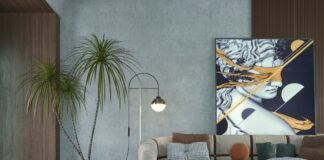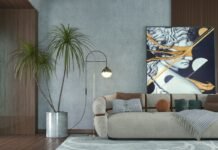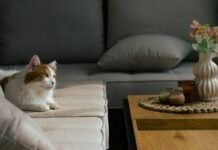
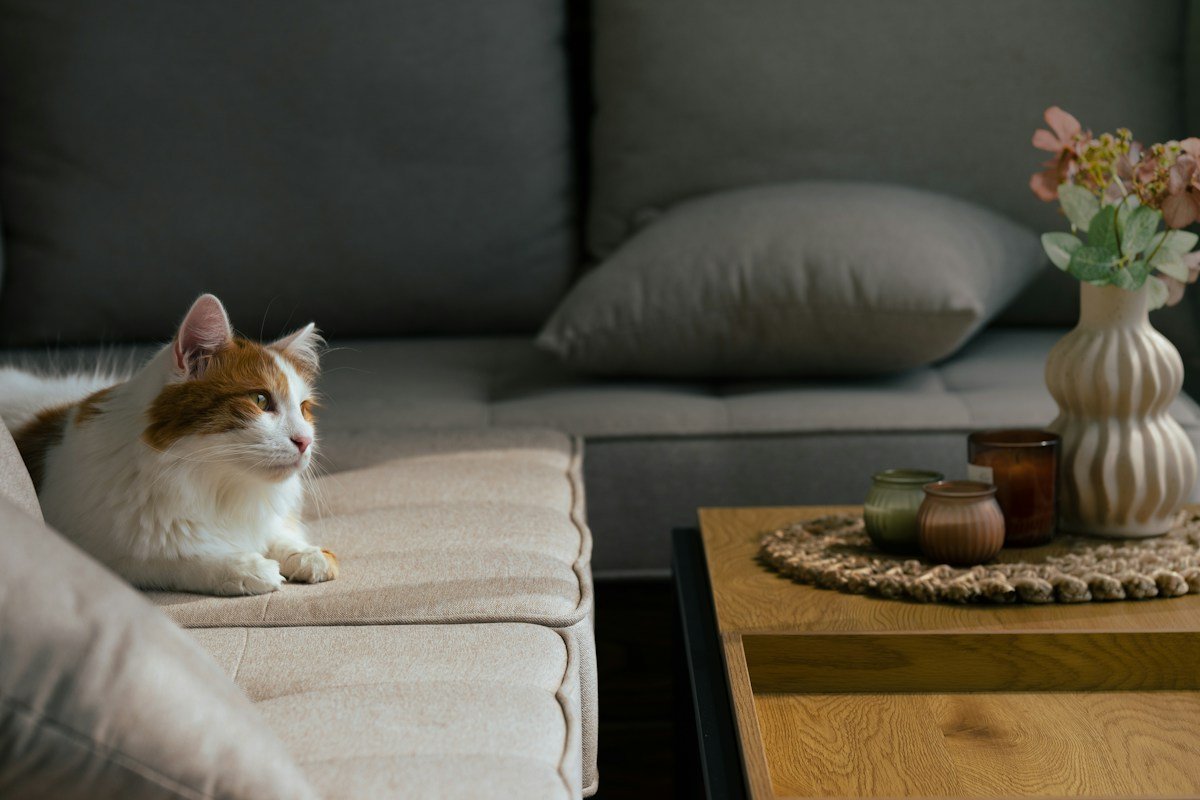
The modern family living room is no longer an untouchable, museum-like parlor reserved exclusively for formal holiday gatherings. In contemporary homes, the living room serves as the dynamic epicentre of daily domestic reality: a bustling shared terrain where energetic children build fortresses, muddy dogs leap after backyard romps, curious cats knead cushions with sharp claws, and parents unwind with evening glasses of cabernet sauvignon. In this high-intensity environment, the central sofa takes on a heroic responsibility. It is simultaneously a lounging sanctuary, a playground fixture, a movie theater seat, and an architectural anchor that defines the visual character of the entire home.
Yet for generations of homeowners, shopping for an upholstered sofa forced an agonizing aesthetic compromise. Traditional decorating logic dictated a cruel choice: either invest in a delicate, high-end natural fabric like Belgian linen, silk velvet, or loose-weave cotton that looked breathtaking on showroom floors but succumbed permanently to pet claw snags, spilled grape juice, and body oils within six months; or surrender to stiff, plasticized vinyl and coarse commercial nylons that resembled airport waiting room benches. Choosing between sophisticated interior elegance and real-world durability felt like an impossible dilemma.
The emergence of advanced residential performance fabrics has completely dismantled this historical trade-off. Engineering breakthroughs in synthetic polymer science, molecular extrusion dyeing, microscopic liquid-repellent barriers, and high-density micro-weaving have created a new generation of luxury textiles. These modern performance fabrics deliver the velvety softness, rich visual depth, and supple drape of luxury designer linens, while possessing industrial-grade abrasion resistance, puncture immunity, stain release chemistry, and antimicrobial defense. Whether facing muddy paws, spilled tomato sauce, or relentless afternoon sunlight, high-performance upholstery allows active families and pet lovers to enjoy pristine, design-forward living rooms without constant anxiety.
Selecting and specifying a high-performance sofa requires looking far beyond retail marketing buzzwords and investigating deep technical standards established by the American Society for Testing and Materials, textile chemistry directives from the American Association of Textile Chemists and Colorists, safe chemical screening protocols from the United States Environmental Protection Agency, interior ergonomic principles from the American Society of Interior Designers, pet-friendly living standards from the Humane Society of the United States, and non-toxic ecological certifications from OEKO-TEX Association. This comprehensive engineering and styling manual provides an exhaustive examination of textile polymers, abrasion rub metrics, claw-resistant weave geometry, non-toxic stain resistance chemistry, frame joinery, cushion core thermodynamics, and daily maintenance rituals.
Textile Polymer Chemistry: Olefin vs Solution-Dyed Acrylic vs Polyester Microfiber vs Crypton
To understand why performance fabrics perform miraculous feats in everyday living rooms, one must evaluate the raw synthetic and semi-synthetic polymers extruded to create their yarns. Traditional upholstery fabrics rely on natural staple fibers like short-staple cotton, flax linen, or rayon. Under a microscope, natural fibers have irregular, porous surfaces with hollow internal lumens that naturally suck up liquids and airborne moisture through capillary action. Synthetic performance polymers, conversely, are engineered at the molecular level with non-porous molecular chains that inherently resist fluid absorption.
Olefin (Polypropylene) represents one of the most chemically resilient and eco-efficient performance fibers in existence. Polypropylene is synthesized from propylene gas monomers, resulting in a crystalline polymer chain with zero open dye receptor sites. Because olefin molecules contain no polar hydroxyl groups, the fiber has an extraordinary moisture absorption rate of less than 0.1 percent: practically zero. Liquid spills cannot penetrate the polymer matrix; they simply sit on the fiber exterior. Furthermore, olefin boasts the lowest specific gravity of any commercial textile fiber, making it remarkably lightweight yet fiercely resistant to chemical abrasion, mildew, and chlorine bleaching. It is naturally stain resistant without requiring chemical additives, making it exceptionally safe for children and pets who rest their faces directly on cushions.
Solution-Dyed Acrylics (popularized by brands such as Sunbrella and Outdura) represent the gold standard for ultraviolet stability and colorfastness. In conventional textile manufacturing, raw white yarns are woven into fabric and then dipped into dye vats (piece-dyeing), leaving color pigment clinging only to the outer skin of the yarn: like a red radish with a white center. When subjected to intense window sunlight or aggressive spot scrubbing, piece-dyed fabrics fade rapidly and show bleached wear patches. Solution dyeing introduces pure liquid pigment into the molten polymer bath before the liquid acrylic is extruded through micro-spinneret nozzles into filament yarns. The color is permanently locked throughout the entire cross-section of the fiber: like a carrot that is solid orange all the way through to its core. Solution-dyed acrylics can endure thousands of hours of direct south-facing sunlight without fading and can be cleaned safely with diluted chlorine bleach solutions without losing a single shade of color.
Polyester Microfiber and Micro-Velvet represent the premier choice for tactile luxury, warmth, and claw snag immunity. High-grade performance polyester utilizes ultra-fine micro-filaments measuring less than one denier: finer than a single strand of human silk. These billions of microscopic fibers are woven with astonishing mechanical density and sheared to create a dense, velvety nap. Because there are no loose horizontal or vertical loops, pet claws cannot catch or pull threads. Premium polyester micro-velvets achieve rub test scores exceeding one hundred thousand double rubs while providing a velvety hand feel that rivals silk velvet, making them an absolute favorite for cozy family cinema lounges.
Crypton Home and Nanotechnology Engineered Textiles represent engineered multi-barrier textile systems. Crypton is not merely a fiber type; it is a proprietary, patented manufacturing process applied to woven fabrics (which can be blends of cotton, linen, and polyester). Crypton encapsulates every individual fiber in an invisible, breathable stain-resistant shield that repels both water-based spills (juice, wine, coffee) and oil-based soils (pizza grease, pet skin sebum, skin lotions). Crucially, Crypton integrates a permanent, breathable moisture-barrier backing laminated to the reverse side of the fabric. This barrier prevents liquids, pet urine, or spilled milk from soaking through the upholstery into the underlying polyurethane foam cushion core, preventing permanent deep-core odors and bacterial colonies.
Abrasion Testing Metrics: Wyzenbeek Double Rubs vs Martindale Cycles
When shopping for a family sofa, retail specification tags frequently boast numbers such as “30,000 double rubs” or “100,000 rubs.” Understanding the standardized scientific testing methodologies behind these numbers is vital for determining whether a fabric can survive a decade of rambunctious children and jumping dogs or whether it will wear bald within eighteen months.
The Wyzenbeek Test (governed by ASTM D4157: Standard Test Method for Abrasion Resistance of Textile Fabrics) is the primary mechanical abrasion standard utilized across North America. In this test, a swatch of the upholstery fabric is stretched taut across a curved mechanical bed. A mechanized oscillating arm fitted with a piece of heavy cotton duck canvas (or an abrasive wire mesh screen) rubs back and forth across the fabric in a bidirectional motion under calibrated spring tension. One complete back-and-forth stroke constitutes one “double rub.” The machine operates continuously until two yarns break or noticeable surface wear occurs.
In residential furniture standards, a rating of 15,000 double rubs is classified as “light residential” (suitable only for occasional guest bedroom chairs). A rating of 25,000 to 30,000 double rubs qualifies as “heavy-duty residential.” However, for homes with multiple active children, large dogs, and daily multi-hour living room use, interior designers strictly specify “commercial / heavy-contract grade” performance fabrics rated at 50,000 to 100,000+ Wyzenbeek double rubs. A sofa upholstered in 100,000 double rub fabric can withstand children sliding across cushions with denim jeans, metal zipper friction, and dogs scrambling onto seats daily for over fifteen years without fiber failure.
The Martindale Test (governed by ASTM D4966 and ISO 12947) is the dominant international abrasion standard used across the United Kingdom, Europe, and Australia. The Martindale machine uses an entirely different mechanical motion: the test fabric is rubbed in an oscillating figure-eight elliptical pattern (a Lissajous pattern) against a standardized worsted wool abradant cloth under controlled pneumatic pressure. This multidirectional elliptical friction simulates real-world body movement, shifting weight, and twisting hips more dynamically than linear back-and-forth rubs.
Martindale scores are expressed in total cycles: 20,000 cycles represents general domestic use, 30,000 cycles represents heavy domestic use, and 40,000+ cycles qualifies as commercial heavy-duty contract upholstery. While there is no exact mathematical formula to convert Wyzenbeek double rubs to Martindale cycles due to the difference between linear oscillating friction and figure-eight elliptical rubbing, as a rule of thumb, a 30,000 Wyzenbeek rating roughly corresponds to 40,000 Martindale cycles. When reviewing specifications, verify that testing was conducted using standard cotton abradant rather than wire mesh, as wire mesh tests can distort results.
Pet Dynamics: Claw Snag Mechanics, Tight Weaves vs Loose Boucle, Seam Slippage
Living harmoniously with domestic pets requires analyzing the physical mechanics of animal behavior. Dogs and cats interact with upholstered furniture in fundamentally different ways, and choosing the wrong textile structure will lead to heartbreak within weeks, regardless of how much money you spend.
Cat clawing represents a combination of territorial scent marking, emotional stretching, and nail sheath shedding. When a cat scratches furniture, its curved, razor-sharp claws seek out horizontal or vertical texture where they can latch on, pull, and generate resistance. Loose, textured weaves: such as coarse linen blends, chunky tweed, loose chenille, and trendy textured boucle: are absolute cat magnets. The open gaps between the warp and weft yarns allow claws to hook deep into individual threads. When the cat pulls, the threads are yanked upward, creating unsightly, fuzzy pulled loops (thread snagging) that cannot be pushed back into the weave. Within weeks, the arms and lower skirts of a boucle sofa look completely shredded.
To defeat cat claws, interior architects specify ultra-tight, smooth flatweaves or pile fabrics with zero catchable loops. Smooth performance velvets, micro-velvets, and tightly calendered twills present a continuous, frictionless surface to feline claws. When a cat attempts to scratch a high-density micro-velvet, its claws simply slide harmlessly off the smooth pile without finding purchase. Because the cat receives zero tactile traction or satisfaction, it quickly abandons the sofa and returns to its designated sisal scratching post.
Dog dynamics involve blunt claw friction, heavy jumping impacts, and shed hair entanglement. When a sixty-pound Golden Retriever or energetic Labrador leaps onto a sofa, its blunt nails exert immense localized puncture and lateral scraping forces. On loosely woven fabrics, dog nails penetrate between yarns, stretching the weave apart. Furthermore, short, stiff dog hairs (such as those shed by Dalmatians, French Bulldogs, or Pugs) act like microscopic barbed spears: penetrating the open pores of loose-weave fabrics and weaving themselves permanently into the textile backing, where vacuum cleaners cannot dislodge them.
Seam slippage (governed by ASTM D434) represents another critical pet hazard. When a dog lands heavily on a cushion seam, the tension pulls the stitched seam outward. If the fabric has low seam slippage resistance, the individual yarns slide apart adjacent to the stitching line, creating visible gaping holes along cushion borders where raw stuffing peeks through. Superior pet-friendly sofas utilize fabrics with high seam slippage ratings (minimum 40 to 50 pounds of pull force) and feature reinforced double-topstitched or French-welted seams sewn with heavy-duty bonded nylon or polyester threading.
Stain Chemistry and Environmental Safety: PFAS-Free C0 Finishes vs Fluorochemicals
The historical dark secret of stain-resistant textiles was per- and polyfluoroalkyl substances, universally known as PFAS or “forever chemicals.” For over four decades, stain-repellent coatings (including early iterations of Scotchgard and Teflon) relied on long-chain fluorochemicals (C8 chemistry). These compounds bonded fluorine atoms to carbon backbones, creating an impenetrable chemical barrier that repelled both water and oils. However, toxicological research confirmed that PFAS chemicals do not break down in the environment, bioaccumulate in human and animal bloodstreams, and are linked to severe health issues.
Today, the furniture industry is undergoing a massive, health-conscious transformation driven by stringent state and federal environmental safety regulations and independent non-toxic consumer certifications. Conscientious homeowners must ensure that their performance fabric sofas utilize modern C0 (PFAS-free) non-fluorinated water repellency technologies.
Modern C0 hydrophobic finishes utilize advanced bio-based hydrocarbon waxes, modified silicones, and ceramic dendrimer nanotechnology. These finishes lower the surface energy of individual textile fibers below the surface tension of water. When water, wine, soda, or tea spills onto the fabric, the liquid cannot wet the surface; instead, cohesive forces pull the liquid into tight, spherical beads that float harmlessly on top of the fabric plane, allowing them to be wiped away cleanly with a dry cloth.
When evaluating stain-resistant sofas for family safety, always demand verification of independent health certifications. Look for the OEKO-TEX Standard 100 certification, which rigorously tests every component of the textile: from raw threads and dyes to zipper teeth and sewing thread: ensuring complete freedom from over three hundred harmful substances, heavy metals, formaldehyde, and phthalates. Additionally, look for GREENGUARD Gold certification, which confirms that the upholstered furniture emits ultra-low volatile organic compounds (VOCs), ensuring healthy, non-toxic indoor air quality for crawling toddlers and sleeping pets.
Cushion Core Thermodynamics: High-Resiliency Polyurethane, Pocket Coils, and Dacron Wrapping
A performance fabric exterior is only as good as the internal cushion core beneath it. Far too many homeowners focus exclusively on fabric swatch cards, only to discover two years later that their gorgeous sofa cushions have sagged into unsupportive, hollow craters that cause chronic lower back pain. In active family homes, cushions endure thousands of hours of body compression, jumping impacts, and weight shifting.
The foundation of long-term cushion durability is High-Resiliency (HR) polyurethane foam. Foam quality is defined not by firmness, but by Foam Density (measured in pounds per cubic foot). Cheap, commercial budget sofas utilize low-density foam rated at 1.5 to 1.8 pounds per cubic foot. While low-density foam may feel pleasantly firm on day one, its cellular structure breaks down rapidly under family use, losing twenty to thirty percent of its volume and height within twenty-four months.
High-Resiliency foam specified for luxury family living rooms must feature a minimum core density of 2.4 to 2.8 pounds per cubic foot, paired with an Indentation Force Deflection (IFD) rating of 30 to 36 (indicating medium-firm ergonomic support). High-resiliency foam contains an open, non-uniform cell matrix that responds dynamically to human weight: cushioning surface pressure points while providing deep, buoyant pushback support. High-resiliency foam retains its original shape, loft, and structural elasticity for twelve to fifteen years of daily family punishment.
For ultimate generational longevity, architects specify hybrid Innerspring Pocket Coil Cushion Cores. In this construction, a matrix of individually wrapped steel coil springs (identical to miniature luxury mattress coils) is embedded in the center of the cushion, encased in high-density foam side rails, and capped with high-resiliency foam toppers. The steel springs provide independent kinetic support, zero lateral motion transfer, and permanent structural loft that will never crush down, even under the heaviest family members.
Surrounding the high-density foam or spring core is a thick wrap of thermally bonded Dacron polyester fiber (typically 1.5 to 2.5 ounces per square yard). The Dacron batting softens the sharp geometric edges of the foam core, creates an inviting, plump crown on the cushion seat, and provides a smooth, frictionless buffer layer between the foam and the outer fabric. This fiber wrap allows the performance upholstery to flex and glide during sitting without binding or bunching.
Down and feather-blend cushions: while undeniably luxurious: are generally ill-advised for homes with active pets and children. Down cushions require constant, labor-intensive daily fluffing to maintain their shape, and wet pet paws or spilled drinks can soak into the natural goose down, causing clumping, mildew odors, and quills poking through fabrics. If the cloud-like softness of down is desired, opt for high-resiliency foam cores wrapped in down-alternative channel-quilted fiber jackets.
Sofa Frame Joinery and Suspension Mechanics: Kiln-Dried Hardwood vs Sinuous Springs
Beneath the cushions and fabric lies the sofa’s structural skeleton. An active family living room sofa must withstand violent kinetic stresses: children jumping off armrests, teenagers collapsing onto seats, and heavy dogs landing at full speed. A weak frame will creak, warp, and snap within a few short years.
The structural benchmark for framing is 100 percent Kiln-Dried Hardwood: typically sustainably harvested North American Alder, Maple, Oak, or Ash measuring a minimum of 1.25 inches in thickness. Kiln-drying is an essential industrial curing process where green timber is placed inside high-temperature, humidity-controlled kilns for several weeks to reduce wood moisture content down to six to eight percent. This curing process eliminates sap, kills insect larvae, and permanently prevents the wood from warping, twisting, splitting, or expanding across seasonal humidity swings.
Never accept sofas constructed from engineered particle board, orient-strand board (OSB), or cheap softwoods like yellow pine. Fasteners pull out of particle board under dynamic stress, leading to collapsed armrests. Furthermore, inspect the frame joinery. High-performance frames utilize traditional wood joinery: mortise-and-tenon joints, heavy wooden corner blocks screwed and glued at every structural stress point, and double-dowelled joints. A frame secured merely with wire staples and basic hot glue is destined for the landfill.
The seating suspension system absorbs eighty percent of downward passenger weight. The two premier suspension systems are Heavy-Gauge Sinuous Wire Springs and Eight-Way Hand-Tied Springs. Heavy-gauge (8-gauge to 9-gauge) sinuous springs are S-shaped steel wire coils anchored across the frame from front to back, spaced four to five inches apart, and tied together laterally with silent coated tie-wires. Sinuous springs offer exceptional durability, low maintenance, and a sleek, low-profile silhouette ideal for modern sofa designs.
Eight-way hand-tied springs represent traditional artisan perfection: individual hourglass steel coil springs are mounted to webbing and hand-tied in eight distinct geometric directions using heavy-duty waxed twine. This creates a floating, three-dimensional suspension grid that distributes body weight across the entire frame. Whichever system you choose, ensure the suspension is backed by a minimum ten-year structural manufacturer warranty.
Color Palette Psychology and Pet Camouflage Strategy
Designing a pet-friendly family living room does not mean surrendering your design aesthetic to drab, dark brown vinyl. With strategic color theory and pattern selection, you can maintain a light, airy, and sophisticated living room that effortlessly disguises daily family life.
The golden rule of pet-friendly color selection is shedding camouflage matching. Assess your pet’s natural fur coat. If you share your home with a Golden Retriever, yellow Labrador, or cream tabby cat, buying a dark charcoal or navy blue sofa is an invitation to daily frustration: every single shed hair will stand out like neon signs. Conversely, if you own a black Scottish Terrier or tuxedo cat, an ultra-white sofa will require constant vacuuming.
The ultimate designer solution is specifying Heathered Melange, Tweed, or Cross-Weave Textures. Rather than selecting a flat, solid, single-color fabric, opt for performance weaves that interlace three to five subtle, complementary yarn tones: such as oatmeal, warm taupe, soft gray, and pale sand. A multi-tonal heathered twill provides rich visual depth, reflects natural light beautifully, and creates an organic camouflage that renders light hairs, dark hairs, and stray lint virtually invisible between weekly cleanings.
Medium-value earthy neutrals: such as warm greige, toasted almond, sage green, weathered terracotta, and mineral slate: represent the most forgiving and versatile color palettes for active family living rooms. These tones ground the space with organic biophilic serenity, pair effortlessly with evolving seasonal accent pillows, and resist showing daily atmospheric dust.
Stain Removal Protocols: Water-Based vs Solvent-Based Cleaning Codes
Even with world-class performance fabrics, accidents will inevitably occur. Understanding the standardized textile cleaning codes and having the correct chemical cleaning agents on hand ensures that spills are resolved in sixty seconds without leaving unsightly water rings or damaged fibers.
Always inspect the manufacturer cleaning code tag sewn onto the interior sofa frame before applying any cleaning solution:
- Code W (Water-Based Cleaners Only): The fabric must be cleaned exclusively with water-based cleaning agents: such as distilled water mixed with a drop of clear, pH-neutral dish soap or specialized water-based upholstery shampoo. Never use solvent-based cleaners, which can dissolve fiber coatings.
- Code S (Solvent-Based Cleaners Only): The fabric must be cleaned strictly with pure, water-free solvent cleaners (such as dry-cleaning fluid or isopropyl alcohol). Applying tap water to Code S fabrics will leave permanent mineral water rings.
- Code W-S (Water or Solvent Cleaners): The most versatile rating: the fabric can be safely cleaned with either mild water-based detergents or gentle solvent cleaners, providing maximum flexibility for removing both water-based spills and oily grease spots.
- Code X (Vacuum Only): Extremely rare in performance fabrics: indicates delicate textiles that can only be cleaned with dry vacuuming and brush dusting. Never specify Code X for active family homes.
For pet accidents (urine, vomit, or fecal matter), standard supermarket carpet shampoos and ammonia-based cleaners must be strictly avoided. Ammonia mimics the chemical profile of pet urine, which actually encourages pets to return and re-mark the exact same spot. The only scientific solution is a specialized Enzymatic Bio-Cleaner (such as Nature’s Miracle or Anti-Icky-Poo). Enzymatic cleaners contain live beneficial bacteria and bio-enzymes that physically consume the uric acid crystals, urea proteins, and organic compounds, eliminating the odor at the molecular level so sensitive pet noses cannot detect it.
For tough oil-based stains on solution-dyed acrylics and olefin (such as melted chocolate, motor grease, or ballpoint pen ink), apply a 1:1 mixture of isopropyl rubbing alcohol and clear liquid detergent to a clean microfiber cloth. Blot gently from the outside of the stain inward toward the center to avoid spreading the mark, then rinse thoroughly with a damp cloth dampened with distilled water to remove all surfactant residue.
Daily and Weekly Maintenance: Vacuuming, De-Shedding, and Cushion Rotation
While performance fabrics possess miraculous defensive capabilities, routine preventive maintenance is what preserves their showroom beauty and plush hand feel for over a decade. Dirt is an abrasive mineral compound: tiny sharp particles of sand and silica tracked in on pet paws work their way between fabric yarns. When people sit down, their body weight grinds these sharp grit particles against the fibers like microscopic sandpaper, cutting yarns and creating premature wear patterns.
Establish a disciplined weekly vacuuming ritual using an upholstery attachment with soft, horsehair bristles. Vacuum the top cushion surfaces, the front borders, and down into the deep crevices between cushions where pet hair, cookie crumbs, and dust settle. For stubborn, clinging pet hair on velvet or woven surfaces, use an electrostatic rubber pet blade or a specialized silicone lint roller: these tools lift embedded hairs cleanly without snagging threads.
Cushion rotation is equally critical for balancing physical wear and sunlight exposure. If your sofa features loose, reversible seat and back cushions, rotate them on the first day of every month using a systematic flipping routine: flip cushions front-to-back, and rotate the high-traffic center cushions to the less-frequently used end positions. This practice ensures that foam cores compress evenly, fabric surfaces wear uniformly, and subtle sunlight exposure is balanced across all sections of the sofa.
For semi-annual deep sanitation, professional hot-water extraction (often called steam cleaning) restores fiber loft and purges micro-allergens. However, homeowners must communicate strict thermal thresholds to technicians. Synthetic performance polymers like olefin have lower melting points than cotton: water temperatures must not exceed 120 to 140 degrees Fahrenheit. Excessive heat can permanently melt or distort delicate polypropylene filaments and degrade laminated moisture barrier adhesives. Furthermore, vacuum extraction pressure must be set to maximum lift (minimum 100 to 120 inches of water lift) to ensure cushions dry within two to four hours, preventing moisture retention inside the foam core.
Static Electricity Dissipation and Antistatic Fiber Architecture
One of the most frequently overlooked physical phenomena in active pet households is electrostatic attraction. Synthetic polymers like polyester, nylon, and acrylic are electrical insulators with high dielectric properties. During dry winter months, as dogs, cats, and humans move across synthetic carpets or shift position on sofa cushions, triboelectric friction strips electrons from surfaces, generating static electrical charges ranging from 5,000 to over 15,000 volts.
This electrostatic charge turns the entire sofa into a giant magnetic dust collector. Pet dander, lightweight shed fur, and airborne dust particles carry opposing electrostatic charges and are violently pulled toward the charged fabric surface. Once static clings take hold, standard vacuum cleaners struggle to dislodge fine fur, requiring repeated friction strokes that only generate more static electricity.
Advanced performance textiles counteract this through antistatic yarn engineering. By blending microscopic carbon-core conductive filaments or applying durable hydrophilic antistatic finish coatings, textile engineers lower the surface resistivity of the fabric. These dissipative properties allow static charges to bleed off harmlessly into the ambient atmosphere rather than accumulating on the seat plane. Furthermore, maintaining indoor living room relative humidity between 45 and 55 percent through central humidification naturally dissipates static electricity, dramatically reducing pet hair cling and keeping upholstery noticeably cleaner.
Slipcover Flexibility vs Fully Upholstered Tight-Back Architecture
When selecting a performance fabric sofa for dynamic family living, architects and interior designers evaluate the fundamental structural silhouette: deciding between a tailored, fully upholstered tight-back frame or a relaxed, removable performance slipcover system. Both typologies offer distinct aesthetic and functional advantages.
Fully upholstered tight-back sofas present a crisp, tailored architectural presence. The fabric is stretched immaculately across the hardwood frame, fastened with pneumatic staples, and finished with precision welt cords or French seams. Because the back cushions are permanently integrated into the frame structure, there are zero loose cushions for energetic toddlers or large dogs to knock onto the floor. The silhouette remains perpetually neat, sculptural, and tailored with zero rumpling. However, if severe, catastrophic damage occurs: such as a puppy chewing through an arm corner: repairing a fully upholstered sofa requires professional workshop reupholstery.
Performance slipcovered sofas offer the ultimate peace of mind for families who prioritize effortless, zero-stress laundering. Modern performance slipcovers are not the baggy, rumpled throws of the past; they are precision-tailored, bespoke slipcovers engineered with heavy-duty hidden velcro channels, concealed marine zippers, and tailored kick-pleat corners. When an inevitable mega-disaster occurs: such as a full bowl of spaghetti spilled across an armrest or a sick pet accident: the entire cover can be unzipped in three minutes and washed in a domestic washing machine on gentle cold cycle, or dry-cleaned safely. Furthermore, slipcovers allow homeowners to purchase secondary seasonal covers: swapping a warm charcoal performance velvet in winter for a crisp, sand-toned performance linen twill for summer, completely refreshing the living room aesthetic without replacing the underlying hardwood frame.
Structural and Functional Furniture Comparison Matrix
To provide a clear, comprehensive technical comparison of the leading upholstery options available for active family residences, the following analytical matrix breaks down the four dominant textile classes across critical performance parameters. Reviewing these verified engineering metrics allows homeowners to make an informed, confident furniture investment tailored specifically to their household dynamics.
Evaluating these metrics demonstrates that while traditional natural fibers offer organic charm, modern performance synthetic blends and micro-velvets provide an order-of-magnitude leap in durability, pet immunity, and stain defense. Investing in high-resiliency foam and commercial double rub ratings ensures generational peace of mind.
| Upholstery Fabric Class | Wyzenbeek Rub Rating | Pet Claw Resistance | Stain Release Ability | Sunlight Fade Defense | Ideal Household Profile |
|---|---|---|---|---|---|
| Solution-Dyed Acrylic (Sunbrella) | 30,000 to 50,000 | High (Smooth canvas/twill) | Exceptional (Bleach-cleanable) | Maximum (2,000+ UV hours) | Sunlit great rooms, active kids, messy pets |
| Performance Olefin (Polypropylene) | 50,000 to 100,000+ | Very High (Zero pile loops) | Immense (Near-zero moisture absorb) | Very High (Naturally colorfast) | High-traffic family living rooms, chemical-free homes |
| Dense Performance Micro-Velvet | 100,000+ | Maximum (Claws slip on pile) | High (Repels liquid drops) | Moderate to High | Cat-heavy homes, movie lounges, tactile luxury lovers |
| Crypton Moisture-Barrier Woven | 50,000 to 80,000 | High (When specified flatweave) | Impenetrable (Liquid barrier backing) | High (Fade resistant) | Puppies in training, toddlers, spill-prone families |
| Standard Natural Linen / Cotton | 12,000 to 20,000 | Poor (Snags instantly on claws) | Poor (Porous fibers absorb spills) | Low (Sun bleaching within months) | Adult-only formal parlors, pet-free vacation homes |
Before finalizing your sofa purchase, review these essential architectural guidelines to ensure your selection provides complete harmony across lifestyle comfort, aesthetic elegance, and long-term mechanical reliability.
Frequently Asked Questions About Performance Fabric Sofas
What exactly is a performance fabric sofa?
A performance fabric sofa is upholstered in specialized textiles engineered from advanced synthetic polymers (such as solution-dyed acrylic, olefin, or micro-denier polyester) or treated with molecular-level hydrophobic barriers. These fabrics are scientifically designed to withstand intense mechanical friction, repel liquid spills, resist pet claw punctures, prevent fading from sunlight, and clean effortlessly with mild soap and water.
Can cats ruin performance fabric sofas with their claws?
While no fabric is completely bulletproof against deliberate feline destruction, dense performance micro-velvets and ultra-tight flatweaves prevent cat claw damage exceptionally well. Because micro-velvet has a smooth, loop-free sheared nap, cat claws cannot snag or pull threads; claws simply slip off the surface. Conversely, coarse textured fabrics like tweed, linen, and boucle attract cats and snag immediately.
Are performance fabrics safe and non-toxic for children and pets?
Modern performance fabrics certified by OEKO-TEX Standard 100 or GREENGUARD Gold are completely non-toxic and safe. Historic stain repellents utilized harmful fluorochemicals (PFAS); modern high-performance textiles utilize PFAS-free (C0) water-repellent technologies and inherently hydrophobic polymers like olefin that require zero chemical additives to resist moisture.
How many double rubs do I need for an active family living room?
For homes with energetic children, large dogs, and daily multi-hour use, you should strictly look for fabrics rated for a minimum of 30,000 to 50,000 Wyzenbeek double rubs. For extreme peace of mind and generational durability, commercial-grade performance fabrics boasting 100,000+ double rubs provide maximum resistance against friction wear.
Can you clean performance fabric with bleach?
Only 100 percent solution-dyed acrylic (such as Sunbrella) and certain solution-dyed olefin fabrics can be safely cleaned with diluted chlorine bleach solutions (typically 1/4 cup mild bleach to 1 gallon of water). Bleaching standard piece-dyed polyesters or blended fabrics will destroy the dye and fiber structure. Always verify the manufacturer cleaning code tag (Code W) before applying bleach.
Does dog hair stick to performance velvet?
Dog hair rests on top of the velvet nap rather than weaving itself into the textile pores, which frequently happens with open linen or cotton weaves. While loose fur will sit on the surface, it can be lifted effortlessly in seconds using an electrostatic rubber pet blade, a damp microfiber cloth, or an upholstery vacuum attachment.
What is the best sofa frame material for jumping dogs and children?
The highest standard is 100 percent kiln-dried hardwood (such as Alder, Maple, or Ash) measuring at least 1.25 inches thick, assembled with corner-blocked, glued, and double-dowelled joinery. Avoid particle board, medium-density fiberboard (MDF), or stapled pine frames, which break down rapidly under dynamic jumping stresses.
What is Crypton fabric and how does it work?
Crypton is an engineered textile system that encapsulates every yarn in a stain- and odor-resistant barrier, combined with a permanent liquid-barrier backing laminated to the reverse side of the fabric. This backing prevents pet urine, milk, or wine from soaking through into the inner foam cushion core, preventing permanent deep odors and bacterial growth.
How often should sofa cushions be flipped and rotated?
For active family households, loose seat and back cushions should be flipped and rotated once per month. Rotating cushions from high-traffic center seats to outer positions ensures that high-resiliency foam cores compress evenly and prevents premature indentation patterns.
Conclusion: Crafting a Stress-Free Luxury Living Sanctuary
The living room is the emotional heart of the modern home: a vibrant sanctuary where family memories are forged, milestones are celebrated, and quiet daily moments unfold. Surrendering the beauty of your living environment out of fear of muddy paws, spilled juice, or energetic pet play is no longer necessary. By embracing modern textile polymer engineering, specifying verified high-rub ratings, investing in kiln-dried hardwood frames, and selecting shedding-smart heathered color palettes, you can create a luxurious, design-forward living space that welcomes daily family chaos with effortless grace.