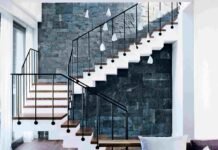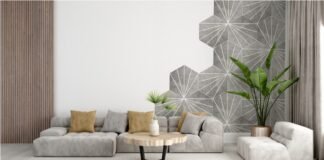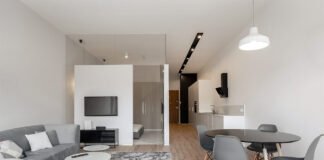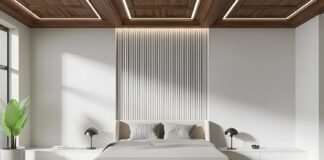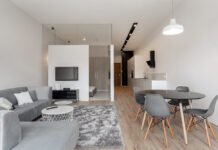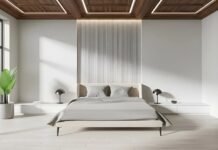
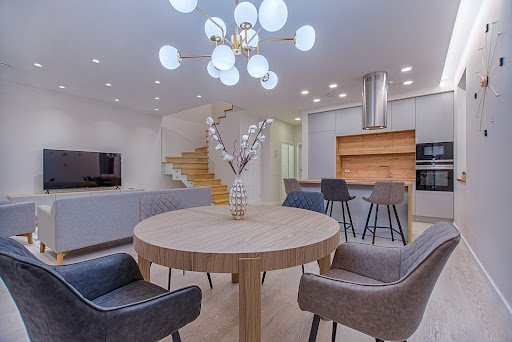
Lighting is essential for creating depth and height, cozy spots, and attracting attention to the most striking areas. It all comes down to the right balance between light and shadow and how it brings new life into an interior. During lighting design a designer or architect may only include a grid of downlights in their plans for your space, but this will not do justice to the work they have done. Your space will be more impactful if you have lighting professionals working in synergy with your architect or interior designer.
Your domestic’s front designer lighting must be welcoming to visitors. It should additionally provide a continuing transition from vibrant sunlight to indoors lights. The lights ought to be dimmed at night time to allow traffic to loosen up and transition from the darkness outside into the interior. Lighting should be dimmed before bed to inspire “winding down” however bright enough to will let you navigate your own home appropriately.
Table of Contents
What is designer lighting?
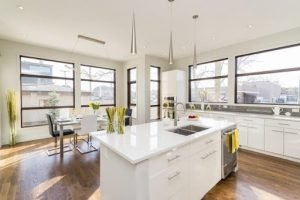
Decorative lighting — a bold pendant, chandelier, wall sconce or statement-making lamp — that does more than provide ambiance and beauty: It tells a story and adds personality in any room. Large, eye-catching pendants can naturally be drawing focus points and in particular they draw attention over dining tables or kitchen islands Bringing your eyes to the right height of a room while giving them something to rest on creating a sense of balance in design. Still, a single statement piece of lighting isn’t going to be enough illumination so layering light is important.
More downlights or wall-mount fixtures on either side would only provide more light and add decoratively. This tiered method also allows for evenly distributed lighting across different surfaces, without dark corners in the scene. There is a certain level of artistry to combining decorative lighting and architectural lighting in such a manner that they flow together with the space, setting just the right tone for an environment.
Decorative lighting is multifunctional- it is suitable for dimming which will create a warm and inviting late afternoon or evening ambiance while also brightening when more light is needed to work, eat or socialize. Decorative lighting highlights a room’s focal points, and with intention light placement you create a room that is warm, dynamic and engaging. Finally, decorative lighting is the jewelry in your home and that’s why you don’t make outfit combo without earrings and a necklace.
How can lighting Design be improved?
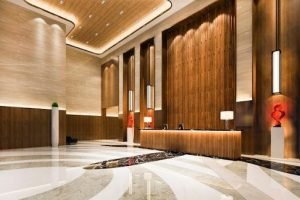
Lighting must be taken into consideration when designing any space, as it influences so many aspects of a room – from its functionality and mood to its overall look. When we are present during the concept phase, we have a free hand adding lighting to architecture, furniture plans and decoration. For this you are well advised to engage a lighting designer at an early stage.
Having them attend conversations with your electrician, architect and other team members means everyone has a view of your master plan. This cooperative method minimizes errors, prevents rash decisions, and helps to promote a unified and successful lighting design.
A smart lighting layout can do so much more than just beautify a room — it makes it work better, and helps you feel better in it. When you are designing a lighting theory, your three main concerns are: function; mood; and layering. Utility functions will have you lighting other areas for work, and day-to-day use.
Mood is dedicated to the creation of a desired atmosphere, whether it be cozy, bright or dramatic. The technique: Layering This means adding ambient, task and accent lighting for balance and depth. By adhering to these principles and incorporating light from the outset, what you are left with is a cohesive, visually pleasing, entirely functional space that will be comfortable and inspiring for anybody who uses it.
Function
A room should be well lit to allow all its occupants to navigate it safely. It is essential to consider the intended functions of the space so that the light serves them.
Aesthetics
Although function is the maximum important element of lights layout, it is now not the simplest element that topics. Designers who’re skilled understand a way to maximize space’s mental and bodily effect with out compromising its functionality. Great structure is constructed across the results of light and daytime.
Energy Efficiency:
Today’s architects are answerable for designing sustainable lights structures. This means the usage of energy-efficient lighting fixtures options and letting in extra natural sunlight with the aid of the use of passive daylighting systems.
Each building has a unique architectural lighting design approach that meets these three requirements. By thinking strategically about lighting design at the beginning of design, you can explore all options to make each project a success.
Lighting design improves flexibility.

Lighting design offers flexibility. It’s easier than ever to set the right mood in your space with the ever-growing advances in technology and lighting control.
Working with a professional lighting fixtures designer who has experience in sensible lights controls and dimming, you could pick between pre-set lighting scenes and plenty of other alternatives. Because of the high-quality impact lighting fixtures regulations could have on consumer experience, they’re becoming greater popular in hospitality.
Restaurants can manipulate lighting fixtures depth and mood for the duration of the day, that is a extraordinary advantage. To help clients wake up, a brighter environment can set inside the morning. However, a more intimate and relaxed mood may be created for the duration of the evening.
How light and architecture work together during lighting Design
Before discussing how mild and architecture engage for the duration of the procedure of lights design. It’s miles important to recognize the main types of buildings and their respective goals with lighting. Public homes consist of libraries, hospitals, sports activities arenas, and libraries. These homes provide the best mild situations for numerous occasions and responsibilities.
For carrying occasions consisting of football or baseball, the light ought to be sufficient to allow the gamers and spectators to see every other. It is likewise important for spectators who need to move across the area or stadium. The identical applies to hospitals and libraries. Libraries want good enough mild stages for their occupants to examine, write, and discover books on cabinets. Hospitals require excessive mild ranges to enable doctors and nurses to do their jobs well.
READ NEXT: Tips for buying a perfect chandelier for a living room
RELATED TOPICS: Home Lighting Design