Bring greenery to your home and bring yourself nearer to nature with our selection of low-light indoor plants that grow without sunlight. They are specially designed to meet the busy lifestyles of people as they can withstand indirect sunlight, and do not require frequent pruning and watering. With these varieties of indoor plants without sunlight, you can be sure of decorating just about every corner of the house, hallways, basements, balconies, and windows that do not receive any sunlight.
Table of Contents
Indoor Plants Without Sunlight
1. Snake Plant (Sansevieria trifasciata)
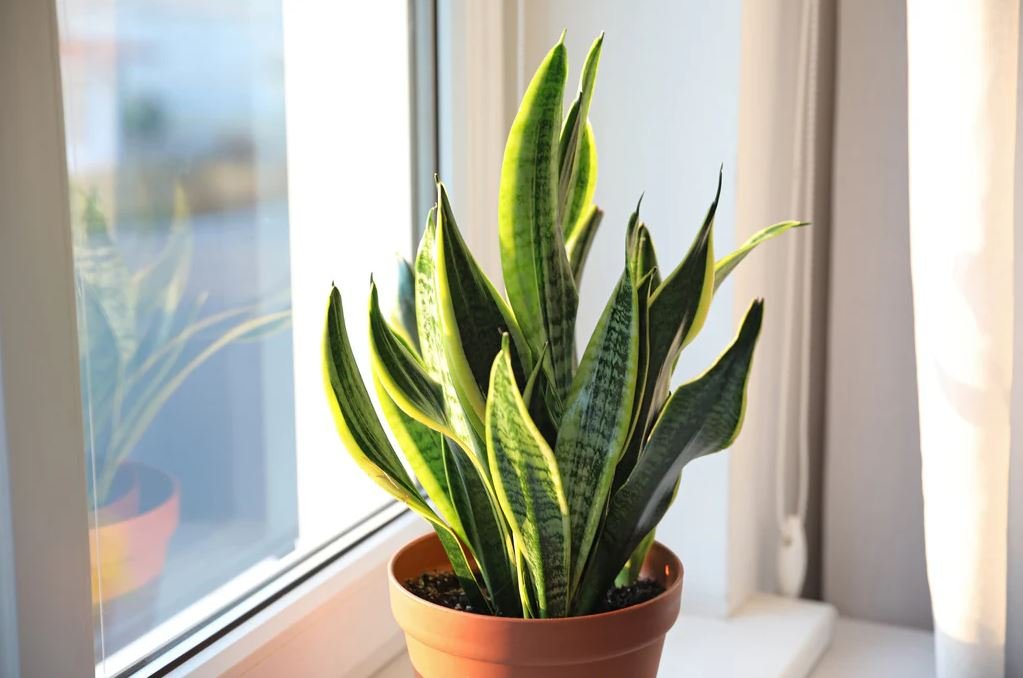
The snake plant is also referred to as the Tongue of Mother-in-Law owing to its marvelous strength and low-maintenance qualities. It can be grown in very low light levels, and can be watered very infrequently as well, which makes it good for busy or forgetful poor plant owners. Such a tough plant will not only manage to stay in the dark spots and corners, but can also assist in a healthier indoor environment with the assistance of air purification. The straight and tall, sword-shaped leaves create a modern appearance in any area.
2. Dumb Cane (Dieffenbachia)
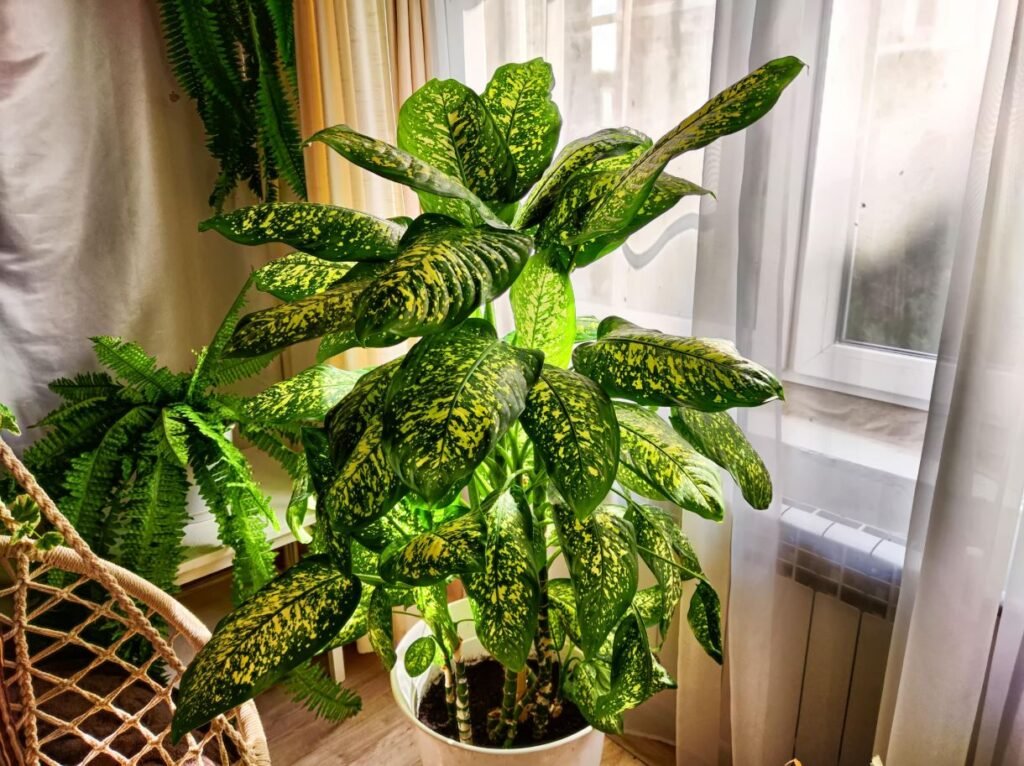
Low light can be withstood by this tropical green leaf plant with wide and bright green leaves. The conditions will slow down its growth, but would not impact the health and appearance of the plants. This green pet is poisonous and may cause damage to children or animals should they be ingested. Be careful with this green pet.
Watering is best done on a regular basis, but not too often. Dumb Cane likes a well draining soil and has a lot of compost. As this plant is an equatorial one which loves heat, the best temperature range is one between 62-80 F (16-27 C). It rarely flowers and does so in a fairly unnoticeable and somewhat evocative manner, like the flowers of Peace Lily.
3. ZZ Plant (Zamioculcas zamiifolia)
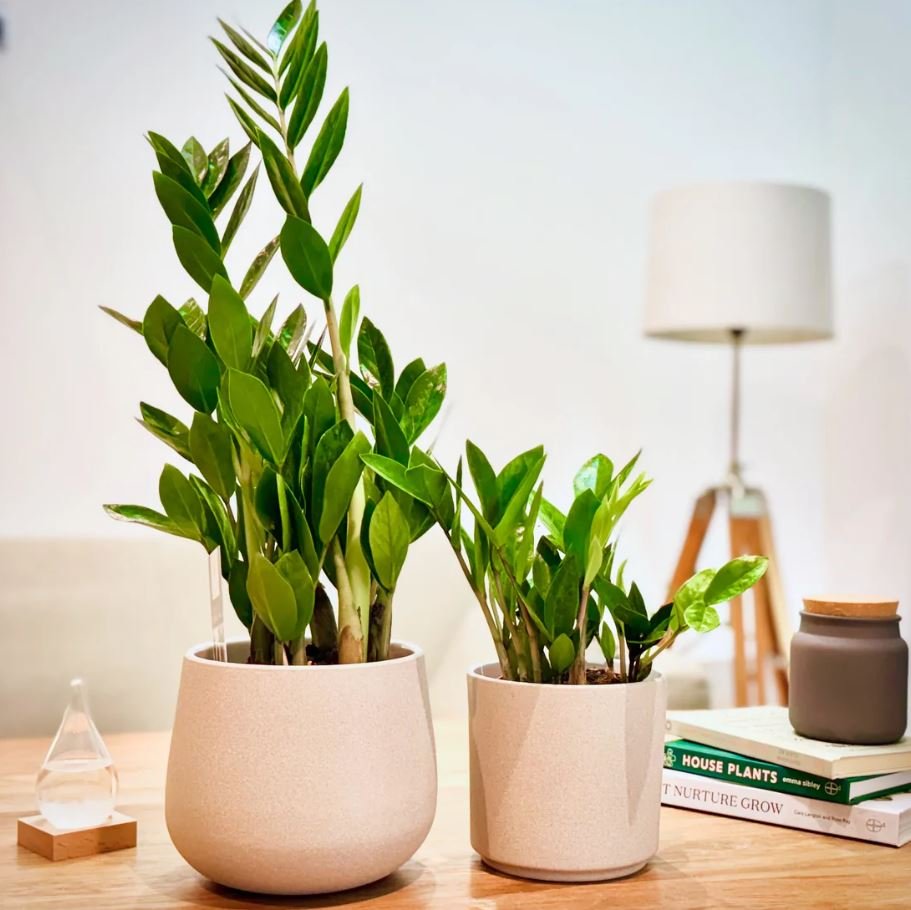
These beautiful zz plants, indoor plants without sunlight is appropriate in those homes that do not have adequate natural light, so it would be a good thing to keep in your bedrooms, offices, or in the shadowed corners. Giving a taste of grace and freshness to any area, its gleaming and colorful leaves will automatically add that touch of beauty and brightness to your interior decoration.
It has many of its largest advantages in the fact that it can be left alone to grow beautifully, as it has no required maintenance. The only way to ensure that it is healthy is to simply water the indoor plant only when the soil is thoroughly dry, that is, removing any chances of overwatering the plant and causing damage to the roots. This is an indoor plant that would live with minimal care and improve your indoor setting.
4. Lucky Bamboo
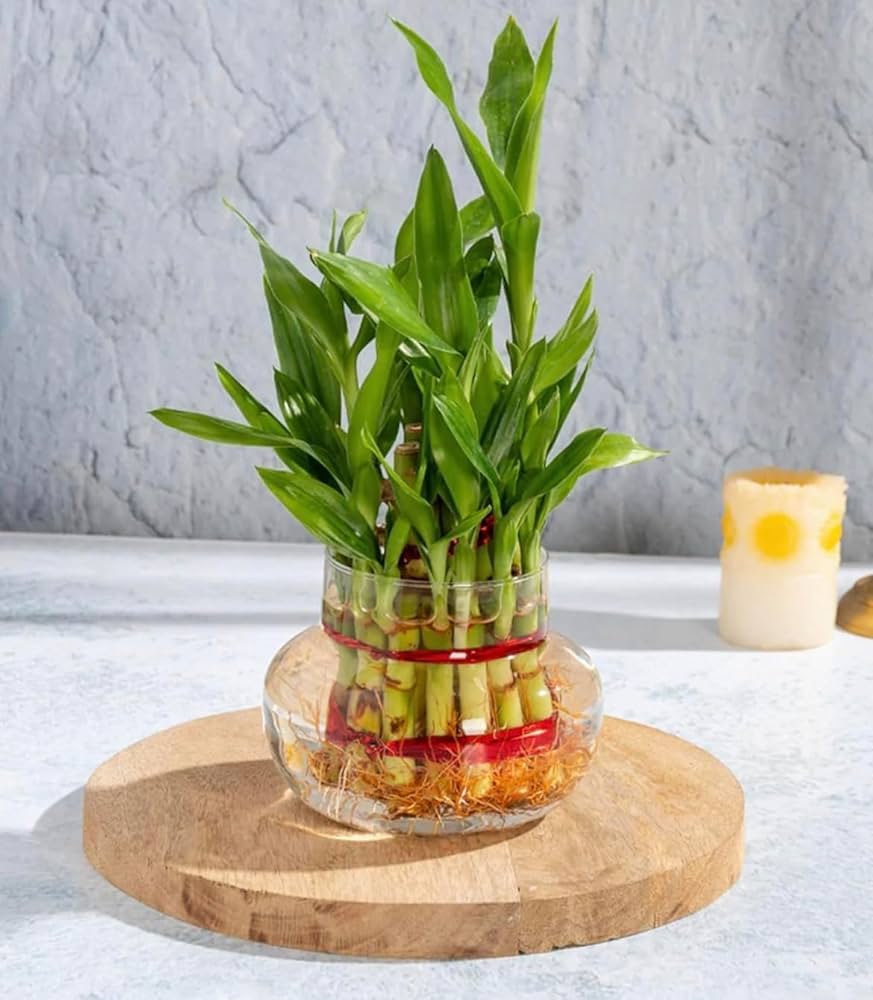
Lucky bamboo is a popular Feng Shui plant, which is believed to bring good fortune, balance, and good luck based on the number of stalks installed in the plant. It is commonly used by people in their houses and offices as an indicator of good fortune and prosperity. One of its greatest strengths of it can best be used in dark areas or even close-in areas.
You need to make sure that you change the water(s) frequently and keep them clean and fresh to uphold the health of the indoor plant and make it appear healthy and vibrant. Lucky Bamboo produces more than it has attracted attention to; this is that it creates a good flow of energy throughout.
5. Pothos
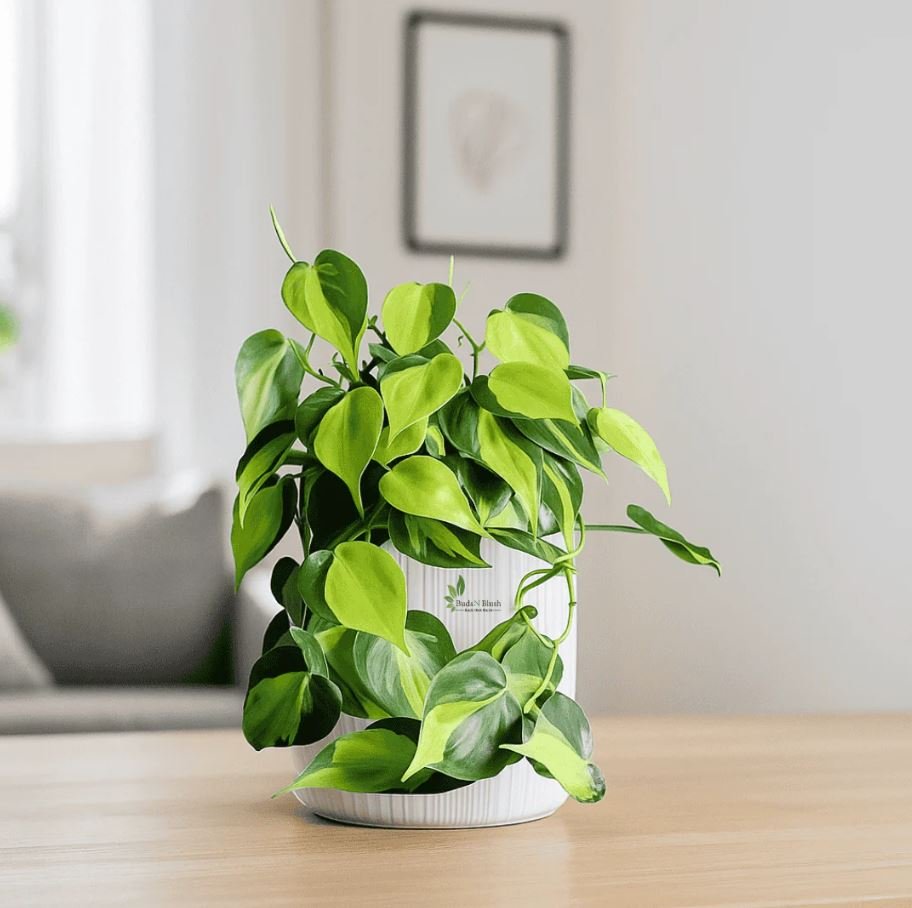
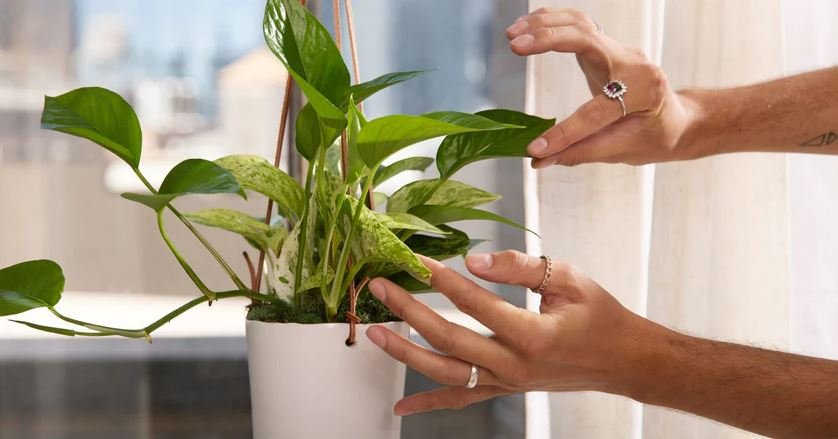
Pothos is an adaptable indoor plant suitable not only in low-light situations but also in low-water levels; therefore, being intuitive and reputable among amateur gardeners and those with hectic schedules. The appealing, quick spreading vines with heart-shaped leaves that are so smooth and leathery and easy to take care of, add natural beauty to any indoor space.
One must also look after the vines, by shaking them and brushing them to make sure that they do not tangle up and also so that the appearance of the indoor plant remains unchanged to being neat and healthy. Pothos has been identified to be flexible and can easily fit in any given atmosphere. However, it is toxic when consumed and therefore it would be preferable to keep it in a place that is not easily accessible to pets and small children.
6. Spider Plant
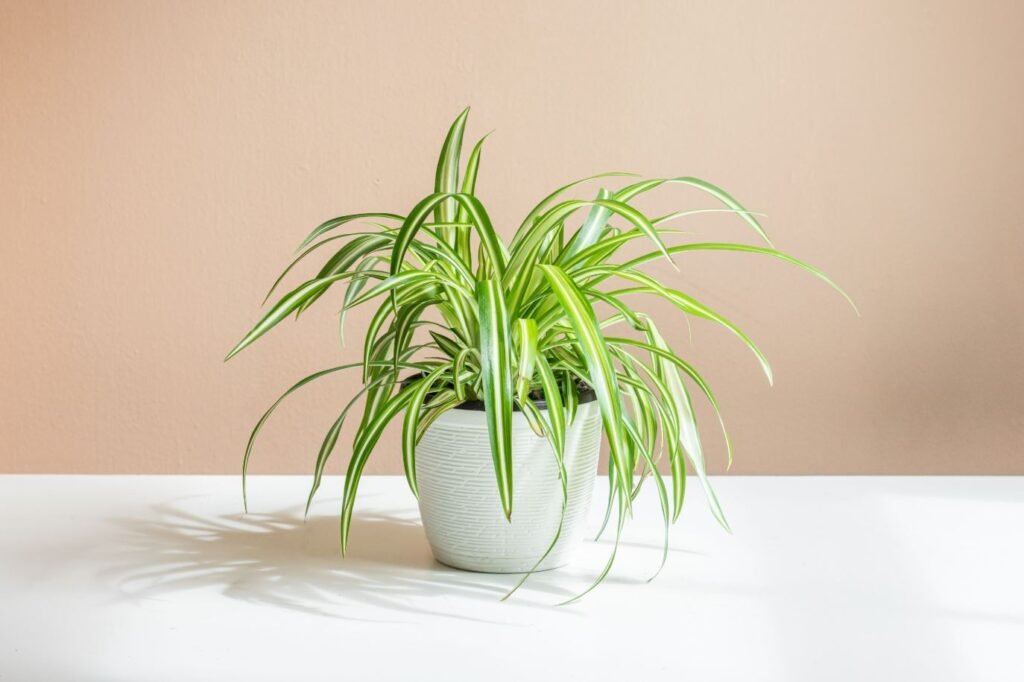
The spider plant would be a very good choice to start with. It is known to survive in bright or indirect sunlight, with only moderate watering, which makes it the best to begin with. Its long, green leaves with white striations contribute a refreshing aspect to any space in addition to helping to purify indoor air by getting rid of pollutants such as formaldehyde and benzene. The spider plant is believed to be a good-lucky plant, according to the Vastu Shastra of Indian Vastu. To become as successful as possible, it must be situated north, east, northeast,t or northwest of your house.
7. Peace Lily (Spathiphyllum)
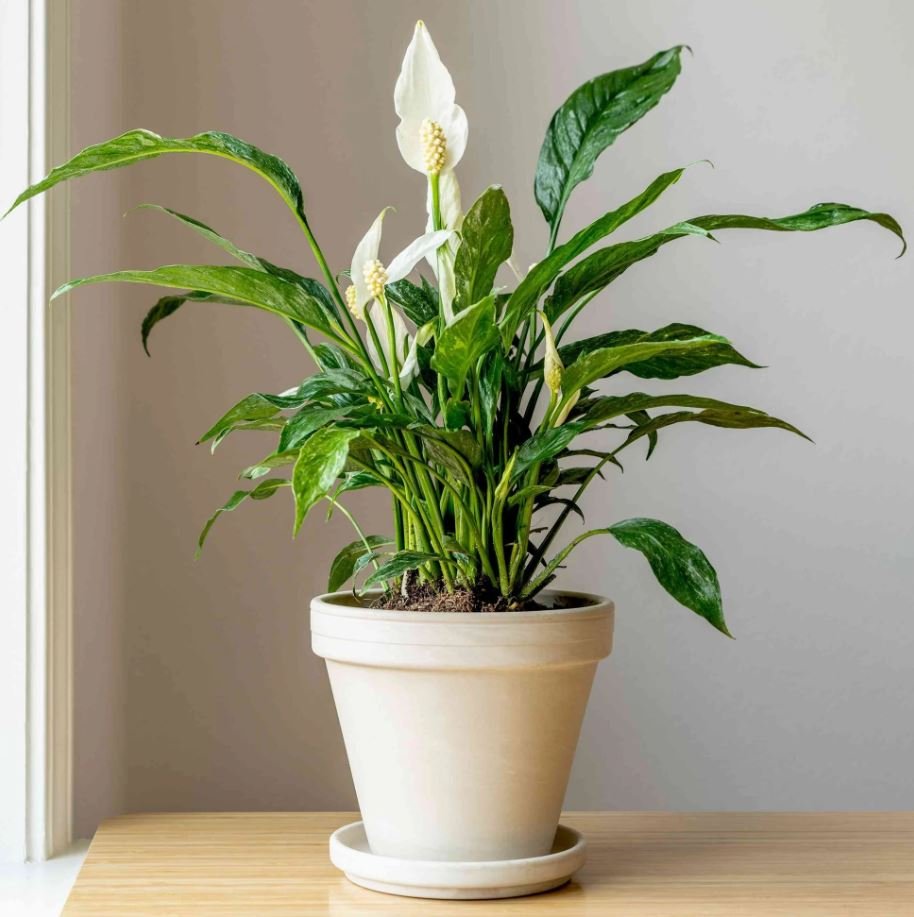
One of the most popular indoor flowering plants, known to prosper without direct sunlight are the Peace Lily. Their picturesque green leaf and exquisite white flowers make them a gorgeous object to be displayed in living rooms, offices, reception area and lobbies. They would be indoor plants without sunlight; they can be grown under low to medium levels of light. Besides being artistically pleasing, Peace Lilies can also be utilized in the disinfection of indoor air, by eliminating such dangerous pollutants as ammonia, benzene and formaldehyde. They make the environment very soothing, serene, and can improve any interior environment. Interestingly, Peace Lilies are one of the few indoor plants with the potential to bloom even in dark conditions.
8. Cast iron plant (Aspidistra elatior)
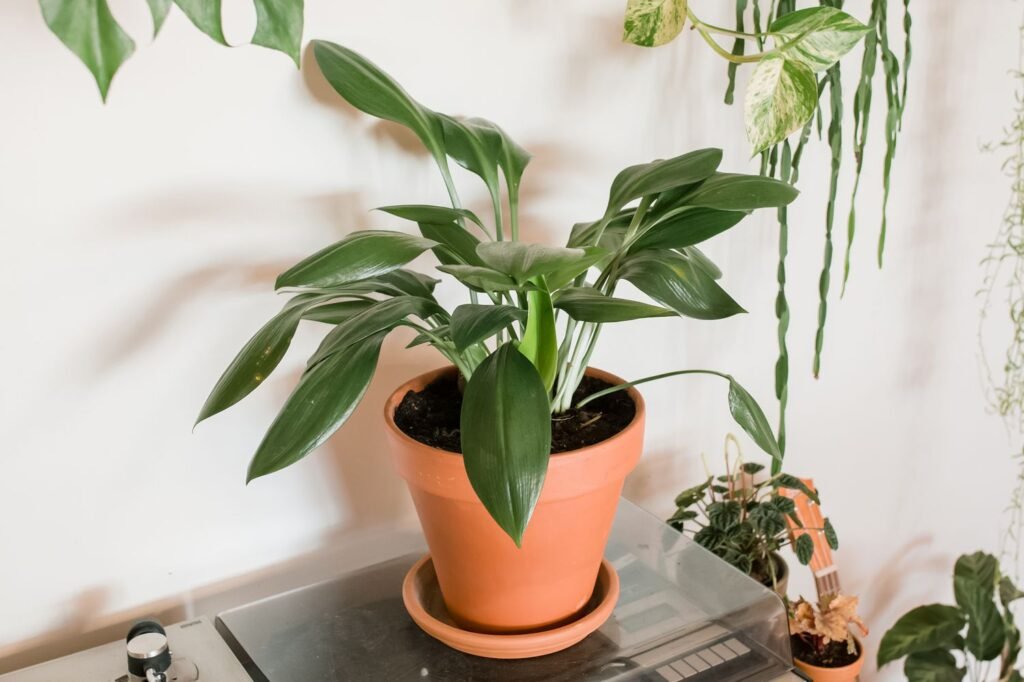
The big, oppressive green leaves of the cast iron plant simply love the shadow, so it is a good fit in rather dim rooms. Those with solid green leaves are most readily available; however, should you be lucky enough to find some of the cultivars with variegated foliage. The cast iron plant is extremely resilient to neglect and can fairly endure long dry spells once it has been established.
However, unlike most indoor plants,s the cast iron plant is not cold sensitive, thus it will gladly survive in unheated rooms not only during winter but also through the summer. Should you want to relocate it in the house, then make sure that it is not in direct light, since this is a true shade lover. Another slow grower is that of cast iron, and consequently, it will gladly reside in the same size pot with them for several years.
9. Aglaonema (Chinese Evergreen)
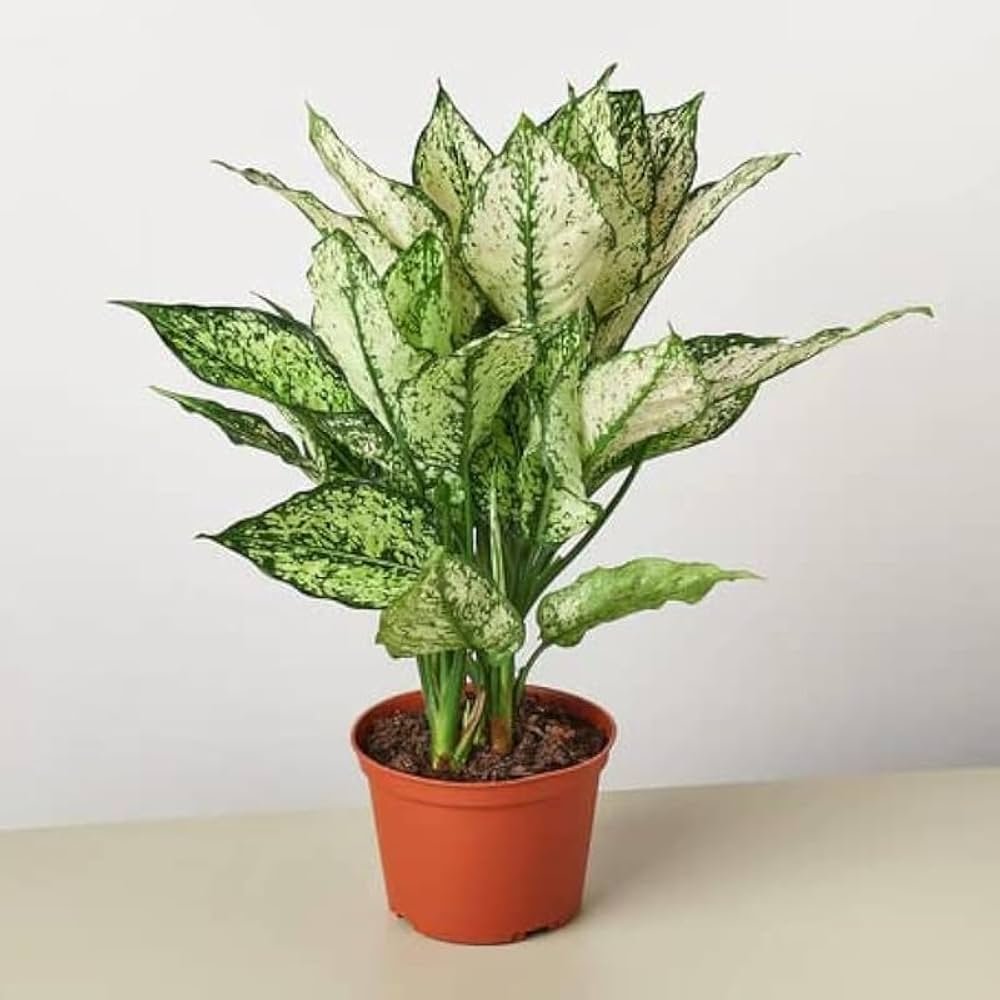
The Chinese Evergreens, also cited as Aglaonemas, are the wonderful, lush foliage plants that are very beautiful with so much splash of red, silver,r or deep green added to their leaves. Such indoor plants are very robust and can withstand low light levels; therefore, they can be compared to the darker parts of your house. Actually, they like dim lights and might have difficulties if they are subjected to intense sunlight. Their low rate of growth translates to a low level of maintenance and is easily adaptable to living rooms or bedrooms. Moreover, Chinese Evergreens require repotting only after two to three years and therefore, are convenient and stylish, and suit the needs of Chinese Evergreen indoor plant lovers.
10. Monstera
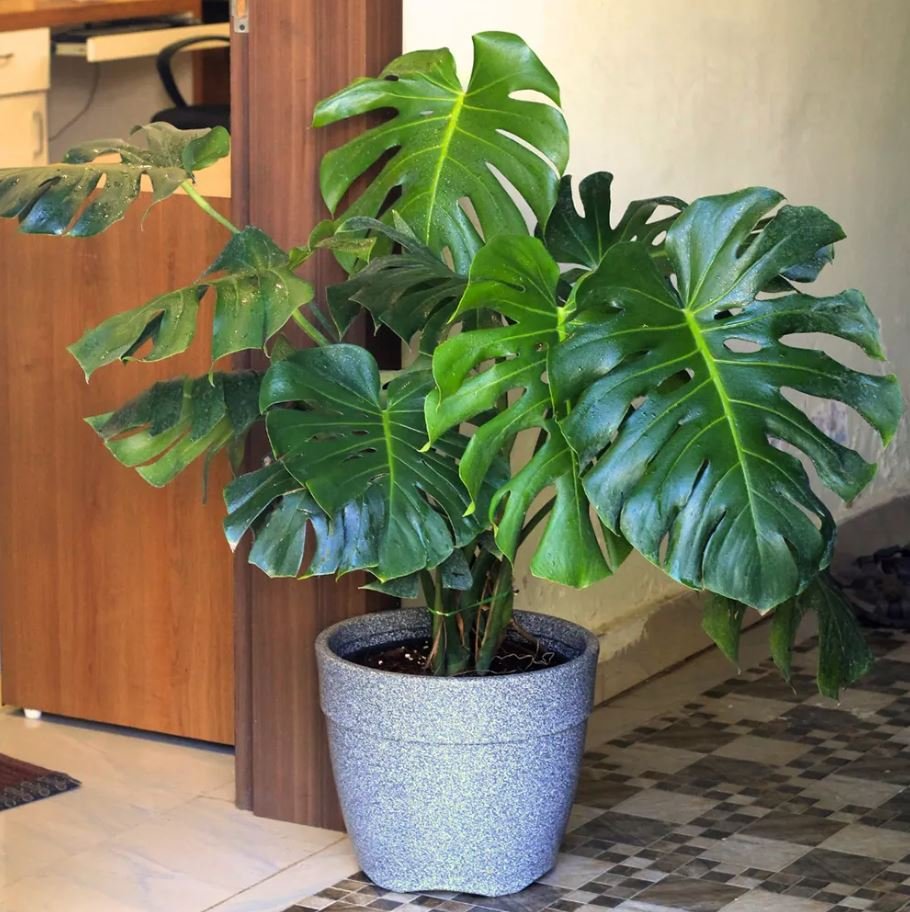
It seems that everybody is crazy about this plant due to the fact that it is beautiful. And the fact that Monstera is so carefree to add to its visual is a great touch to its image. It usually is diverted to bright light, but it will not object to a little of it. Only when the majority of the soil is dry, water the plant.
Great beds of light soil, combined with peat moss, pine bark, and perlite,e are the ideal choices of this green beauty. The most suitable temperature range is 60-80˚F (16-27˚C), and in no case should it be lower than 55˚F (13˚C). Monstera flowers rarely occur out of their natural environment or in a setting that is not of the natural environment, so it is rare luck to have the flowers bloom in the home.
11. Philodendron
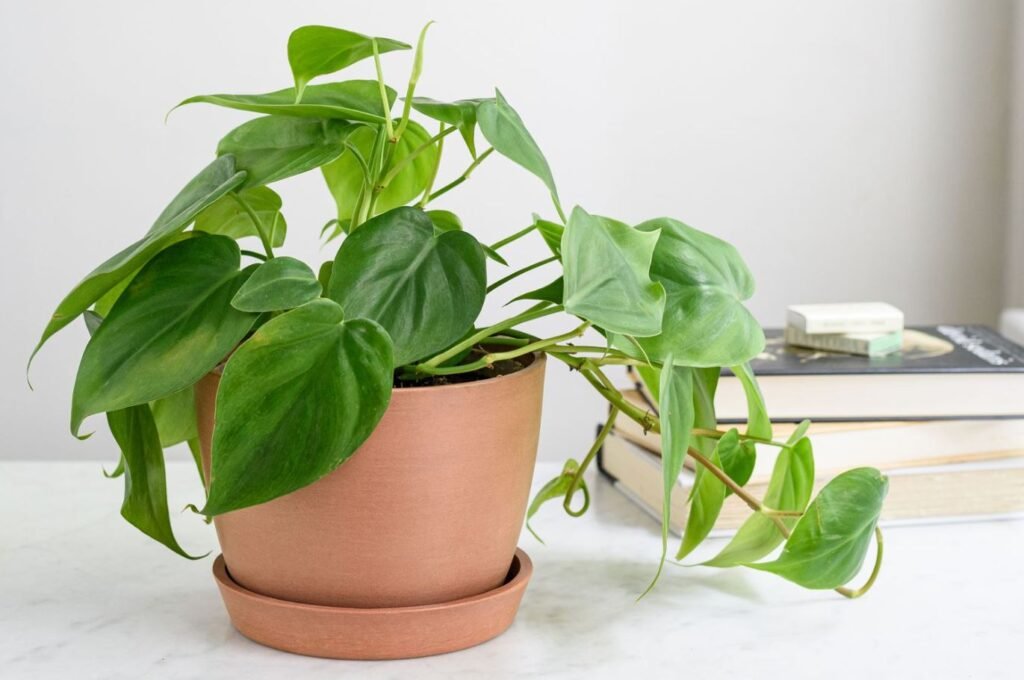
In order to cultivate this indoor plant without the sun, one must have it in a place that can receive medium, indirect light to grow healthy. Direct sun may destroy its fragile leaves, and low lighting can hinder its development. The most appropriate room will be one with a window that has been filtered or a bright room to ensure that the room does not lose its bright look. Regular watering, draining, and misting are good in making sure that the plant is well-maintained and fresh. The lush, green leaves of this indoor plant find their way into interiors easily, with the refreshing tropical appeal and with a natural tropical beauty throughout the year.
12. Dracaena
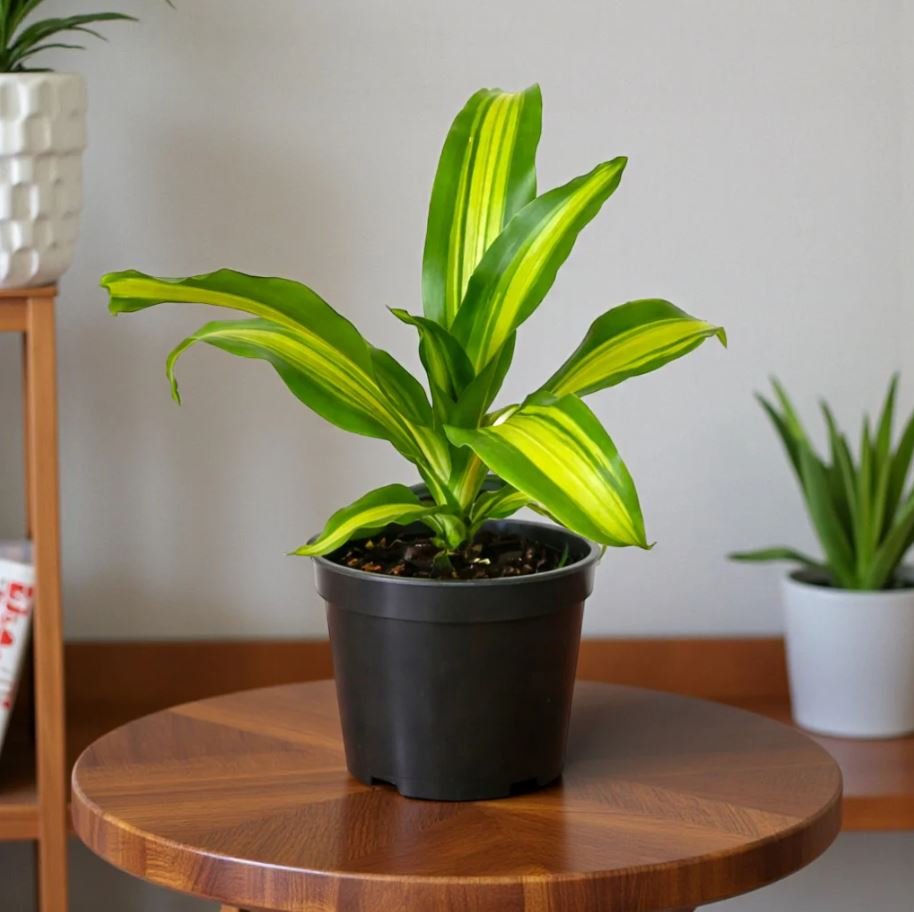
Dracaena Massangeana is a common houseplant because it is very beautiful, has a tree-like look, and is very versatile in house environments. It can be placed on tabletops, shelves,s or as a superb floor plant in your home and office in any size. Its potential to survive in medium to low light situations makes it among the greatest opportunities that it can serve the interior settings with limited amounts of natural sunlight. The yellow accents to its lush green leaves work as a refreshing touch to any given decoration. Easy to maintain and visually appealing, this indoor plant is a great choice when buying home and office plants online.
13. Prayer Plant
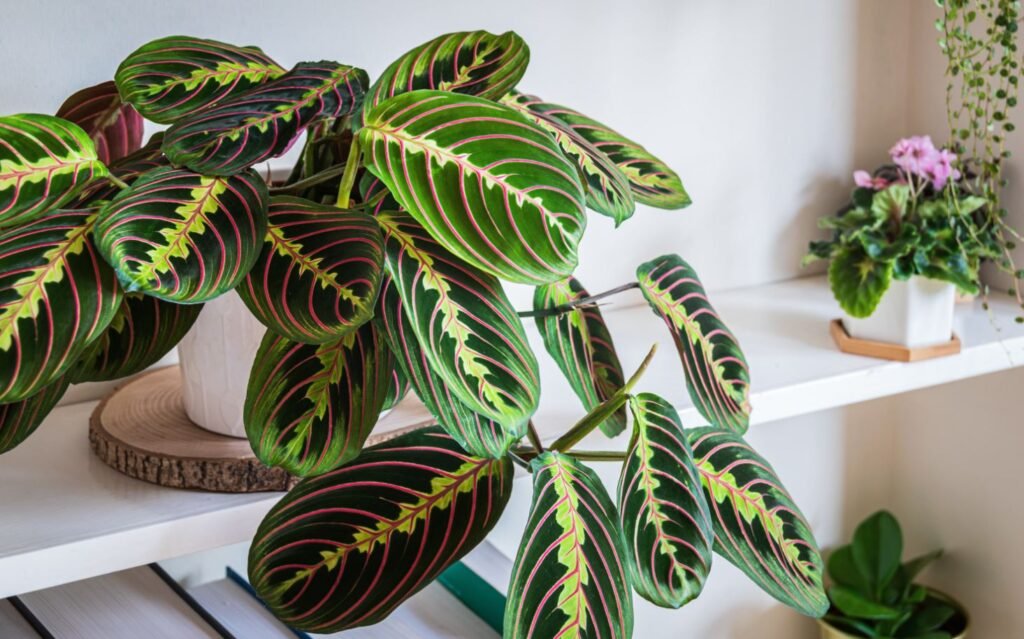
The prayer plant is an attractive tropical houseplant characterised by the appearance of distinct tricolored leaves and the slow and graceful development. It grows well indoors as long as there is a warm and moist environment that is fitted with environmentally friendly facilities. The plant is also very suitable for homes because it is able to adjust to the deficient lighting conditions in homes without any significant trouble.
However, this must not be exposed to direct sunlight, which can not only burn it, but also destroy the fragile greenery. Having steady moisture and moistness will ensure that the indoor plant remains healthy and beautiful,l and will be an ideal addition to the interior, or characteristic to add a hint of greenery and beauty to an indoor space.
14. Boston Fern
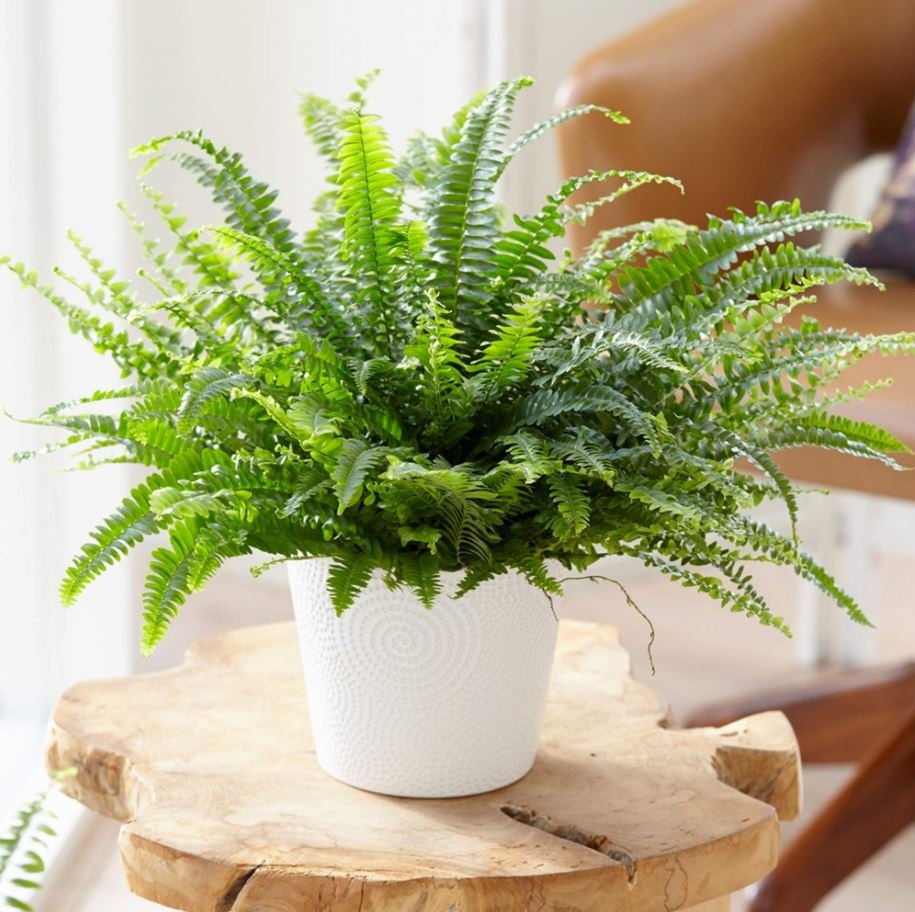
Since they were first identified in the late 1800s, Boston ferns (Nephrolepis exaltata) have played a significant role in interior design. These beautiful species form bright green, arching fronds that are beautiful when placed in urns or baskets. Boston ferns do well in semi-shaded areas free of cold drafts or heat duct systems. They are also ferns that prefer humidity; thus, misting is frequently used,d or a humidifier is used when it is cold to minimize fern leaf drop.
15. Rubber Plant
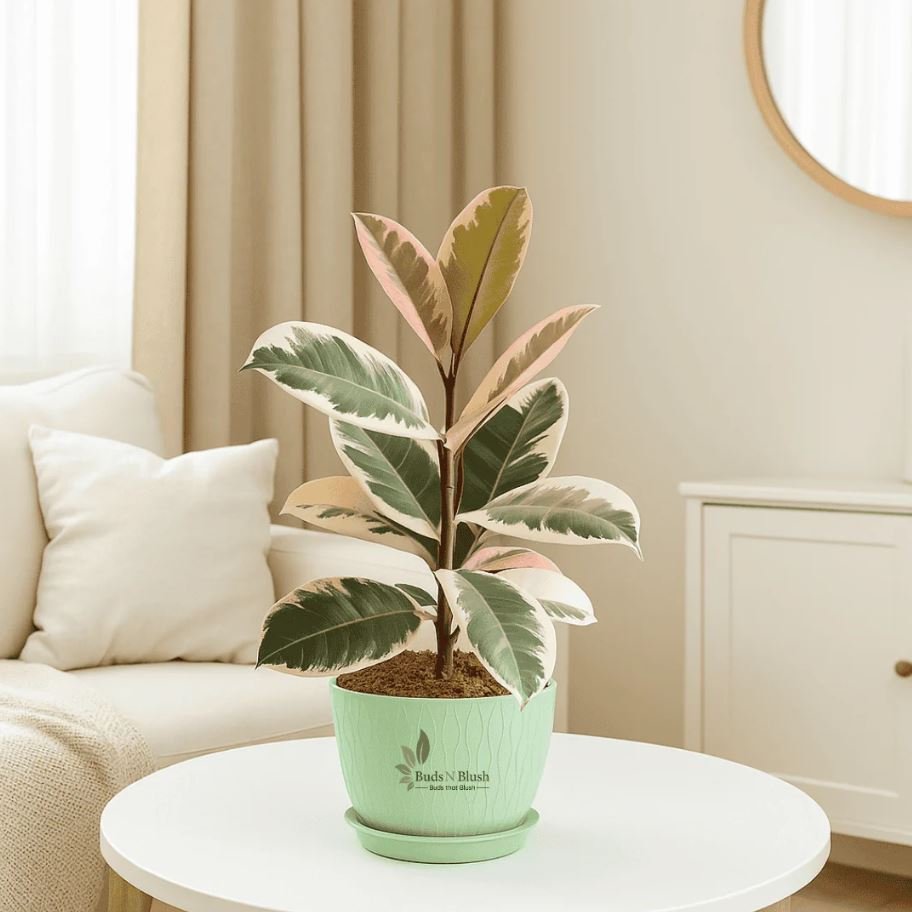
The rubber plant is known to eradicate toxins present in air due to wide, oval-shaped, and glossy leaves. It is able to be nurtured in middle level watering and in bright but indirect light. Pruned it to keep it in good shape. The Vastu Shastra has proposed the rubber plant to bring financial prosperity, wealth and business success. However, it is risky to keep it in the southeast part as it is bound to cause bad luck.
16. Flamingo flower (Anthurium andraeanum)
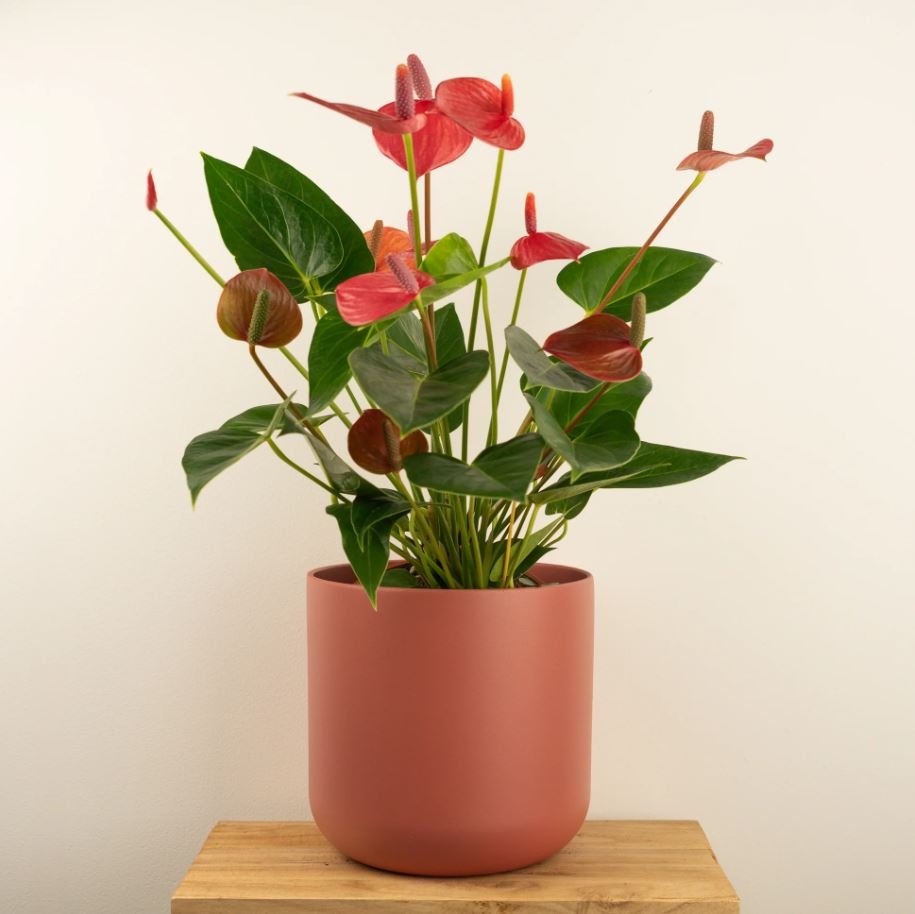
The glossy green, heart-shaped foliage of the flamingo flower is a sweet contribution to low-light rooms. It does bear bright red or pink flowers, but in general, they only appear when the indoor plant is cultivated in well-lit conditions. In dark rooms, you will have most of the pretty foliage. There are also hybrids with various coloured flowers, but these too will have to get into bright light to keep the flowers blooming.
Plant in a very free-draining potting mix and keep well watered. The roots will have continuous moisture yet not soaked(hence the necessity of the increased drains). When using cover pots (covered pots without any holes in the base to allow the water to collect), make sure that the water does not stagnate in the bottom of the cover pot either.
17. Janet Craig
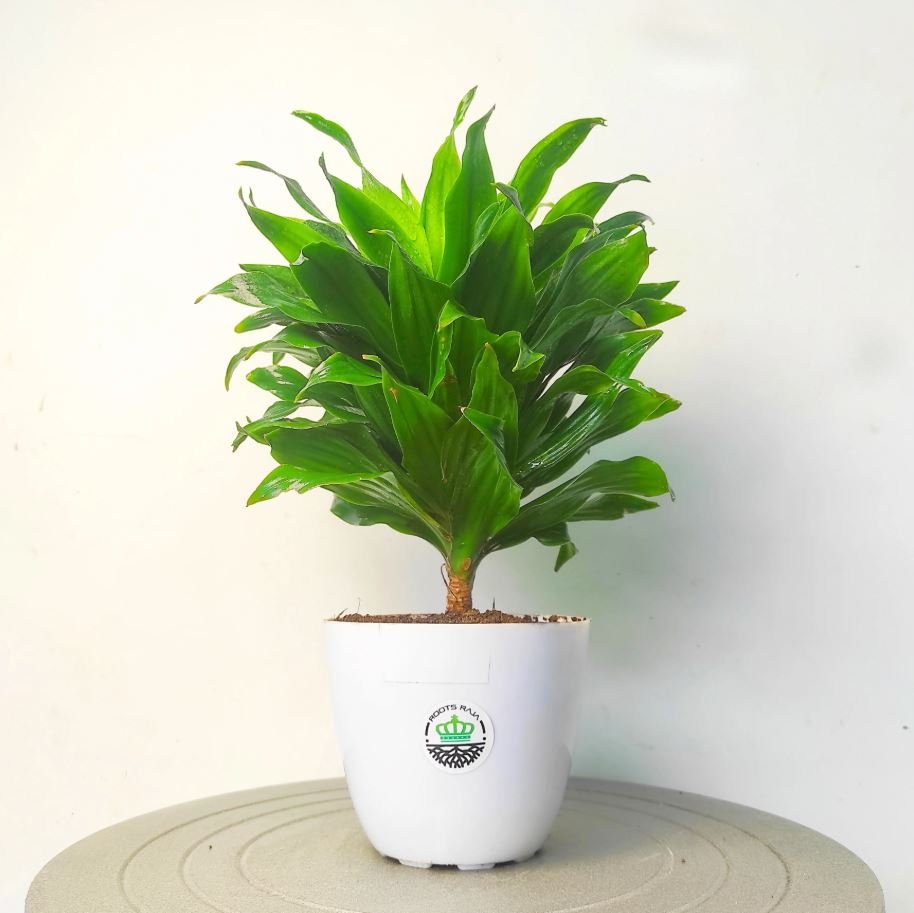
It is such a modest indoor plant that it will grow in nearly any conditions. It may be effective in locations with low lighting, and hence, the plant could be deployed to virtually any location. Janet Craig may put her foot in a great deal of mud, but she may not put her foot in wet soil, and so beware of wet soil.
The most suitable types of potting mix that are appropriate to use with this indoor plant are loose, friable potting mixes in the presence or absence of the additive of perlite or gravel. Temperatures of 65-80˚F (18-27˚C) work well for Dracaena. Lastly, this species comes into flower with big white flowers that are not only pretty, but also smell good.
18. Parlor Palm
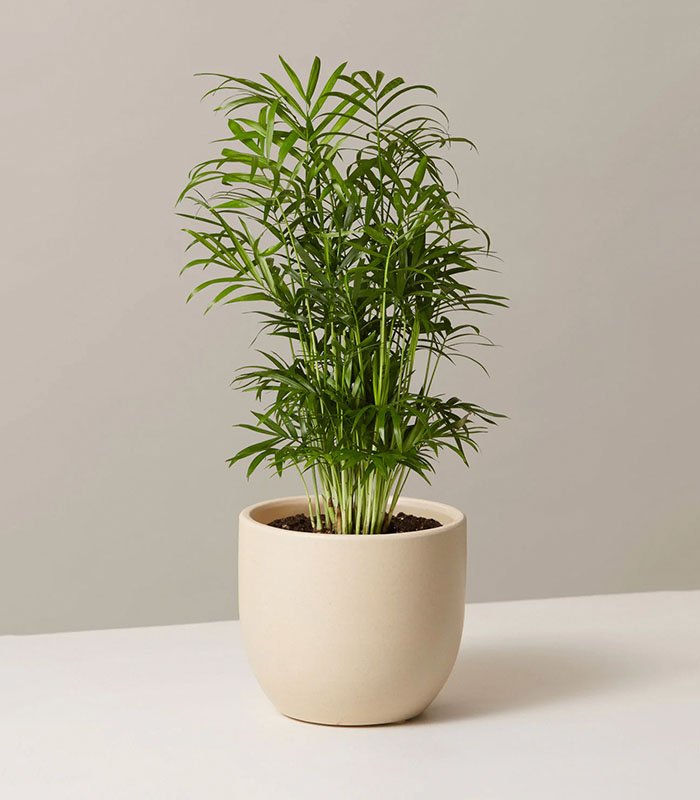
Parlor palm is a traditional indoor plant without sunlight that grows with feathery, arching fronds. It can also withstand low to moderate levels of light and thus is a very flexible option in different locations found indoors. This palm is fairly small, which means that it is extraordinarily suitable for a smaller environment in which you may, possibly, have desired to add a touch of radiance.