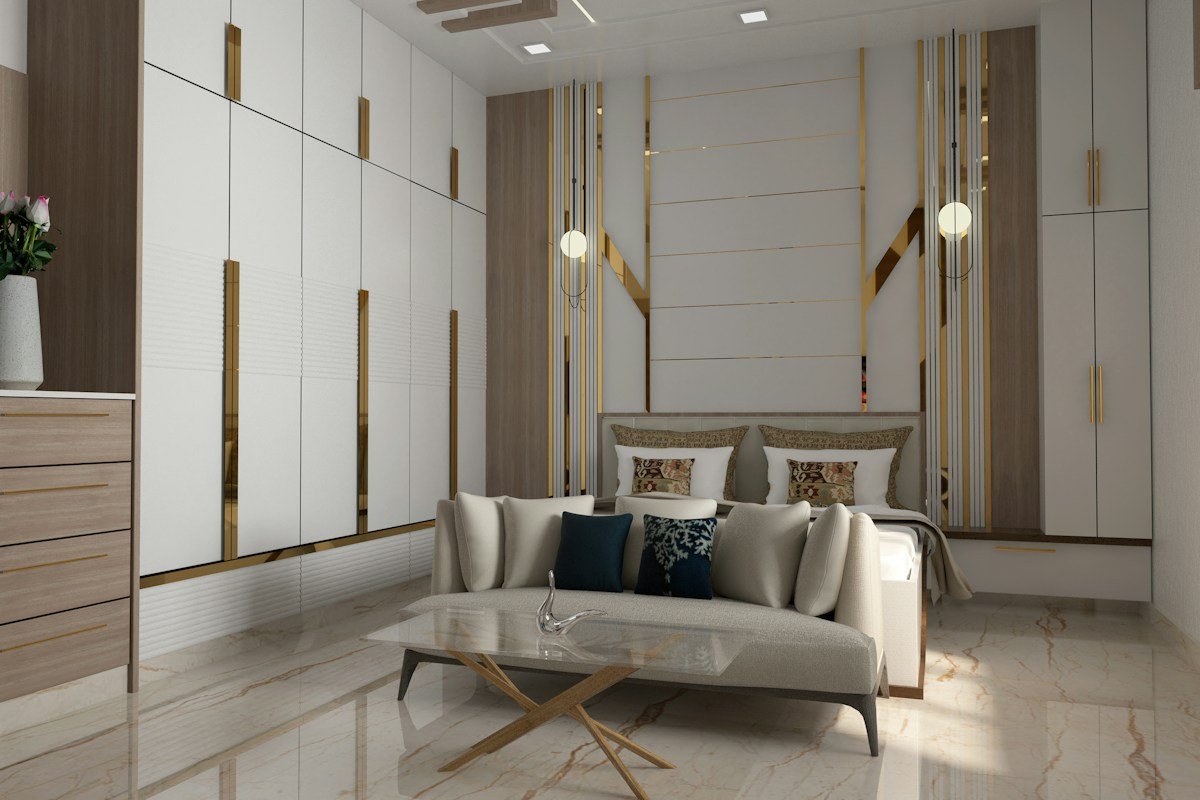
The modern bedroom represents the ultimate emotional sanctuary in contemporary domestic architecture. In an era dominated by relentless digital screens, sensory overstimulation, and fast-paced urban lifestyles, the primary sleeping chamber must perform as a restorative oasis that actively supports physical decompression and psychological restoration. While common design trends often cycle through fleeting bright accents or stark monochromatic whites, interior architects and color psychologists increasingly turn toward organic earth-tone palettes. Grounded in the ancient hues of fertile soil, weathered stone, sun-baked clay, and tranquil forest moss, earth tones possess an innate biological resonance that calms the human nervous system and encourages deep, restorative rest.
The physiological effectiveness of earth-tone bedroom palettes is rooted in environmental evolutionary biology. For thousands of years, human visual perception evolved in close kinship with nature. Earth tones signal safety, shelter, and resource stability to the subconscious mind. When applied across bedroom walls, muted umbers, soft ochres, warm sandstones, and gentle moss greens reduce visual noise, easing ocular muscle tension and lowering sympathetic nervous system activation. Rather than demanding visual attention, earth tones gently recede into the background, providing a soothing cocoon that softens harsh shadows and prepares the mind for the natural onset of sleep.
Furthermore, contemporary homeowners must approach bedroom color curation through the lens of circadian lighting dynamics and environmental health. Bedroom wall coatings interact constantly with both low-lux artificial evening lighting and early morning dawn. Selecting paint formulas with balanced Light Reflectance Values and zero-VOC mineral binders ensures that bedroom surfaces promote clean indoor air quality while supporting healthy melatonin secretion cycles. By referencing circadian rhythm research published by the Sleep Foundation, physiological studies documented by the National Institutes of Health, and sustainable material standards codified by the U.S. Green Building Council, this comprehensive guide delivers an authoritative roadmap for transforming modern bedrooms into restorative earth-toned sanctuaries.
Throughout the following deep-dive exploration, we will dissect the foundational principles of earth-tone bedroom design. From mapping pigment undertones and calculating Light Reflectance Values to coordinating natural wood headboards and layered ambient lighting, each thematic discipline is thoroughly analyzed with real-world examples, material pairings, and application blueprints. Whether you are executing a complete master suite renovation or refreshing a guest bedroom sanctuary, these proven architectural strategies will guide your design journey toward timeless beauty, tactile comfort, and nightly physical renewal.
Circadian Biology and Environmental Sleep Psychology of Earth-Tone Pigments
The relationship between interior wall color and sleep quality extends far beyond surface aesthetics; it is deeply rooted in circadian biology and neurochemical regulation. The human brain interprets visual stimuli through specialized intrinsically photosensitive retinal ganglion cells, which communicate directly with the suprachiasmatic nucleus: the master circadian pacemaker. High-saturation colors, such as vibrant reds, electric blues, or high-chroma yellows, stimulate cognitive alertness and elevate heart rates, effectively sabotaging the natural wind-down routines necessary for deep REM sleep.
In contrast, earth-tone pigments operate on low visual frequencies. By blending natural earth minerals such as iron oxides, burnt sienna, raw umber, and green earth (terre verte), these paint formulas mimic the tranquil visual landscapes of twilight and ancient natural shelters. Clinical sleep studies indicate that individuals sleeping in bedrooms finished in muted, low-contrast natural hues experience faster sleep latency: the time required to transition from wakefulness to slumber. The absence of aggressive visual contrast allows the sensory cortex to relax, signaling to the brain that the physical environment is safe, protected, and tranquil.
Spectral color reflection also governs how artificial evening light behaves inside the bedroom. When bedtime reading lamps are illuminated, wall paint absorbs and bounces light waves throughout the space. Walls painted in high-gloss white reflect high-energy blue and green light spikes that suppress melatonin synthesis. Conversely, earth-toned walls finished in velvety matte sheens absorb harsh light wavelengths, bathing the room in a gentle, low-lux amber glow that works in harmony with the body’s natural nocturnal hormone production.
Psychological comfort represents the final cornerstone of earth-tone sleep science. Humans possess an innate longing for connection with nature, a biological phenomenon known as biophilia. Introducing earth-derived wall colors into the bedroom satisfies this primal need, transforming four drywall surfaces into an organic refuge. Bathers of nature report lower cortisol levels, reduced pulse rates, and diminished mental anxiety, establishing a tranquil psychological baseline essential for combating modern insomnia and stress.
Warm Terracotta, Desert Ochre, and Sun-Baked Clay Palettes
Warm terracotta and sun-baked clay tones bring the grounded warmth of Mediterranean and southwestern desert landscapes directly into modern bedroom sanctuaries. Far from the harsh, neon oranges of past decades, contemporary terracotta is refined and complex, enriched with deep brown umbers, dusty roses, and mineral chalk. These sophisticated clay hues evoke the tactile beauty of hand-thrown pottery, ancient adobe dwellings, and sun-warmed desert cliffs, infusing sleeping quarters with comforting, radiant warmth.
When curating a clay-inspired bedroom palette, nuance in saturation is paramount. For primary wall expanses, specify muted terracotta with a generous grey or taupe grounding pigment, such as desert dusk, baked biscuit, or Tuscan terracotta. These restrained formulations provide warmth without overwhelming small footprints. In expansive master bedrooms with abundant natural sunlight, deeper, richer clay tones can be deployed across all four walls to create an intimate, luxurious retreat reminiscent of boutique desert hotels.
Natural wood finishes serve as the ideal architectural companion to terracotta walls. Pairing sun-baked clay surfaces with warm honey oak, rich teak, or dark American walnut creates a timeless organic dialogue. The natural wood grain lines echo the earthy pigments of the walls, establishing a rich textural balance. Accentuate the setting with brushed brass or matte antique bronze lighting hardware, which catches the warm undertones of the clay and glows invitingly under evening reading lamps.
Textile curation in a terracotta bedroom should embrace raw, tactile fibers that complement the warmth of the walls. Layer natural Belgian linen duvet covers in oatmeal, washed cotton waffle blankets in ivory, and chunky wool accent pillows in burnt rust. Introducing handwoven jute rugs or Moroccan Berber carpets grounds the floor plane, completing an enveloping sanctuary that feels rooted, artisanal, and comforting.
Tranquil Sage, Muted Moss, and Biophilic Forest Green Hues
For homeowners seeking tranquil, restorative energy that evokes misty morning forests and tranquil botanical gardens, soft greens represent the premier earth-tone choice. Green occupies a unique position in color science: it sits at the exact center of the visible light spectrum, requiring zero ocular muscle adjustment from the human lens to focus. Consequently, green is the most restful color for human eyes, making it an extraordinary choice for bedroom sanctuaries dedicated to restorative relaxation.
Modern bedroom greens move far beyond institutional pastels into complex, biophilic formulations. Muted sage, silver lichen, soft moss, and deep olive grey combine green pigments with generous drops of black, umber, and slate grey. These muted undertones ground the green, preventing it from appearing childish or overly botanical. In north-facing bedrooms where natural daylight can be cool and dim, select sage greens with subtle warm olive undertones to maintain warmth and prevent chilly shadows.
Architectural pairings with sage and moss greens should emphasize organic, nature-inspired materials. White oak headboards, cane webbing nightstands, and light travertine lamp bases provide clean, contemporary contrast against muted green walls. The pairing of soft green with light, unstained wood evokes Scandinavian and Japandi interior design philosophies, celebrating clean lines, minimalism, and unpretentious natural elegance.
Introducing living houseplants into a green earth-toned bedroom amplifies its biophilic benefits. Sculptural indoor specimens such as fiddle-leaf figs, olive trees in terracotta planters, or cascading pothos vines echo the wall color while purifying bedroom air. The dialogue between living foliage and mineral-toned walls establishes a vibrant indoor sanctuary that reconnects residents with the natural world every morning.
Muted Mushroom, Warm Taupe, and Raw Umber Equilibrium
Muted mushroom, warm taupe, and raw umber represent the chameleons of the earth-tone spectrum. Neither overtly brown nor coldly grey, these sophisticated neutrals exist in a refined equilibrium that exudes quiet luxury and architectural maturity. Evoking the colors of river stones, portobello mushrooms, weathered timber, and unbleached cashmere, taupe-based palettes create an atmosphere of serene, dignified calm that never feels trendy or dated.
The strength of a mushroom and raw umber palette lies in its ability to adapt gracefully across changing lighting conditions. During bright daylight hours, raw umber undertones absorb intense solar rays, preventing glare while maintaining a clean, tailored presence. In the evening under warm ambient lamplight, the brown and red iron oxide bases emerge, wrapping the bedroom in a cozy, protective embrace that fosters effortless relaxation and mental peace.
Creating visual interest within a monochrome taupe bedroom demands a mastery of tactile texture. Because the color palette is intentionally quiet, sensory engagement must be delivered through diverse material surfaces. Combine smooth plaster walls with fluted oak millwork, boucle upholstered bed frames, brushed velvet drapery, and polished natural stone nightstands. The subtle contrast between matte, velvety, and polished surfaces keeps single-hue bedrooms dynamic, layered, and rich.
Taupe also serves as the ultimate transitional neutral for en-suite master suites. Flowing seamlessly from a warm taupe bedroom into a master bathroom finished in creamy travertine or beige limestone creates a continuous, spa-like experience. Eliminating abrupt color boundaries between sleeping and bathing zones reinforces feelings of spatial expanse and architectural order.
Light Reflectance Value Calibration for Restorative Sleep Environments
In bedroom color architecture, calculating Light Reflectance Value (LRV) is a vital technical discipline that directly affects sensory comfort. While living rooms and culinary kitchens often thrive with high-LRV whites (LRV 70 to 80) to maximize daylight bounce, bedrooms require lower reflectance to foster relaxation. Painting a sleeping chamber with an excessively high LRV white can leave the room feeling exposed, bright, and emotionally ungrounded during evening hours.
The optimal Light Reflectance Value for a calming bedroom sanctuary spans between forty-five and sixty-two. Colors within this range possess enough pigment depth to absorb harsh daylight and artificial glare, creating an intimate, cocooning atmosphere without making the room feel like a dark cave. Soft clay tones, muted sages, warm greiges, and mushroom neutrals naturally reside within this balanced mid-range spectrum, providing optimal visual restfulness.
Room orientation and window dimensions dictate exact LRV calibration. In a large master bedroom with massive south-facing windows, selecting an earth tone on the lower end of the spectrum (LRV 45 to 50) stabilizes the space against overwhelming daylight flare. Conversely, in a compact guest bedroom with a small north-facing window, choosing an earth tone with an LRV between fifty-eight and sixty-two ensures the space retains sufficient luminosity without feeling dim or enclosed.
Ceiling LRV calibration requires equal architectural care. While many homeowners reflexively paint bedroom ceilings pure, untinted cool white, this creates an aggressive visual boundary that disrupts the serene cocooning effect of earth-toned walls. To preserve spatial harmony, paint the ceiling in a complementary warm white tinted at half-strength of the wall formula, or carry the wall color continuously over the ceiling plane in a dead-flat finish to dissolve room margins entirely.
Low-Sheen Coating Science: Dead-Flat and Mineral Velvet Finishes
The sheen of bedroom paint exerts as profound an influence on emotional mood as the color itself. Sheen is dictated by the ratio of binder resins to pigment solids: high-sheen paints create glossy, specular reflections, while low-sheen paints scatter light diffusely across microscopic surface valleys. In a bedroom sanctuary, high-sheen finishes such as satin or semi-gloss are counterproductive; they create distracting glare spots and highlight drywall seams under low-angle bedside lamps.
Dead-flat, ultra-matte, and mineral velvet sheens represent the gold standard for bedroom wall applications. With a gloss rating between zero and three percent, dead-flat paint absorbs incoming light waves, producing an unblemished, velvety texture that softens wall boundaries. This diffuse light scattering minimizes shadows and hides minor drywall imperfections, creating an ethereal, cloud-like atmosphere that enhances the calming properties of earth-tone pigments.
Modern paint engineering has successfully overcome the historical durability limitations of flat paint. Contemporary ceramic matte paints incorporate microscopic ceramic microspheres that deliver the velvety beauty of a flat finish alongside remarkable washability. Fingerprints around light switches and scuffs behind headboards can be wiped clean with a damp cloth without burnishing the paint into shiny patches, ensuring long-term aesthetic beauty in active households.
For woodwork elements such as bedroom baseboards, door frames, and window sills, maintain a subtle sheen transition. Applying an eggshell or low-luster satin enamel (fifteen to twenty percent gloss) to wood trim provides necessary impact resistance while creating an elegant textural contrast against ultra-matte drywall, highlighting architectural craftsmanship without introducing harsh glare.
Monochromatic Color Drenching vs Strategic Architectural Accent Walls
When implementing earth-tone colors in modern bedroom architecture, designers must choose between two primary spatial strategies: monochromatic color drenching or strategic focal accent walls. Each approach alters the perceived geometry and emotional intimacy of the room in distinct ways.
Color drenching (the practice of painting walls, baseboards, doors, crown moldings, and ceilings in the identical earth-tone hue) has emerged as one of the most transformative techniques in luxury interior design. By wrapping the entire room envelope in a continuous mineral color, visual boundaries dissolve. The eye glides across surfaces without encountering jarring trim lines, making compact bedrooms feel expansive and peaceful. Color drenching creates an enveloping cocoon that quiets mental chatter and induces deep psychological relaxation.
Conversely, strategic accent walls serve a valuable purpose in long, narrow bedrooms or rooms requiring clear focal prioritization. Painting the wall behind the headboard in a deeper earth tone (such as burnt sienna, deep forest olive, or rich raw umber) while keeping adjacent walls in a lighter coordinating sand or parchment anchors the sleeping zone. This treatment defines the bed as the primary destination within the room without overwhelming the entire space.
When designing an earth-tone accent wall, avoid arbitrary painted rectangles. Anchor the accent wall with intentional architectural millwork, such as vertical wood battens, floor-to-ceiling upholstered panels, or recessed picture-frame moldings. Integrating architectural texture ensures the accent wall feels like an integral structural feature rather than an afterthought, elevating the overall design sophistication of the bedroom suite.
Natural Wood Millwork, Headboards, and Textile Harmonization
A masterfully designed bedroom sanctuary harmonizes wall coatings with furniture materials, architectural millwork, and bedding textiles. Earth-tone wall colors find their natural partners in organic, authentic materials that share their earthy origins. When selecting furnishings, avoid sterile synthetic laminates and lacquered plastics in favor of tactile, nature-derived elements.
The headboard acts as the focal anchor of the entire room. Upholstered headboards wrapped in heavy Belgian linen, textured bouclé, or rich saddle leather integrate seamlessly with earth-toned walls. For a grounded, organic look, choose a solid wood headboard crafted from live-edge walnut, white oak with visible medullary rays, or rich cerused ash. The natural variations in wood grain introduce organic movement that complements the serenity of matte mineral walls.
Bedding textiles should be curated as a layered sensory landscape. Begin with pure European flax linen sheets in warm ivory or soft sand. Add a mid-weight waffle-knit coverlet in muted clay, and crown the bed with an organic wool or cashmere throw in deep moss green. Because all layers share the same natural color family, they blend into a cohesive, inviting bedscape that beckons you to unplug and unwind at the end of a demanding day.
Flooring selections complete the ground plane. Natural hardwood planks finished in matte, low-VOC polyurethanes provide an enduring, warm foundation. Layering the floor with thick wool pile rugs or hand-knotted jute carpets softens footfalls, absorbs room reverberations, and provides a cloud-like landing for bare feet on chilly mornings, supporting physical comfort from baseboard to headboard.
Circadian Lighting Integration: Dim-to-Warm Schemas and Low-Lux Fixtures
The most exquisite earth-tone paint palette will fail to deliver its restorative potential if illuminated by harsh, inappropriate artificial lighting. Traditional cool white LED bulbs (4000K to 5000K) emit high levels of blue light that clash with earth pigments, turning warm clay into sickly peach and making moss green look drab. To unlock the full restorative magic of earth tones, the bedroom lighting plan must follow circadian lighting principles.
Bedside reading lamps and wall sconces should feature dim-to-warm LED bulbs that shift color temperature as they dim. At full brightness (three hundred lumens), they emit a cozy 2700K warm white ideal for reading; when dimmed down for late-night relaxation, the color temperature drops to an amber, candle-like 2200K or 1800K. This warm spectrum encourages natural melatonin production, preparing the body for sleep while casting a golden glow across earth-toned walls.
Ditch harsh central ceiling downlights in favor of indirect, layered illumination. Install concealed LED cove channels behind headboards or beneath floating nightstands to cast soft, glare-free light across the floor and walls. Sconces equipped with opaque ceramic or fabric shades direct light up and down, keeping bright light sources out of the eyes of resting occupants.
Smart lighting controls and automated schedules bring the circadian bedroom to life. Program bedroom lights to gently dim thirty minutes before your target bedtime, simulating a natural sunset inside your sanctuary. Waking up to soft, slowly rising warm light gently rouses you from slumber, syncing your biological clock with the natural rhythms of day and night.
Low-VOC and Odorless Formulations for Pure Indoor Air Quality
Because humans spend approximately one-third of their lives inside the bedroom, indoor air quality is a paramount health consideration. Traditional solvent-based paints release Volatile Organic Compounds (VOCs) that off-gas for months, causing headaches, eye irritation, allergies, and disrupted sleep. In a room dedicated to physical healing and rest, specifying non-toxic, clean-air paint coatings is a non-negotiable imperative.
Modern zero-VOC water-based acrylic paints deliver pristine air quality without compromising coverage or scrub resistance. Formulated with sustainable plant-based binders and clean mineral colorants, certified zero-VOC paints contain less than five grams of VOCs per liter, emitting virtually zero odors during application. Homeowners can paint their bedroom on a Saturday morning and comfortably sleep in the room that same evening without inhaling toxic fumes.
Natural clay and mineral paints represent the absolute pinnacle of healthy bedroom finishes. Composed of pure clay, mineral pigments, water, and plant cellulose, natural clay paint is completely free of petro-chemicals, synthetic solvents, and chemical biocides. Clay paints are naturally hygroscopic: they absorb excess humidity when the room is damp and release it when the air is dry, acting as an organic humidity regulator that maintains optimal indoor breathing conditions.
Furthermore, clay and mineral paints possess natural negative ionization properties that help neutralize airborne dust, allergens, and odors. By coating bedroom walls in pure mineral and clay formulations, you create a breathing architectural envelope that protects respiratory wellness, ensuring that your nightly rest is as pure and healthy as it is deeply restorative.
Acoustic Isolation and Sound-Dampening Wall Assemblies for Sleep Sanctity
True psychological restoration requires not only visual serenity but also acoustic tranquility. In contemporary residential construction, hollow partition walls between bedrooms, adjoining bathrooms, and common living corridors frequently allow intrusive airborne noise to penetrate the sleeping space. Traffic rumble, mechanical HVAC humming, and footsteps from adjacent corridors disrupt sleep cycles and prevent deep REM recovery. When remodeling a bedroom sanctuary, integrating sound-dampening architectural assemblies alongside calming earth-tone paint elevates the room into an acoustically isolated haven.
Sound isolation engineering begins within the wall cavity framing. Standard fiberglass insulation offers minimal sound dampening against low-frequency bass notes and footstep thuds. Upgrading to high-density stone wool mineral batts inside the stud bays significantly boosts Sound Transmission Class (STC) ratings, absorbing sound waves through dense basalt fibers. To prevent mechanical structural vibrations from bridging across timber studs, installers mount resilient sound isolation clips (such as RSIC-1 clips) and drywall hat channels, effectively decoupling the interior drywall plane from the home’s structural framing.
Substrate density complements acoustic decoupling. Hanging a layer of specialized constrained-layer acoustic drywall (such as QuietRock) or installing two layers of five-eighths-inch Type X gypsum board laminated with viscoelastic sound-damping green glue dissipates sound energy into microscopic thermal friction. Once taped, mudded, and coated in velvety dead-flat earth-tone mineral paint, the finished wall provides an impenetrable barrier against outdoor commotion, ensuring that your bedroom sanctuary remains an oasis of quiet luxury and peaceful rest.
Seasonal Lighting Transitions and Directional Exposure Calibration
The visual character of earth-tone wall colors shifts dynamically as the Earth orbits the sun throughout the seasons. In temperate climates, winter months bring low-angle sunbeams that cast long, warm-toned horizontal rays across bedroom floors for only six to seven hours per day. Conversely, during summer solstices, high-noon sun angles flood the room with intense, high-lux daylight that can overheat visual warmth. Designing a year-round restorative sanctuary requires calibrating earth tones against these shifting seasonal dynamics.
In north-facing bedrooms, natural daylight is inherently cool, indirect, and diffuse. Cool gray or blue-based wall colors in north-facing rooms often look depressing and cold. Applying a warm earth tone: such as baked terracotta, desert ochre, or warm biscuit: introduces synthetic sunlight into the room. The yellow and red iron oxide pigments capture cool northern light and warm it up, infusing the bedroom with year-round hospitality regardless of winter frost outside.
South-facing bedrooms require the opposite calibration. Flooded with intense, warm golden light from morning until late afternoon, south-facing bedrooms can feel overly hot if painted in heavy, saturated yellows or oranges. To balance strong southern sun, specify earth tones grounded in muted sage, slate moss, or raw umber taupe. The green and gray components temper the sun’s intense warmth, keeping the bedroom feeling cool, refreshing, and serene during hot summer afternoons.
Spatial Geometry and Calming Architectural Flow Principles
How furniture is arranged within an earth-toned bedroom directly affects subconscious security and spatial harmony. In environmental psychology and traditional spatial design, the bed must occupy the commanding position: placed diagonally opposite the main entry door with a solid, unyielding wall behind the headboard, allowing occupants to see anyone entering without being directly in line with the door swing.
Avoid positioning the headboard directly beneath a window opening. Windows create subconscious vulnerability to outdoor drafts, street noise, and temperature changes, causing micro-arousals during the night. Anchoring the bed against a solid, continuous earth-toned accent wall provides psychological grounding. Keep pathways on both sides of the bed open and unobstructed, allowing at least thirty inches of clear walkway to promote effortless movement and visual breathing room.
Balance the earth element with subtle complementary materials throughout the room. In holistic design, an over-abundance of heavy earthenware can feel overly heavy or static. Introduce delicate counterpoints: slender forged-iron task lamps, floating glass decanters on nightstands, and lightweight linen sheers filtering window daylight. This dynamic equilibrium between grounded earth pigments and airy architectural elements creates an uplifting, harmonious environment where body and mind can truly recharge.
Tactile Headboard Textures and Acoustic Fabric Selection
In high-end bedroom design, the headboard acts not only as the visual anchor of the room but also as a primary acoustic absorber. When placed against an earth-toned accent wall, the texture of the headboard fabric establishes a dialogue between soft tactile upholstery and smooth, velvety matte drywall. Selecting the appropriate upholstery textile dictates how sound waves, ambient light, and skin contact interact within the sleeping zone.
Heavy Belgian linen and textured bouclé represent two premier choices for organic earth-toned bedrooms. Unbleached Belgian linen, woven from natural flax fibers, possesses a crisp, slubbed texture that softens with age. Its natural breathability and moisture-wicking properties keep the headboard cool to the touch during summer nights while providing subtle textural contrast against terracotta or sage walls. Bouclé, characterized by looped curly yarns, delivers cloud-like softness and substantial acoustic dampening, absorbing nighttime breathing sounds and creating an ultra-plush backdrop for evening reading.
For those seeking rich, timeless grounding, top-grain semi-aniline leather headboards offer unmatched organic luxury. As natural leather ages, it develops a soft, supple patina that echoes the earthy, sun-baked qualities of raw umber and clay paints. Choosing leather tanned with vegetable extracts rather than toxic chromium salts ensures zero chemical off-gassing near your pillow. Pairing a saddle-tan leather headboard with muted moss green or warm taupe walls produces an elegant, grounded atmosphere that celebrates authentic natural materials and tactile residential craftsmanship.
Comparative Diagnostic Matrix of Bedroom Earth-Tone Color Families
Selecting the ideal earth-tone color family requires balancing Light Reflectance Value, dominant undertones, natural window orientation, and psychological relaxation goals. Each earth-tone group establishes a distinct sensory mood, ranging from warm and cozy to cool and meditative.
To assist homeowners and designers in selecting the optimal palette for their modern bedroom sanctuary, the following comparative matrix details the four premier earth-tone families across critical technical, lighting, and psychological parameters. Review these performance metrics carefully before finalizing your bedroom specifications.
| Earth-Tone Family | Typical LRV Range | Dominant Pigments | Psychological Impact | Optimal Lighting Match | Best Bedroom Application |
|---|---|---|---|---|---|
| Warm Terracotta & Clay | 42 – 54 | Burnt Sienna, Iron Oxide & Umber | Grounded Warmth & Security | 2200K – 2700K Low-Lux Lamps | Spacious Master Suites & Feature Headboards |
| Muted Sage & Forest Moss | 50 – 62 | Terre Verte, Slate Grey & Ochre | Restful Calm & Biophilic Renewal | 2700K – 3000K Balanced LED | North-Facing Bedrooms & Guest Sanctuaries |
| Mushroom & Warm Taupe | 48 – 58 | Raw Umber, Carbon Black & Ochre | Quiet Luxury & Timeless Stability | 2400K – 2700K Ambient Sconces | Monochromatic Color-Drenched En-Suites |
| Bleached Sand & Oatmeal | 58 – 66 | Yellow Ochre, Chalk White & Umber | Airy Simplicity & Uncluttered Peace | Diffuse Natural Morning Daylight | Compact Bedrooms & Minimalist Sleeping Lofts |
As highlighted in this diagnostic matrix, warm terracotta delivers intimate, grounded security in spacious bedrooms, while muted sage offers supreme biophilic calm for active minds prone to stress. Muted mushroom serves as the premier choice for seamless en-suite color drenching, while bleached sand provides gentle openness in compact floor plans. Carefully weigh your personal sleep patterns and daylight exposure before making your final selection.
Frequently Asked Questions About Earth-Tone Bedroom Colors
What is the most relaxing earth tone for a bedroom?
Muted sage green and soft moss grey are scientifically proven to be the most relaxing earth tones for a bedroom. Because green falls at the exact center of the visible light spectrum, human ocular muscles do not need to adjust to perceive it, which immediately eases eye strain and signals safety to the autonomic nervous system. Paired with warm wood finishes, muted sage fosters a deeply peaceful sleep atmosphere.
Can earth tones make a small bedroom feel smaller?
Not when chosen with the appropriate Light Reflectance Value and sheen. Mid-tone earth colors (LRV 52 to 62) finished in dead-flat or ultra-matte sheens absorb glare and soften corners, blurring the boundaries of the room. Using the color drenching technique: painting walls, trim, and ceilings in the same hue: eliminates dividing lines, often making small bedrooms feel more expansive and cocoon-like rather than cramped.
What sheen of paint is best for bedroom walls?
A dead-flat, ultra-matte, or low-luster ceramic matte sheen is ideal for bedroom walls. High-sheen paints produce distracting reflections from bedside lamps and highlight minor drywall imperfections. Matte finishes diffuse light softly across the surface, giving earth-tone colors a velvety, organic texture that enhances feelings of comfort and quiet luxury.
How do I choose between warm clay and cool sage green?
Base your decision on room window orientation and personal relaxation needs. North-facing bedrooms with cool natural light benefit from the warmth of terracotta and clay to prevent chilly shadows. South-facing bedrooms with bright sunlight pair beautifully with sage green, which balances warm light with cool biophilic calm. If you run cold at night, choose clay; if you prefer a cool, refreshing sleep environment, choose sage.
Should I paint my bedroom ceiling the same color as the walls?
Yes, painting the ceiling the same color as the walls (color drenching) is highly recommended for creating an enveloping bedroom sanctuary. Defaulting to a stark white ceiling introduces an aggressive contrast line that breaks up the serene atmosphere. Carrying the earth tone onto the ceiling in a flat finish wraps the room in a continuous, restful canopy that encourages deep sleep.
What color bedding pairs best with earth-toned walls?
Natural, textured bedding in complementary neutral tones works best. Pair terracotta walls with ivory, oatmeal, and raw linen sheets; pair sage green walls with crisp white, cream waffle blankets, and olive linen duvets; and pair taupe walls with layered shades of stone, fawn, and heather grey. Sticking with natural fibers like European linen and washed cotton complements the organic feel of earth-toned walls.
Are zero-VOC paints necessary for bedrooms?
Yes, choosing zero-VOC paint is essential for bedrooms. Because you spend seven to nine hours sleeping in an enclosed space with limited ventilation, inhaling off-gassing chemical solvents can trigger respiratory irritation, headaches, and disrupted sleep. Zero-VOC paints release virtually no toxic emissions, ensuring that your bedroom air remains pure, healthy, and odorless from day one.
How does artificial lighting affect earth-tone bedroom paint at night?
Artificial lighting profoundly shapes how earth tones appear after dark. Cool 4000K or 5000K daylight LED bulbs make warm earth tones look gray and lifeless. Choose dim-to-warm 2200K to 2700K warm LED bulbs with a high Color Rendering Index (90+ CRI). This warm, low-lux lighting activates the rich red, gold, and umber undertones of earth pigments, casting an inviting, cozy glow across the room.
What wood tones look best with warm earth-tone bedroom walls?
Natural, medium-toned woods such as white oak, natural walnut, cerused ash, and teak pair effortlessly with earth tones. The natural brown and golden grain lines in these woods echo the mineral pigments in the paint, creating an organic connection that grounds the room and brings authentic warmth to the space.
Concluding Architecture for a Restorative Sleeping Sanctuary
Transforming your modern bedroom into an earth-toned sanctuary is an investment in your nightly health, emotional well-being, and long-term peace of mind. By moving away from artificial trends and embracing the timeless wisdom of organic pigments, you create an environment that honors human circadian biology and provides a true refuge from the demands of modern life.
Begin your transformation by assessing your personal sleep habits, natural window orientation, and room dimensions. Calibrate your Light Reflectance Value between forty-five and sixty-two, select velvety dead-flat finishes that scatter light softly, and integrate dim-to-warm circadian lighting that prepares your body for sleep. Pair your walls with tactile linen bedding, solid wood craftsmanship, and zero-VOC mineral coatings to ensure that every breath you take supports physical recovery.
Ultimately, a masterfully designed bedroom should be a sanctuary where you effortlessly shed daily stress and wake up renewed each morning. By following the scientific principles, color harmonies, and material disciplines detailed in this guide, your bedroom will stand as an enduring temple of restorative comfort, architectural beauty, and timeless organic luxury for years to come.