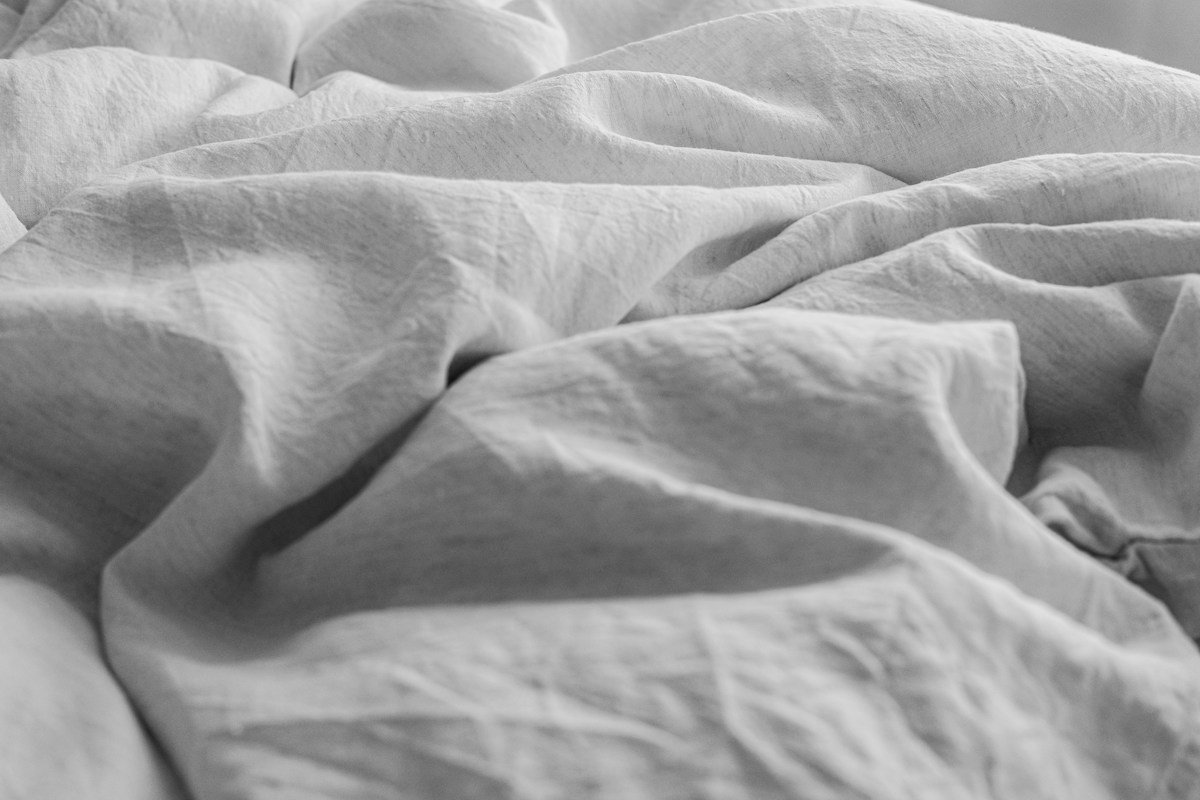
Investing in sleep quality is one of the most transformative decisions a homeowner can make for physical vitality, mental clarity, and daily well-being. Within the modern bedroom suite, no element interacts more intimately with human physiology than bed linens. While synthetic microfibers and chemically treated high-thread-count cottons dominate mass-market retail shelves, discerning interior designers and sleep wellness researchers consistently champion organic linen. Harvested from the resilient stalks of the European flax plant (Linum usitatissimum), pure linen represents one of the world’s oldest, most durable, and biologically intelligent natural textiles. When thoughtfully styled across a modern bedscape, organic linen balances raw, relaxed elegance with unmatched thermoregulatory performance.
The timeless appeal of organic linen lies in its unique balance of tactile softness and architectural structure. Unlike slippery synthetics or stiffly ironed percale sheets, linen possesses an effortless, lived-in drape characterized by natural slubs, gentle ripples, and subtle matte folds. This sculptural quality introduces rich organic texture into minimalist master suites, softening contemporary architecture without requiring fussy decorative pillows or formal bed skirts. As light washes across the rumpled linen surface, the microscopic hollow fibers scatter illumination softly, creating an inviting, tactile bed that encourages you to unplug from digital screens and sink into deep, restorative slumber.
Furthermore, contemporary bedding selection requires understanding fiber physics and non-toxic textile production. Linen is an extraordinary thermodynamic conductor: hollow flax fibers absorb up to twenty percent of their dry weight in ambient moisture before ever feeling damp, dissipating perspiration rapidly into the surrounding air to prevent night sweats. By adhering to international ecological certifications verified by the Global Organic Textile Standard, independent safety benchmarks maintained by OEKO-TEX, and sleep hygiene research compiled by the Sleep Foundation, this comprehensive guide delivers an authoritative roadmap for curating, layering, and caring for organic linen bedding throughout every season of the year.
Over the following technical modules, we will examine the botanical origins and styling possibilities of European organic flax. From debunking the thread-count myth and evaluating grams per square meter (GSM) densities to mastering seasonal layering palettes and implementing gentle laundry protocols, each chapter provides actionable design blueprints. Whether you are seeking relief from nocturnal overheating or designing a serene Japandi-inspired master bedscape, these proven principles will guide your journey toward effortless bedroom luxury and nightly restoration.
European Flax Agronomy and Microscopic Breathability Mechanics
The remarkable performance of pure linen begins in the fertile maritime fields of Western Europe, particularly across the coastal plains of France, Belgium, and the Netherlands. The temperate oceanic climate, regular rainfall, and rich alluvial soils of this region create ideal agricultural conditions for cultivating high-grade flax. Unlike thirsty cotton crops that demand thousands of liters of irrigation and intensive synthetic pesticides, flax is an inherently resilient, regenerative crop that thrives on natural rainfall alone, requiring zero artificial fertilizers or genetic modification.
At the microscopic level, the physical structure of a flax fiber distinguishes linen from every other textile on Earth. Flax fibers are bast fibers, harvested from the inner phloem bark of the plant stalk. Under electron microscopic magnification, each individual flax fiber reveals a polygonal cross-section surrounding a hollow central core known as the lumen. This hollow architecture acts as an open capillary network, allowing air to circulate freely through the weave while facilitating rapid moisture movement away from the sleeper’s skin.
The cellulose composition of flax is exceptionally crystalline, boasting higher molecular orientation and mechanical tensile strength than cotton. In fact, wet flax fibers exhibit up to twenty percent greater tensile strength than dry fibers, allowing pure linen sheets to withstand decades of repeated laundering without fraying or thinning. The natural presence of plant lignins and pectins binds the cellular structure together, imparting linen with its characteristic durability and distinctive tactile slub texture that softens with every wash cycle.
Environmental sustainability is deeply woven into the flax harvesting process. Farmers utilize traditional dew-retting methods, laying harvested flax stalks in open fields where natural dew, sunlight, and indigenous soil enzymes break down cellular pectins over several weeks. This biological separation process requires zero harsh industrial chemicals, preserving fiber purity and protecting local groundwater systems. Every part of the flax plant is utilized: long fibers become luxury bedding, short tow fibers become paper and twine, and flaxseeds are pressed into nutrient-rich linseed oils, ensuring absolute zero agricultural waste.
Thermoregulatory Physics: Natural Cooling and Winter Insulation
A common misconception among consumers is that linen is solely a summer fabric, reserved for coastal beach houses and tropical vacations. In physical reality, pure linen is a true four-season thermodynamic textile capable of keeping sleepers refreshingly cool during stifling July heatwaves while insulating cozy warmth during freezing January nights. Understanding the thermodynamic physics behind flax fibers reveals why linen excels across all four seasons.
During warm summer months, linen functions as a natural evaporative cooling system. Human skin continuously releases water vapor through insensible perspiration during sleep. When this vapor encounters non-breathable synthetic polyester or dense, tightly woven cotton, it becomes trapped beneath the sheets, elevating relative humidity and triggering midnight awakenings from night sweats. Linen fibers possess exceptional hygroscopic capacity, absorbing moisture rapidly and conducting it along hollow lumen channels toward the outer fabric face, where it evaporates into room air. This continuous evaporation cycle lowers microclimate temperatures beneath the covers by several degrees, allowing sleepers to remain dry, comfortable, and undisturbed.
Conversely, during winter months, the hollow core of flax fibers transforms into a thermal insulation shield. Trapped within each hollow fiber is stationary air: one of nature’s most effective thermal insulators. When layered beneath an organic wool quilt or down duvet insert, linen captures ambient body heat and holds it gently against the sleeper, preventing thermal loss into chilly bedroom air. Because linen maintains active moisture breathability even while trapping heat, sleepers never experience the clammy, suffocating overheating frequently caused by synthetic fleece or heavy flannel sheets.
Thermal conductivity measurements corroborate this dual-season mastery. The thermal conductivity of pure linen is significantly higher than wool or silk, allowing excess body heat to dissipate during rapid temperature spikes, while its high moisture absorption buffer prevents sweat accumulation. This biological equilibrium maintains skin microclimate temperatures within the narrow neutral zone essential for sustained slow-wave deep sleep, making organic linen the premier bedding foundation for couples with differing body temperature preferences.
The Thread Count Fallacy vs Grams Per Square Meter (GSM) Metrics
For decades, commercial bedding marketing has conditioned consumers to equate higher thread counts with superior fabric luxury. Retail brands tout staggering numbers of eight hundred, one thousand, or twelve hundred threads per square inch, implying that higher counts deliver supreme softness. In textile science, this metric is largely a deceptive marketing gimmick achieved by twisting multi-ply, low-grade thread strands together into synthetic bundles, resulting in dense, suffocating sheets that trap heat and pill quickly.
When shopping for authentic organic linen, the concept of thread count is completely irrelevant. Because flax fibers are naturally thick, robust, and textured, a square inch of premium linen typically contains only eighty to one hundred and forty threads. Attempting to force hundreds of thick linen threads into a tight square inch would produce heavy, cardboard-like canvas unsuited for bedding. Instead of thread count, international textile engineers measure linen quality through Grams Per Square Meter (GSM): the actual physical weight and fabric density of the woven textile.
Selecting the appropriate GSM dictates the drape, durability, and seasonal performance of linen bedding. For everyday year-round sleeping, the optimal weight range falls between one hundred and sixty and one hundred and eighty-five GSM. Bedding within this medium-weight bracket possesses substantial body and tear resistance while maintaining airy fluidity and effortless drape. Lightweight linens measuring under one hundred and forty GSM feel delicate and can wear thin prematurely, while heavy upholstery-weight linens exceeding two hundred GSM can feel stiff and bulky on the bed.
Weave density and yarn consistency represent additional quality indicators. Premium bedding utilizes long-staple flax yarns woven in a balanced plain weave (one thread over, one thread under). Inspecting the fabric surface should reveal subtle, organic slubs (natural variations in yarn thickness) without displaying large knots, loose hanging threads, or irregular gaps in the warp and weft grid. This uniform weave geometry ensures balanced airflow, balanced tension, and decades of tear-resistant reliability.
Stonewashed, Enzyme-Washed, and Chemical-Free Finishing Techniques
Freshly woven raw linen straight from the industrial loom can feel surprisingly crisp, stiff, and unyielding to bare skin. Historically, families spent decades washing and ironing heirloom linen sheets to achieve the buttery softness prized by European households. Modern textile craftsmanship accelerates this softening process through specialized pre-washing finishing methods, allowing homeowners to enjoy cloud-like softness from the very first night.
Traditional stonewashing represents the classic artisanal technique. Linen yardage is placed in large industrial tumbling drums alongside natural pumice volcanic stones. As the stones tumble against the fabric, their rough surfaces physically abrade and flex the exterior cellulose fibers, breaking down rigid plant pectins and softening the weave structure. While authentic stonewashing yields exceptional softness, it must be carefully monitored to prevent microscopic fiber fraying that can reduce fabric lifespan.
Contemporary organic bedding production favors advanced enzyme bio-washing. Rather than relying on physical stone abrasion, manufacturers utilize natural, biodegradable cellulose enzymes (cellulases) in warm water baths. These organic enzymes target and dissolve loose surface micro-fibrils on the flax fibers, smoothing the yarn surface and relaxing the weave without weakening the internal core tensile strength of the fabric. Enzyme washing requires significantly less water and electricity than traditional stonewashing, producing luxuriously soft linen while protecting the environment.
Homeowners must be vigilant against cheap chemical softening treatments. Lower-end manufacturers often coat raw linen in synthetic formaldehyde resins, silicone softeners, or chemical surfactants to mimic pre-washed softness. These artificial coatings wash out after three or four laundry cycles, leaving behind stiff fabric while releasing synthetic toxins against sleeping skin. Always verify that linen is certified free from chemical finishes, ensuring that softness is achieved through mechanical or biological washing rather than toxic chemical coatings.
Anatomy of the Layered Bedscape: Fitted, Flat, Duvet, and Coverlet Systems
Styling an organic linen bed is an art form that balances relaxed, lived-in aesthetics with tailored functional comfort. Unlike formal hotel bedding that demands razor-sharp hospital corners and wrinkle-free hospital sheets, linen celebrates soft, organic movement. Designing an inviting master bedscape requires layering distinct bedding components that can be adjusted dynamically based on personal sleep habits and nighttime temperatures.
The foundation begins with the fitted sheet. High-performance linen fitted sheets must feature deep pocket tailoring (sixteen to eighteen inches) equipped with continuous three-hundred-and-sixty-degree heavy-duty elastic bands. Deep pockets prevent corners from popping off modern luxury mattresses during tossing and turning, while robust elastic keeps the bottom sheet taut and smooth throughout the night. For a minimalist aesthetic, some designers forgo top flat sheets entirely, pairing the fitted sheet directly with a washable linen duvet cover in the European tradition.
The duvet cover serves as the primary visual canvas of the bed. Linen duvet covers should feature interior corner ties to anchor your down or wool insert securely, preventing annoying bunching and shifting inside the cover. Select closure details that complement your design style: concealed coconut shell buttons, mother-of-pearl buttons, or hidden zipper closures maintain clean architectural lines. Fold the top third of the duvet down toward the foot of the bed to expose contrasting sheets beneath, creating an inviting, layered depth that draws the eye into the bedscape.
Adding a secondary textured layer across the foot of the bed completes the design. A mid-weight waffle-knit linen coverlet, a quilted linen-cotton blanket, or a chunky raw wool throw injects rich tactile variety. Draping this accent piece casually across the lower third of the bed provides an easily accessible extra layer for cool midnight hours while breaking up large expanses of single-color fabric with sophisticated, layered richness.
Pillowscaping Architecture: Standard, King, Euro Shams, and Sleep Ergonomics
A master bedscape requires thoughtful pillow styling to establish proper visual height and ergonomic sleep support. The arrangement of sleeping pillows and decorative shams frames the headboard, providing comfortable back support for evening reading while defining the bed’s architectural presence within the room.
The classic European foundation utilizes oversized Euro shams (measuring twenty-six by twenty-six inches) positioned upright against the headboard. Enclosing Euro pillows in heavyweight linen shams featuring tailored flange borders (one to two inches) creates a crisp, architectural backdrop. In addition to visual structure, Euro pillows provide comfortable, upright lumbar support when sitting up in bed to read or enjoy morning coffee.
In front of the Euro shams, place your primary sleeping pillows (standard or king size) enclosed in breathable linen pillowcases. The physical texture of linen pillowcases offers remarkable physiological benefits for skin and hair health. Linen is naturally hypoallergenic and anti-static, minimizing facial friction and preventing sleep creases and frizzy morning bedhead. Furthermore, linen’s active moisture-wicking properties keep the pillow surface refreshingly cool throughout the night, reducing sleep disruptions caused by flipping warm pillows.
Complete the arrangement with one or two lumbar or accent pillows. A long, slender lumbar pillow (measuring fourteen by thirty-six inches) centered in front of the sleeping pillows provides a tailored, modern finishing touch. Choose an accent pillow in a complementary earth-tone shade (such as burnt terracotta, muted sage, or deep raw umber) to tie the bedscape directly into surrounding wall paint colors, creating an integrated, harmonious master suite.
Organic Dye Chemistries vs Low-Impact Pigments
The color palette of organic linen bedding should reflect the quiet, restful beauty of nature. How linen fibers are dyed directly affects colorfastness, fabric hand-feel, and non-toxic sleep safety. Selecting textiles colored with certified low-impact or organic dyes ensures vibrant, long-lasting hues that remain safe for prolonged skin contact.
Low-impact reactive dyes represent the gold standard for contemporary organic bedding. Unlike heavy-metal solvent dyes that require harsh mordants and produce toxic wastewater, reactive dyes bond chemically with cellulose fibers at neutral pH levels. Because the dye molecule becomes an integral part of the flax fiber itself, colors resist fading through dozens of hot laundry washes while maintaining exceptional crocking resistance (no color rub-off onto mattress protectors or clothing). Low-impact dyes are formulated free from toxic aromatic amines, heavy metals, and chlorinated carrier compounds.
Natural botanical dyes offer a bespoke alternative for purists seeking authentic organic craftsmanship. Dyes extracted from pomegranate rinds, madder root, indigo leaves, walnut husks, and weld flowers yield earthy, complex colors that carry subtle tonal variations. While natural plant dyes require gentle hand washing and can soften into a graceful patina over time, they celebrate ancient artisanal traditions and deliver absolute peace of mind for sensitive skin.
For an ultra-clean, minimalist aesthetic, unbleached and undyed natural linen (often labeled as flax, oatmeal, or raw) requires zero dye processing whatsoever. This raw fabric showcases the natural, unadulterated color of the harvested flax stalks, ranging from warm grey-beige to pale sandy wheat depending on the seasonal rainfall of the harvest year. Undyed linen represents the ultimate expression of sustainable purity, celebrating the honest, organic beauty of the earth.
Ecological Certification Standards: GOTS and OEKO-TEX Verification
With the rise of consumer interest in sustainable home goods, greenwashing has become rampant in the home textile industry. Brands frequently label synthetic blends or chemically bleached fabrics as natural, organic, or eco-friendly without independent verification. To guarantee that your linen bedding is truly organic and non-toxic, look for independent third-party certifications on product labels.
The Global Organic Textile Standard (GOTS) represents the world’s most rigorous certification for organic fibers. To earn GOTS certification, bedding must contain at least ninety-five percent certified organic natural fibers cultivated without synthetic pesticides, herbicides, or GMO seeds. Furthermore, GOTS audits the entire supply chain: from spinning and retting mills to dyeing houses and sewing factories: verifying strict environmental criteria (zero toxic dyes, mandatory wastewater treatment) and fair labor practices (safe working conditions, fair living wages, zero child labor).
The OEKO-TEX Standard 100 certification provides an equally vital safety benchmark. While GOTS focuses on organic agricultural origins and ethical manufacturing, OEKO-TEX certifies that the finished textile is completely free from harmful levels of over one hundred regulated chemicals, including formaldehyde, heavy metals, phthalates, pesticides, and allergenic colorants. Every single component of the bedding: including sewing threads, elastic bands, zippers, and buttons: must pass rigorous laboratory testing to earn OEKO-TEX Standard 100 Class I or Class II clearance.
European Flax and Masters of Linen certifications guarantee authentic geographical origin and traceability. These specialized European credentials certify that flax fibers were cultivated exclusively in Western Europe using sustainable, zero-waste, rain-fed agriculture. When buying organic linen bedding, verifying the presence of GOTS, OEKO-TEX, or European Flax labels ensures that you are investing in genuine, non-toxic luxury that supports ethical environmental stewardship.
Care and Maintenance Protocols for Decades of Fabric Longevity
One of the greatest virtues of organic linen is its extraordinary longevity. While synthetic sheets pill and thin out within two years, high-grade linen bedding can easily endure for fifteen to twenty years when cared for properly, growing softer and more supple with every laundering. Mastering gentle, natural laundry protocols protects delicate flax fibers and ensures your investment delivers lasting comfort.
Washing linen requires gentle treatment. Always wash linen in warm or cool water (eighty to one hundred degrees Fahrenheit) on a gentle or delicate cycle using a mild, pH-neutral liquid detergent formulated without optical brighteners, synthetic perfumes, or bleaching agents. Never use chlorine bleach on linen, as it rapidly degrades the natural cellulose fibers, causing premature tearing and yellowing. Avoid fabric softeners entirely: silicone-based softeners coat flax fibers in a waxy film that clogs hollow lumens, destroying linen’s natural moisture-wicking and breathability capabilities.
Drying protocols dictate fabric softness and wrinkle control. Line drying outdoors in gentle breezes is the traditional European method, allowing fresh air to fluff the fibers while sunlight naturally brightens whites. If using a modern tumble dryer, dry linen on low heat or delicate air-fluff settings until the fabric is approximately eighty-five percent dry, then remove it while still slightly damp to finish air drying. High dryer heat over-dries flax fibers, making them brittle and inducing harsh, stubborn wrinkles.
Embrace linen’s natural, relaxed texture and skip the iron. The natural rumpled drape of pure linen is its greatest design asset, communicating effortless luxury and warmth. If you prefer a crisper look for pillow shams or duvet flanges, iron the fabric while it is still damp using a medium-hot steam setting. Storing off-season linen sets in breathable cotton storage bags (never sealed plastic bins) allows natural air circulation, preventing moisture buildup and keeping your bedding fresh until the next season.
Sensory Tactile Psychology and Tactile Sleep Anchoring
The neurobiology of human touch plays an underestimated role in sleep induction. When the body rests beneath bedding, millions of cutaneous mechanoreceptors in the skin continuously send sensory signals to the brain. Synthetic fibers like polyester and acrylic create a plasticized, static-charged micro-friction that subtly stimulates the sensory nervous system, preventing complete muscular relaxation. In contrast, organic linen provides a grounding, natural tactile experience that functions as a physical anchor for restful sleep.
The natural slubs and variable weave textures of pure linen offer gentle tactile stimulation that promotes sensory grounding. Similar to how weighted blankets ease anxiety through deep pressure stimulation, the substantial weight and breathable drape of medium-weight linen (170 GSM) impart a comforting sense of physical security without excessive heat. As the body settles into bed, the absence of synthetic static charges and chemical residues allows the nervous system to shift from high-alert sympathetic activity into calm parasympathetic restoration.
Furthermore, linen creates an acoustic environment that supports uninterrupted sleep. Unlike crisp, high-thread-count cotton percales that produce sharp, rustling sounds with every toss and turn, stone-washed and enzyme-washed linen absorbs sound. Its relaxed, supple drape moves quietly against mattress covers and duvets, eliminating sudden rustles that can awaken light sleepers or sensitive partners during the night.
Seasonal Color Transition Schemes for Organic Bedscapes
Adapting your linen bedding palette across the seasons transforms the master bedroom in harmony with the natural world outside. Rather than purchasing entirely new bedding sets for each season, a versatile organic linen collection allows you to rotate accent layers while maintaining a consistent neutral foundation.
During the bright, warm months of spring and summer, design an airy, light-filled bedscape. Use a crisp oatmeal or unbleached flax fitted sheet as your base, paired with a cloud-white linen duvet cover. Introduce subtle hints of morning nature by folding a pale sage or washed eucalyptus linen coverlet across the foot of the bed. This light, organic palette reflects summer sunlight and creates a visually cool oasis during hot, humid afternoons.
As autumn arrives and winter temperatures drop, transition the bedscape into a warm, cocooning retreat. Retain your neutral linen fitted sheet, but switch to a deep, earthy duvet cover in rich terracotta, warm desert ochre, or burnt cinnamon. Layer a heavy, waffle-weave charcoal or deep espresso wool-linen throw across the lower third of the bed. The deeper mineral pigments absorb warm evening lamplight, visually warming the bedroom and creating an inviting haven against cold winter nights.
Hypoallergenic Performance and Natural Dust Mite Defense
Indoor air quality and bedroom allergen management are critical considerations for individuals with asthma, skin sensitivities, or chronic allergies. Traditional bedding materials frequently become breeding grounds for microscopic dust mites, pet dander, and fungal spores. Organic linen possesses inherent biochemical and physical properties that make it a formidable natural barrier against common household allergens.
The secret to linen’s hypoallergenic power lies in its natural plant lignins and moisture-wicking speed. Dust mites require warm, humid environments (exceeding fifty percent relative humidity) to feed and reproduce. Because hollow flax fibers release moisture into room air almost instantaneously, linen prevents the damp, clammy microclimates inside mattresses and pillowcases where dust mites thrive. Without standing moisture, dust mite populations drop dramatically, alleviating nighttime sneezing, nasal congestion, and morning sinus headaches.
Additionally, pure organic linen is completely static-free. Synthetic fabrics and polyester blends build up electrostatic charges that actively attract airborne dust particles, lint, and pet dander from bedroom air. Because linen holds zero static charge, dust particles do not cling to its surface, keeping sheets cleaner between washes. For individuals managing eczema or contact dermatitis, the smooth, chemical-free surface of GOTS-certified organic linen eliminates micro-abrasions, allowing irritated skin to heal peacefully overnight.
Mattress Compatibility and Airflow Circulation with Slatted Bed Frames
The breathability of organic linen sheets performs at its highest potential when coordinated with a breathable mattress and foundation system. Placing luxury linen bedding over an unventilated solid platform or non-breathable memory foam mattress creates an airflow bottleneck that restricts moisture evaporation. To achieve an optimal sleeping microclimate, every layer of the bed must participate in active air exchange.
Natural latex and pocket-coil mattresses represent the premier pairings for organic linen. Organic latex, harvested from the sap of rubber trees, features an open-cell pin-core structure that circulates air naturally beneath the sleeper’s body weight. When paired with pocket coils wrapped in breathable cotton, air flows effortlessly through the mattress core, allowing the moisture absorbed by linen sheets to evaporate downward and outward through the foundation.
Bed frame engineering completes the airflow loop. Rather than setting mattresses directly on flat plywood sheets or solid box springs that trap heat, utilize slatted solid wood bed frames with slats spaced two to three inches apart. This open slatted foundation allows continuous air movement beneath the mattress, preventing heat build-up and stopping humidity condensation from settling beneath the mattress. By harmonizing slatted timber foundations, breathable organic mattresses, and pure European linen bedding, you create an integrated, high-performance sleep system that keeps you comfortable, cool, and refreshed night after night.
Comparative Diagnostic Matrix of Natural Bedding Fiber Materials
Selecting the ideal bedding material requires balancing breathability, thermal regulation, durability, tactile texture, and environmental impact. While linen remains the premier choice for relaxed, breathable sleeping comfort, comparing it against other popular natural fibers helps homeowners understand the trade-offs of each textile family.
To assist homeowners and design connoisseurs in choosing the perfect bedding for their master bedroom, the following comparative matrix breaks down the four premier natural bedding materials across critical performance, comfort, and maintenance metrics. Review these parameters carefully before finalizing your bedroom textile investments.
| Fiber Material | Moisture Wicking | Durability Lifespan | Thermoregulation | Tactile Aesthetic | Environmental Footprint |
|---|---|---|---|---|---|
| European Organic Flax Linen | Exceptional (Up to 20% Dry Wt) | 15 – 25 Years (Softens Over Time) | Superior (Hollow Core Breathers) | Relaxed, Slubbed Organic Drape | Ultra-Low (Rain-Fed, Zero Waste) |
| Long-Staple Organic Cotton | Moderate-High (8% – 10%) | 5 – 8 Years (Weakens With Washing) | Moderate (Weave Dependent) | Crisp, Smooth Hotel Percale | Moderate (High Water Consumption) |
| Mulberry Silk | High (11% Absorption) | 3 – 6 Years (Delicate Protein Fibers) | Good (Lightweight Insulation) | Lustrous, Glossy Slippery Sheen | Moderate (Sericulture Processing) |
| Bamboo Viscose / Lyocell | High (13% Absorption) | 2 – 4 Years (Prone to Pilling) | Cool Initial Hand (Slippery Feel) | Silky, Synthetic-Like Liquid Drape | High (Chemical Viscose Extrusion) |
As this comparative matrix clearly shows, European organic flax linen stands unmatched in longevity, moisture management, and ecological sustainability. While organic cotton delivers a classic crisp hotel feel and mulberry silk offers delicate beauty, neither fabric matches linen’s hollow-core breathability or ability to grow softer over decades of daily use. Consider your personal tactile preferences and environmental values before committing to your master bedding foundation.
Frequently Asked Questions About Organic Linen Bedding
Does linen bedding really keep you cool during summer heat?
Yes, linen is scientifically recognized as one of the most effective natural cooling fabrics in existence. Because flax fibers are hollow, they allow air to circulate freely beneath the sheets while conducting body heat away from your skin. Furthermore, linen can absorb up to twenty percent of its weight in moisture before feeling damp, rapidly wicking away nighttime sweat to keep your sleep environment dry, cool, and comfortable.
Is linen bedding scratchy or stiff when brand new?
Modern pre-washed organic linen is soft and comfortable from the very first night. Premium bedding brands utilize gentle stonewashing or natural bio-enzyme washing to break down rigid plant pectins, yielding a buttery, relaxed texture right out of the packaging. With each wash cycle, the cellulose fibers continue to relax and soften, making heirloom-quality linen softer the longer you own it.
What is the ideal GSM weight for linen sheets?
The ideal weight for year-round linen bedding is between one hundred and sixty and one hundred and eighty-five GSM (grams per square meter). Linens within this medium-weight bracket offer optimal tear resistance and durability while maintaining airy breathability and soft, fluid drape. Lighter fabrics can wear out quickly, while heavier weights may feel stiff and unyielding on the bed.
Why is thread count not used to measure linen quality?
Thread count is a misleading metric for linen because flax fibers are naturally thick, textured, and strong. While fine cotton fits hundreds of threads into a square inch, premium linen naturally contains only eighty to one hundred and forty threads. Measuring linen by thread count would be like measuring wool sweaters by thread count. The true mark of linen quality is fabric weight (GSM) and the agricultural origin of the flax fibers.
Can I wash linen bedding in a regular washing machine?
Yes, linen can be washed in standard household washing machines on a gentle or delicate cycle using warm or cool water. Use a mild, pH-neutral liquid detergent formulated without optical brighteners, bleaching agents, or synthetic perfumes. Avoid fabric softeners and bleach, as they coat or degrade the natural fibers and destroy linen’s natural breathability.
Do I have to iron linen bedding for it to look stylish?
No, ironing linen is completely unnecessary and counter to modern relaxed interior design aesthetics. The natural rumpled texture and soft ripples of pure linen are celebrated facets of its organic luxury. Embracing linen’s lived-in drape brings warmth, comfort, and unpretentious elegance to contemporary bedrooms without the chore of ironing.
Is organic linen suitable for people with allergies or eczema?
Yes, organic linen is naturally hypoallergenic, anti-static, and antibacterial, making it an exceptional choice for individuals with sensitive skin, allergies, or eczema. Because flax fibers are certified free from synthetic chemical finishes and pesticides, linen will not irritate sensitive skin. Its moisture-wicking properties also prevent the damp microclimates that dust mites and bacteria require to thrive.
How long does high-quality organic linen bedding last?
When cared for using gentle laundering practices, high-quality European linen bedding can easily last fifteen to twenty-five years. Flax fibers are approximately thirty percent stronger than cotton and become even stronger when wet. Rather than breaking down, genuine linen grows softer, suppler, and more beautiful over decades of continuous use.
What certifications should I look for when buying organic linen?
Look for Global Organic Textile Standard (GOTS) and OEKO-TEX Standard 100 certifications on product packaging. GOTS verifies that the flax was grown organically without synthetic pesticides and processed under strict environmental and ethical labor standards. OEKO-TEX confirms that the finished textile is laboratory-tested and certified free from toxic chemicals, heavy metals, and harmful dyes.
Does organic linen bedding require special detergent?
Yes, organic linen performs best when washed with gentle, plant-based liquid detergents formulated with a neutral pH. Avoid standard commercial laundry detergents containing optical brighteners, synthetic fragrances, chlorine bleach, or enzyme boosters designed for synthetic activewear. Harsh alkaline detergents strip the natural protective pectins from flax fibers, accelerating fiber brittleness. Choosing eco-friendly, mild detergents keeps flax fibers soft, supple, and naturally durable for decades of daily sleep comfort.
Concluding Blueprint for a Timeless, Restorative Linen Bedscape
Curating an organic linen bedscape is an investment in both interior beauty and restorative health. By welcoming the ancient wisdom of European flax into your master bedroom, you transform your sleeping chamber into a serene, tactile sanctuary that supports natural circadian recovery and brings effortless elegance to your daily routine.
Begin your bedding journey by selecting certified European flax certified by GOTS or OEKO-TEX in a versatile medium-weight range between one hundred and sixty and one hundred and eighty-five GSM. Layer your bed with organic earth tones: warm ivory fitted sheets, relaxed flax duvet covers, and contrasting waffle-knit throws: to create a tactile bedscape that invites you to rest. Follow gentle washing protocols to ensure your sheets remain a cherished heirloom for decades.
Ultimately, true bedroom luxury is not measured in high thread counts or rigid hospital corners; it is found in the honest comfort of natural materials that breathe with your body and bring tranquility to your home. By embracing the styling principles, fiber science, and maintenance practices detailed in this guide, your linen bedscape will deliver deep comfort, timeless beauty, and restorative rest for years to come.