
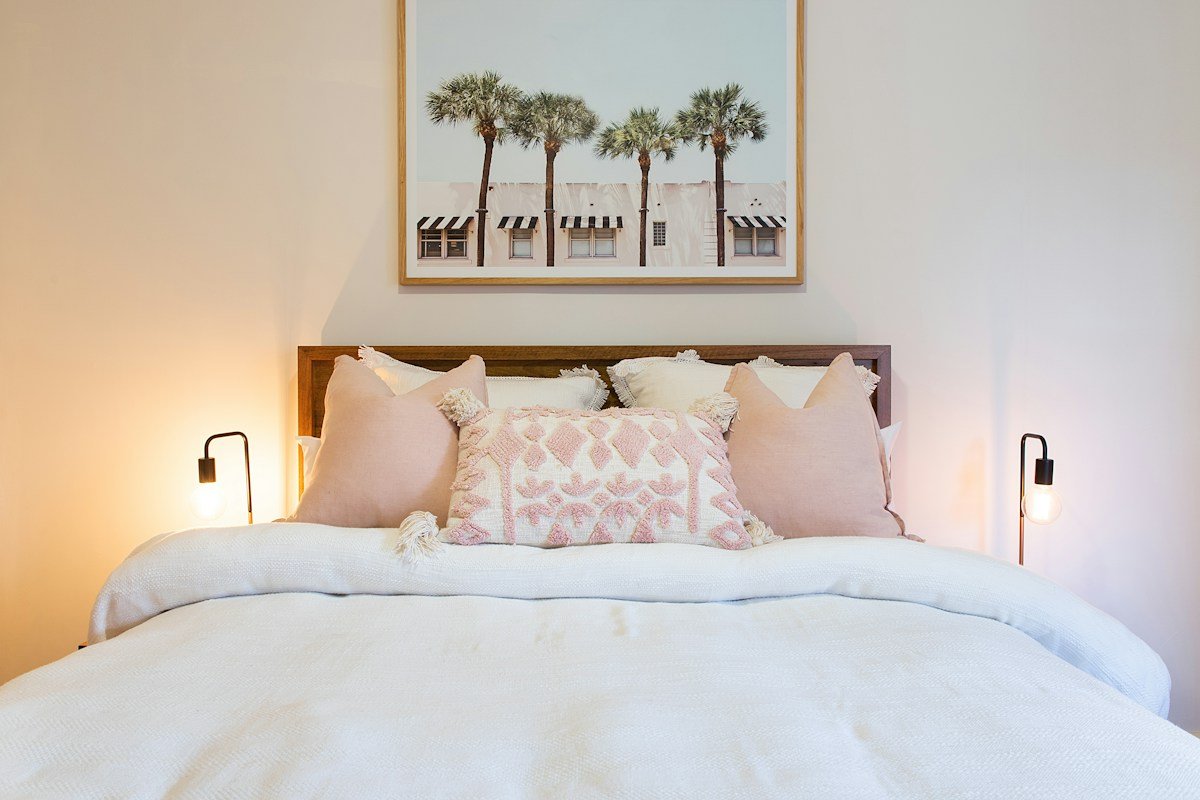
Stepping into a boutique five-star hotel room reveals a masterclass in domestic presentation where the bed stands as an irresistible focal point of sculptural comfort. In residential interiors, crafting an impeccably styled bed requires far more than tossing a generic comforter over wrinkled cotton sheets. A truly luxurious bed is an architectural composition built upon thoughtful proportions, varied tactile textures, and responsive microclimates tailored to biological sleep wellness. When duvets, lightweight quilts, structural shams, and artisanal accent pillows are layered harmoniously, the bedroom transforms into a tranquil personal retreat that balances everyday functionality with editorial aesthetics.
Mastering the discipline of layered bed styling bridges the gap between high-end interior architecture and restorative sleep therapy. Every textile layer interacts with the human sensory nervous system, contributing tactile feedback, thermal insulation, and visual calm. By transitioning away from one-piece polyester comforters toward modular, breathable components, homeowners gain precise control over nighttime temperature regulation while elevating room design. As ambient natural light shifts throughout the day, the gentle interplay of linen weaves, matelasse stitching, down loft, and velvet textures creates subtle shadows that enrich minimalist and transitional interior spaces alike.
Designing an enduring bedscape requires grounded knowledge in textile construction, organic material certifications, and ergonomic sleep hygiene. Integrating certified standards from the Global Organic Textile Standard, fiber health benchmarks maintained by OEKO-TEX, down welfare verifications from the Responsible Down Standard, and sleep hygiene research established by the Sleep Foundation ensures that every selection fosters physical well-being. This comprehensive guide walks through the architectural anatomy of bed styling, delivering professional formulas for duvet fills, pillow proportions, quilt draping methods, and harmonious palette curation.
Across the detailed sections below, you will explore the full spectrum of layered bedding mechanics. From selecting baseline mattress protectors and deep-pocket fitted sheets to calculating fill power loft, staging European shams, and mastering casual waterfall throw drape configurations, each chapter delivers actionable expertise. Whether your goal is curating an inviting Scandinavian sanctuary or designing an opulent transitional master suite, these field-tested styling techniques will elevate your everyday sleep sanctuary into a timeless aesthetic triumph.
Foundation Architecture: Mattress Preservation and Base Sheet Fit
Every successful bed composition rests upon a concealed structural foundation. Attempting to style delicate quilts and lofty duvets atop an unstable, ill-fitting sheet foundation produces sagging corners, untidy bunched fabric, and constant nighttime disruption. The first critical layer is an impermeable, breathable mattress encasement or protector. Modern hybrid, latex, and memory foam mattresses produce residual heat and collect microscopic allergen particles. Selecting an unquilted protector crafted from natural bamboo jersey or certified organic cotton lined with a microscopic breathable polyurethane barrier shields the mattress investment while preserving the designed responsiveness of internal coil networks.
Immediately above the protector sits the fitted sheet, an element that requires meticulous dimension matching. Standard retail fitted sheets frequently present pocket depths between twelve and fourteen inches, whereas contemporary pillow-top mattresses and mattress topper combinations often measure sixteen to eighteen inches in profile height. When a fitted sheet lacks adequate pocket depth, corner elastic slips during sleep, creating loose waves across the sleeping plane that destabilize upper layers. Always measure mattress height with a rigid carpenter ruler, adding two extra inches of depth allowance so the elastic perimeter anchors firmly beneath the underside of the mattress core.
Thread composition and weave mechanics govern the tactile experience of base sheets. Long-staple Egyptian or Supima cotton woven in a crisp percale weave offers unparalleled breathability for warm sleepers, boasting a matte finish that remains cool against the skin. In contrast, cotton sateen weaves provide a denser four-over-one yarn structure that produces a gentle lustrous sheen and a heavier drape well-suited for cooler climates. For homeowners who favor an effortless, organic aesthetic, garment-washed European flax linen provides unmatched tactile depth, softening through continuous laundering cycles while introducing natural character that enriches relaxed contemporary decor.
The decision to include a traditional flat sheet remains an ongoing debate among design professionals. In classic hospitality styling, an oversized flat sheet folded with crisp military hospital corners provides a clean barrier that protects coverlets from bodily oils, minimizing the laundering frequency of heavier decorative layers. European bedding methodology, however, frequently omits the flat top sheet entirely in favor of an easily washable duvet cover. Whichever approach you choose, ensure the base sheet plane is stretched drum-tight before proceeding to mid-layer quilt styling, as a taut base provides the essential smooth canvas for subsequent structural layers.
Textile Science: Thread Count Fallacies and Fiber Physics
For decades, commercial bedding retailers promoted the myth that thread count serves as the sole indicator of textile luxury. Consumers were conditioned to believe that a one-thousand-thread-count sheet set automatically surpassed a three-hundred-thread-count alternative. In textile reality, exorbitant thread counts are frequently manufactured using deceptive multi-ply yarn techniques, twisting inferior short-staple cotton threads together to artificially inflate counts. These dense, heavy fabrics trap body heat, pill aggressively after minimal laundering, and lack the supple airflow essential for healthy restorative sleep.
True luxury relies on fiber staple length rather than artificial thread metrics. Extra-long staple cotton varieties, such as authentic Egyptian Giza cotton or American Supima, boast individual fibers exceeding one and three-eighths inches in length. When spun into fine single-ply yarns, these extended fibers create remarkably strong, silky threads with minimal exposed fiber ends. A genuine single-ply percale sheet with a thread count between two hundred and eighty and three hundred and fifty outperforms an eight-hundred-count multi-ply sheet in breathability, tear resistance, and hand feel.
When incorporating European flax linen into your layered bed, the relevant measurement shifts from thread count to grams per square meter (GSM). High-grade bedding linen typically ranges between one hundred and sixty-five and one hundred and eighty-five GSM. Fabrics below one hundred and fifty GSM feel paper-thin and exhibit premature seam splitting, while linen above two hundred GSM can feel excessively rigid and heavy on the body. A medium-weight, stone-washed Belgian or French linen offers the ideal balance: durable enough to endure decades of gentle washing while delivering the relaxed, sculptural drape celebrated in modern editorial bedroom styling.
Beyond cotton and flax, emerging botanical fibers like lyocell and modal derived from sustainably harvested eucalyptus or beechwood pulp offer distinct tactile advantages. Woven into a silky sateen or twill structure, lyocell exhibits a microscopic surface smoother than silk, providing exceptional thermo-regulation and skin comfort for individuals suffering from contact allergies or eczema. Understanding these textile characteristics allows you to mix and match base layers intentionally, establishing a customized foundation that caters to your personal sleep physiology.
Core Warmth Engineering: Duvet Inserts, Fill Power, and Baffle-Box Construction
The duvet insert functions as the primary engine of warmth and physical presence within a layered bedscape. A common styling flaw in master bedrooms is a flat, deflated duvet that fails to fill its outer cover, leaving empty fabric pockets and an unrefined appearance. Achieving that coveted cloud-like boutique hotel loft requires an understanding of fill weight, loft expansion physics, and internal chamber stitching methods that maintain balanced insulation across every square inch of the bed.
When evaluating natural down inserts, fill power serves as the decisive metric of quality and volume. Fill power measures the volume in cubic inches occupied by a single ounce of down clusters under laboratory testing conditions. Standard entry-level duvets range between five hundred and six hundred fill power, yielding moderate loft and heavier physical weight. Premium luxury duvets range between seven hundred and eight hundred and fifty fill power, utilizing expansive down clusters that trap massive volumes of insulating air while remaining featherlight on the body. This high fill power creates lofty visual volume that fills out decorative linen and percale covers without generating oppressive heat.
Internal shell architecture is equally vital in preventing cold spots and fill clumping. Budget duvets utilize sewn-through box stitching, where the top and bottom fabric covers are sewn directly together in square grids. This method creates zero-insulation compression seams along every stitch line, leading to rapid heat loss and drafts. Superior duvet construction employs three-dimensional baffle-box walls, where vertical mesh fabric strips are stitched between the upper and lower shells. These interior baffle walls allow down clusters to expand to their full volumetric potential, eliminating cold spots and preventing fill migration toward the edges of the bed.
For individuals with respiratory sensitivities or ethical preferences against animal plumage, contemporary down-alternative inserts offer remarkable engineering advances. Micro-denier polyester fibers, recycled polymer gels, and organic silk fills replicate down cluster mechanics with impressive accuracy. To match the grand visual profile of high-fill-power down, many interior designers employ the professional secret of sizing up: encasing a King-sized down-alternative insert inside a Queen-sized duvet cover, or layering two medium-weight inserts within a single high-thread-count shell to produce immense tactile volume and sculptural loft.
Shell casing specifications for the duvet insert itself must not be overlooked. Look for down-proof cambric cotton casings with a thread count of three hundred or higher and double-stitched piped edges. This tightly woven casing prevents fine down plumules from escaping through the weave while protecting the internal fill from body oils and microscopic dust mites. Securing corner loops at all four corners: and ideally midway along each edge: guarantees that the insert stays perfectly anchored within the duvet cover, eliminating nocturnal shift and uneven bunching.
Texture and Drape Dynamics: Quilts, Coverlets, and Matelasse Mid-Layers
While the duvet delivers loft and warmth, the quilt or coverlet introduces essential visual texture, architectural definition, and mid-weight flexibility. Positioned between the baseline sheet and the duvet, this intermediate layer serves as a responsive thermoregulatory buffer during temperature shifts while breaking up the visual monotony of large monochromatic fabrics. The dimensional contrast between a flat sheet, a textured quilt, and a puffy duvet forms the aesthetic foundation of high-end bedroom styling.
Textile selection dictates the mood and formal tone of the mid-layer. Traditional hand-stitched kantha quilts and diamond-quilted linen coverlets impart artisanal charm, celebrating tactile imperfections that soften sleek modern architecture. Matelasse fabrics, woven on intricate jacquard looms, produce a dimensional embossed appearance that mimics hand-quilting without requiring internal batting. This lightweight, structured weave drapes crisply over mattress edges, creating clean architectural lines that ground the bedscape and conceal lower sheet margins with refined sophistication.
Strategic folding configurations determine how the mid-layer interacts with the surrounding bedding components. One favored editorial configuration involves spreading the quilt smoothly across the entire bed, pulling it up to within six inches of the headboard, and folding the top edge back over itself along with the flat sheet cuff. The lofty duvet is then folded into a neat triple accordion fold across the bottom third of the bed. This layout highlights the intricate stitching of the quilt while keeping the duvet instantly accessible should nocturnal temperatures dip.
Alternatively, the half-bed layering strategy positions the quilt folded lengthwise across the lower half of the mattress, resting directly atop a fully spread duvet. This technique introduces rich textural contrast across the foot of the bed while breaking up expansive spans of plain duvet fabric. By choosing a quilt in an earthy tone that contrasts with an ivory or oatmeal duvet, designers establish a visual hierarchy that guides the eye toward the plush pillow arrangement at the head of the bed.
In warmer climates or during summer months, the quilt frequently assumes the primary sleeping role. Storing the duvet folded at the foot of the bed allows sleepers to rest beneath the breathable weight of a cotton or linen coverlet throughout the humid hours of the night. If temperatures drop before dawn, pulling the folded duvet up over the mid-layer requires minimal effort, providing instantaneous warmth without disrupting your sleep partner.
Pillow Architecture and Ergonomic Staging Configurations
Pillows represent the focal crown of any styled bed, dictating visual height, balance, and luxury cues. Achieving a professional pillow presentation requires understanding geometric scales, filling densities, and disciplined layering rules. An undisciplined scattering of random cushions creates clutter, while an overly rigid line of identical pillows feels stiff and uninviting. Balancing structured backdrop elements with softer accent cushions produces a balanced, inviting sanctuary.
The foundation of any pillow arrangement begins with European shams, which measure twenty-six by twenty-six inches. These large square anchors stand directly against the headboard, establishing vertical presence and concealing the gap between the mattress surface and wall architecture. For a standard Queen bed, two Euro shams provide full spatial coverage; for an expansive King bed, three Euro shams are required to span the wider headboard width. Euro shams should always feature feather-down inserts sized two inches larger than the sham cover (twenty-eight by twenty-eight inches) to ensure plump corners that stand upright without collapsing forward.
Positioned directly in front of the Euro shams are your primary sleeping pillows encased in standard or king pillowcases matching the base sheet set. Many interior stylists favor tucking the sleeping pillows horizontally behind the Euro shams during daylight hours to protect sleeping surfaces from airborne dust. Alternatively, pairing two sleeping pillows in matching linen shams with flange borders directly in front of the Euro foundation creates an architectural tier that transitions gracefully toward decorative accents.
The forward decorative layer introduces personality, pattern, and sculptural form. The classic transitional formula incorporates two twenty-inch square accent cushions flanked by a central lumbar pillow measuring twelve by twenty-four inches or fourteen by thirty-six inches. Long oversized lumbars have become an interior design staple for modern spaces, offering a streamlined aesthetic that grounds King beds without requiring multiple smaller pillows. Down-blend inserts with a ninety-ten feather-to-down ratio are essential for decorative cushions, allowing for a gentle designer chop across the top edge that signals bespoke, handcrafted luxury.
For sleepers who utilize specialized ergonomic memory foam or cervical contour pillows for neck support, styling can present a practical challenge. These therapeutic pillows often feature unconventional ergonomic curves that clash with symmetrical bed staging. A practical design solution is placing ergonomic pillows flat on the mattress and concealing them behind decorative Euro shams during the day, or enclosing them within custom-tailored linen shams featuring tailored flanges that visually mask the contoured foam interior.
Sensory Accent Drapes: Throws, Fringes, and Waterfall Cascade Methods
The final horizontal component of a layered bedscape is the accent throw, a versatile element that adds seasonal color, tactile warmth, and organic movement. An unadorned duvet can sometimes appear overly flat or sterile; introducing a tactile throw across the foot of the bed disrupts monotony and provides an accessible layer for midday reading, resting, or meditation. The choice of throw material should deliberately contrast with the primary duvet fabric to maximize sensory richness.
Material texture plays a pivotal role in selecting the ideal throw. Heavy gauge waffle-knit wool, boiled alpaca, brushed cashmere, and raw fringed slub linen offer tactile richness that invites touch. If your primary duvet features smooth percale cotton, opt for a chunky cable-knit or bouclé throw to inject depth. Conversely, if your bed showcases a relaxed rumpled linen duvet, a sleek woven herringbone wool throw with delicate twisted fringe provides architectural contrast and crisp tailored definition.
Styling methods for accent throws generally fall into two distinct aesthetics: tailored precision or relaxed organic draping. The tailored fold entails smoothing the throw into a clean, horizontal runner measuring eighteen to twenty-four inches in width, placed across the lower third of the bed with equal overhang on both sides. This symmetrical presentation complements traditional, transitional, and contemporary master bedrooms, imparting order and tailored composure.
For relaxed, bohemian, or Scandinavian spaces, the casual waterfall drape introduces dynamic sculptural energy. To achieve this look, gather the throw loosely at its center point and cast it across one lower corner of the bed, allowing the fabric to cascade organically down the footboard and lateral mattress rail. Arrange the natural ripples so they catch ambient natural lighting, ensuring the fabric looks artfully lived-in rather than carelessly dropped. This soft asymmetrical flourish humanizes minimalist bedrooms, transforming stark architecture into a welcoming sanctuary.
Throw scale must correspond directly to mattress dimensions. A compact fifty-by-sixty-inch throw blanket looks charming when draped over an armchair, but can appear disappointingly diminutive when stretched across a vast California King bed. For King and California King installations, source oversized throws measuring at least sixty by eighty inches, or purpose-woven bed runners measuring twenty-four by ninety-six inches. Proper sizing ensures the throw drapes gracefully past the mattress edge without appearing skimpy or taut.
Color Theory and Harmonic Chromatic Layering for Restorative Sleep
Chromatic balance within the bedroom profoundly influences nervous system regulation, circadian rhythm stability, and visual tranquility. Layered bedding offers a versatile canvas for color experimentation because individual components can be swapped without altering permanent architectural finishes or costly furniture pieces. Successful color curation relies on tonal layering, where multiple values of a single color family are harmonized across varying textile textures.
Monochromatic neutral palettes remain the benchmark for timeless residential luxury. Rather than relying on stark hospital whites, designers layer warm alabaster, unbleached oat, creamy beige, and soft greige. By varying textile materials across this tight chromatic spectrum: pairing a creamy percale base with a stone-washed oatmeal linen duvet, an ecru matelasse quilt, and camel wool accents: the bed achieves depth without high visual contrast. This monochromatic harmony promotes mental decompression, signaling the brain that the bedroom is a serene environment dedicated to rest.
For homeowners who appreciate color, nature-inspired earth tones provide an organic foundation. Sage green, terra cotta, washed indigo, warm ochre, and muted clay echo raw landscape elements, establishing an earthy aesthetic that pairs beautifully with natural wood furnishings and woven indoor plants. When layering earth tones, utilize the 60-30-10 interior palette rule: sixty percent dominant neutral across sheets and primary duvet, thirty percent secondary organic hue through the quilt or coverlet, and ten percent saturated accent tone through decorative velvet cushions and an artisanal throw blanket.
Pattern integration requires discipline to avoid overwhelming the senses. A layered bed should never compete with bold bedroom wallpaper or patterned area rugs. If introducing patterns onto the bed, limit motifs to subtle, small-scale prints: such as delicate pinstripes, windowpane checks, or soft botanical block prints: on secondary shams or mid-layer quilts. Ground these patterned elements with generous fields of solid, textured neutrals to maintain balance and visual breathing room.
Seasonal color transitions allow you to refresh your interior aesthetic without major remodeling costs. As spring and summer arrive, transitioning from deep charcoal or rust accents toward crisp chalk whites, pale celadon, and sun-washed taupe instantly brightens the room and enhances natural ventilation. In autumn, introducing rich cinnamon, moss green, and dark umber tones infuses the space with enveloping warmth, preparing the senses for cozy winter evenings.
Seasonal Layering Blueprint: Calibrating Bedding Across Twelve Months
A bed should never remain static throughout the changing seasons. Biological sleep research consistently confirms that human internal core temperatures must drop by one to two degrees Fahrenheit to initiate and sustain restorative sleep. Maintaining an identical bedding configuration through humid summer nights and sub-zero winter temperatures forces mechanical HVAC systems to overcompensate and frequently leads to interrupted sleep cycles. Designing a modular bedding system allows you to adapt layers effortlessly throughout the year.
During the peak summer months, the bedding configuration should prioritize heat dissipation and maximum airflow. Retire heavy down duvets to climate-controlled storage, replacing them with a crisp, low-GSM European linen flat sheet paired with an ultra-lightweight matelasse coverlet or breathable waffle-knit cotton blanket. Keep the folded linen duvet stored at the base of the bed purely for aesthetic volume, pulling it up only during unseasonably cool mornings. Bamboo-derived lyocell and open-weave percale sheets offer exceptional moisture wicking, ensuring hot sleepers remain comfortable throughout muggy summer nights.
As autumn arrives and evening temperatures drop, introduce the primary mid-layer quilt. Swap lightweight percale sheets for warm brushed cotton or medium-weight linen, and insert a versatile all-season down duvet into your decorative cover. The quilt now serves as a functional heating layer: sleep beneath both the quilt and duvet during cold nights, or fold the duvet back and rest comfortably beneath the quilt when ambient indoor temperatures remain mild. This dual-layer adaptability provides flexible comfort without requiring disruptive midnight thermostat adjustments.
In deep winter, the bed reaches its peak layered expression. The base foundation can incorporate brushed flannel or dense sateen cotton, topped with an insulating wool or cotton-batting quilt. The primary duvet insert should boast a fill power of seven hundred and fifty or higher with heavyweight baffle-box construction. Drape a dense boiled wool or alpaca throw across the foot of the bed for localized foot warmth. By capturing pockets of insulating air between multiple breathable natural fibers, this winter assembly provides enveloping warmth without the stifling heaviness associated with synthetic fleece.
During transitional spring months, unpredictable temperature swings require responsive flexibility. A layered combination of a medium percale flat sheet, a lightweight cotton gauze quilt, and a light-fill down duvet insert folded across the mattress foot allows effortless modulation. If an unexpected spring freeze occurs, simply unfold the duvet over the gauze quilt; during balmy spring nights, sleep under the breathable cotton gauze alone to maintain optimal thermal comfort.
Hygiene Science and Daily Bed-Making Choreography
Maintaining the visual grandeur and hygienic freshness of an intricately layered bed requires thoughtful maintenance routines. Beds accumulate moisture, shed epithelial skin cells, and attract dust mites on a daily basis. Without proper hygiene protocols and airing practices, luxury textiles can degrade prematurely, lose their insulating loft, and harbor unwanted household allergens.
One of the most valuable maintenance habits is the European practice of morning airing. Rather than immediately pulling sheets tight upon waking, fold the duvet and quilt completely down to the foot of the bed, exposing base sheets and pillows to fresh air and natural sunlight for twenty to thirty minutes. This practice dissipates moisture accumulated overnight, inhibiting dust mite proliferation and keeping natural fibers smelling crisp and clean. Opening bedroom windows during this airing phase accelerates moisture evaporation and refreshes indoor air quality.
Laundering frequencies should be calibrated according to each layer’s proximity to the body. Base fitted sheets, flat sheets, and primary sleeping pillowcases require laundering every seven to ten days in warm water using gentle, pH-neutral liquid detergents. Duvet covers, European shams, and decorative coverlets can be washed every three to four weeks. Heavy duvet inserts and feather pillow inserts benefit from seasonal laundering: washed twice per year in large front-loading commercial machines and dried thoroughly with wool dryer balls on low heat to restore down cluster separation and loft.
The daily bed-making choreography can be completed in under three minutes when organized systematically. Begin by pulling the fitted sheet taut and smoothing the flat sheet upward, folding the top hem crisply over the head rail. Next, smooth the mid-layer quilt over the sheets, aligning side drops evenly. Shake the duvet vigorously from its base corners to inject air into the baffle boxes, draping it either fully over the quilt or folding it into a tailored accordion fold across the lower third of the bed. Stand Euro shams upright against the headboard, place sleeping pillows in front, add accent cushions with a light center chop, and cast the throw blanket across the foot of the bed. This simple morning ritual brings order and luxury to your entire home.
Seasonal textile preservation ensures that off-duty bedding remains pristine. When storing winter down inserts or heavy wool quilts during warm summer months, avoid airtight plastic storage tubs that trap ambient humidity and cause musty mildew odors. Instead, store cleaned bedding in breathable, zippered cotton storage bags or cedar storage chests. Tuck organic lavender sachets or cedar blocks inside the storage bags to naturally deter clothes moths without relying on harsh chemical mothballs.
Technical Textile Comparison: Bedding Components and Layering Specifications
Selecting appropriate bedding components requires balancing aesthetic appeal, thermodynamic insulation, and long-term durability. Investing in high-grade natural textiles guarantees years of comforting performance, whereas cheaper synthetic alternatives often deteriorate after a few laundry cycles, resulting in pilling, seam separation, and moisture retention.
Carefully evaluating fiber weights, construction methodologies, and care instructions protects your investment while optimizing sleep wellness. High-performance bedding components should be selected based on their specific functional role within the overall bed architecture, ensuring that each layer contributes to visual depth and physical comfort.
The comprehensive matrix below compares the structural specifications, fill densities, thermal characteristics, and maintenance protocols for all primary bed styling components. Use these benchmarks to select materials that complement your local climate, sleep preferences, and design vision.
| Bedding Layer Component | Optimal Material Composition | Weight & Density Specs | Thermal Performance Level | Laundering Protocol & Care |
|---|---|---|---|---|
| Base Fitted Sheet | Long-staple percale or European flax linen | 250-350 Thread Count / 165-180 GSM | High breathability, cooling base | Wash weekly, gentle cycle, warm water |
| Mid-Layer Quilt / Matelasse | Cotton jacquard or linen with cotton batting | 280-380 GSM structured weave | Moderate warmth, multi-season buffer | Wash monthly, cold water, line dry |
| Primary Duvet Insert | RDS-certified white goose down or micro-denier | 650-800 Fill Power, Baffle-Box 15″ | High loft insulation, thermo-regulating | Wash biannually, tumble low with dryer balls |
| Duvet Cover Shell | Enzyme-washed Belgian flax or cotton sateen | 170-195 GSM with interior corner ties | Neutral barrier, tactile exterior surface | Wash bi-weekly, inside out, low heat dry |
| Euro Sham Anchors (26×26) | Structured linen blend with flange border | 95/5 feather-down insert, 28×28 oversize | Architectural backrest, reading support | Wash covers monthly, fluff inserts weekly |
| Accent Lumbar / Pillows | Woven wool, bouclé, or textured cotton velvet | 14×36 long lumbar or 20×20 squares | Decorative focal accent, tactile highlight | Spot clean covers, fluff and air seasonally |
| Footboard Accent Throw | Chunky waffle knit, alpaca, or brushed wool | 50×70 inches with hand-knotted fringe | Targeted foot warmth, dynamic contrast | Dry clean or hand wash cold, lay flat |
Reviewing these structural criteria demonstrates that creating an inviting bed is an intentional balance of weight, texture, and thermal capacity. By selecting materials with complimentary properties, you build a versatile sleeping sanctuary that looks refined during the day and delivers peaceful, restorative sleep all night long.
Frequently Asked Questions About Layered Bed Styling
How many decorative pillows are appropriate for a Queen bed without overcrowding?
For a standard Queen-sized bed, the ideal arrangement balances vertical height and functional simplicity. The most effective formula consists of two twenty-six-inch European shams against the headboard, two standard sleeping pillows placed directly in front, and either one single oversized lumbar pillow (fourteen by thirty-six inches) or two twenty-inch square accent pillows. This configuration creates a cohesive, high-end presentation while keeping evening bed clearance effortless.
Should a quilt sit above or below the duvet in a layered bed?
Both arrangements are stylistically valid and offer distinct functional benefits. Placing the quilt beneath the duvet provides a smooth, tailored aesthetic where the flat sheet cuff folds over the quilt, with the duvet folded across the bottom third of the bed. Conversely, spreading the duvet fully and layering a folded quilt across the lower half creates dimensional contrast. In colder months, keeping the quilt beneath the duvet allows you to sleep directly under its structured weight while the lofty duvet provides enveloping warmth.
What is the secret to achieving a fluffy hotel-style duvet loft?
Achieving cloud-like hotel loft relies on two design techniques: sizing up your insert and selecting high fill power. Choose a duvet insert with seven hundred or greater fill power and baffle-box construction. Many stylists also place a King-sized duvet insert inside a Queen-sized cover. The excess internal volume forces the insert to expand vertically, producing incredible loft that completely eliminates sagging edges.
How do I prevent a duvet insert from shifting inside its cover?
Duvet shifting occurs when the outer cover lacks interior anchors. Premium duvet covers feature robust fabric ties or snap closures sewn into all four corners and the midpoints of each side. Always ensure your duvet insert has matching corner loops. If your cover lacks interior ties, you can easily hand-stitch twill ribbon into the interior seams or use silicone magnetic bedding clips to anchor the corners securely.
Is a flat top sheet truly necessary when styling a bed with a duvet?
A flat top sheet is not mandatory, but it serves a practical hygienic function. In European households, the flat sheet is frequently omitted because the duvet cover is laundered weekly alongside the pillowcases. In North American styling, a flat sheet creates an extra barrier between the sleeper and the duvet cover, extending the time between duvet laundering cycles while providing a lightweight sheet option during warm summer nights.
What insert filling is best for European shams and accent pillows?
Always choose feather-down blend inserts with an eighty-twenty or ninety-ten feather-to-down ratio for decorative shams and accent cushions. Synthetic polyester polyfill inserts tend to be overly rigid, bounce back awkwardly, and cannot hold a designer chop. Feather-down inserts provide substantial weight, mold comfortably against the body when reading, and create natural, relaxed folds that look refined in photography and daily use.
How can I make an unironed linen bed look elegant and intentional?
Linen looks best when its natural rumpled texture is balanced with clean structural lines. To keep linen looking effortlessly chic rather than messy, keep your base fitted sheet stretched smooth and taut. Pull Euro shams upright with well-defined plump corners, and fold your quilt or throw with crisp, clean margins. The contrast between structured pillow lines and the soft, organic drape of washed linen creates a warm, inviting residential sanctuary.
What color combinations work best for a gender-neutral master bed?
Gender-neutral bedroom styling thrives on earthy organic neutrals and grounding mineral tones. Excellent foundation colors include warm oatmeal, unbleached flax, soft putty, and light warm grey. Layer these foundations with deep charcoal, olive green, washed slate blue, or rich cognac leather accents. These nature-inspired palettes feel calm, balanced, and sophisticated without leaning overtly feminine or masculine.
How do I care for delicate wool and alpaca throws to prevent pilling?
Natural wool and alpaca fibers require gentle handling to preserve their delicate yarn structure. Avoid frequent machine washing; instead, air throws outdoors in cool, dry shaded weather to naturally refresh the fibers. When spot cleaning spills, press gently with a clean microfiber cloth and cool water rather than rubbing vigorously. Use a wooden cashmere comb once or twice a season to gently remove surface lint and preserve a soft, smooth hand.
Design Verdict and Long-Term Bedroom Elevation
Elevating your master bed with thoughtfully layered textiles is one of the most rewarding investments you can make in your home. By harmonizing tactile textures, balanced proportions, and breathable natural fibers, you transform an ordinary sleeping space into a comforting daily retreat that nurtures deep, restorative rest and provides enduring visual pleasure.
Begin your transformation from the foundation upward. Secure a deep-pocket fitted sheet that fits your mattress perfectly, introduce a high-fill-power baffle-box duvet, and incorporate a textured matelasse or linen quilt to bridge seasonal temperatures. Anchor your headboard with plump European shams, add a single sculptural lumbar pillow, and drape a tactile wool throw across the foot of the bed to complete the ensemble.
Ultimately, a masterfully styled bed is not about rigid perfection or unattainable showroom standards. It is about crafting an honest, welcoming sanctuary that celebrates natural materials, supports restorative sleep cycles, and greets you each evening with warmth, beauty, and complete comfort.