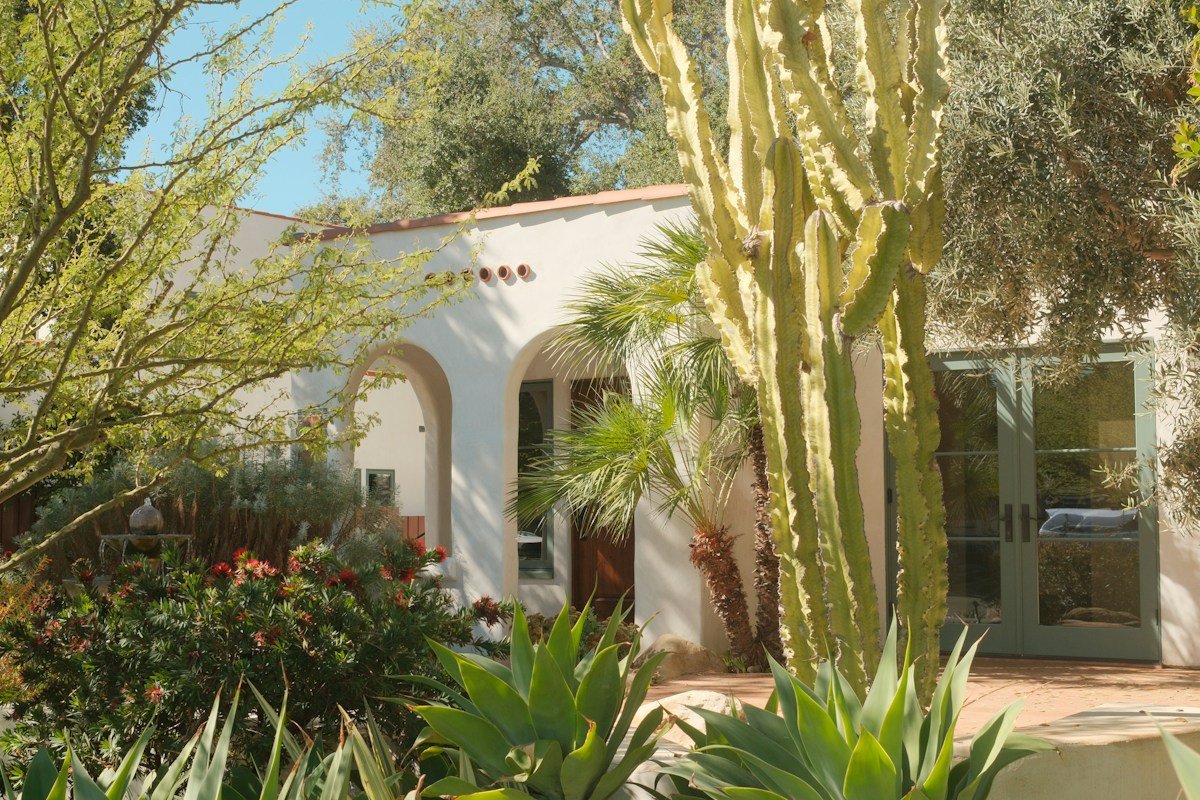
Across suburban neighborhoods worldwide, the conventional monoculture turf lawn is undergoing an unprecedented ecological and architectural reconsideration. For over half a century, expansive expanses of thirsty Kentucky bluegrass served as the default symbol of residential success. Maintaining these artificial green carpets, however, extracts an exorbitant toll in potable municipal water consumption, noisy weekend mowing labor, toxic synthetic fertilizers, and escalating utility bills. Today, forward-thinking homeowners and landscape architects are embracing climate-resilient alternatives that celebrate regional ecology, sculptural plant forms, and tactile mineral hardscapes. A thoughtfully planned drought-tolerant front yard elevates curb appeal while drastically reducing seasonal maintenance demands.
Transitioning toward low-water landscaping represents far more than scattering desert gravel across bare dirt. Contemporary xeriscaping is a sophisticated design discipline that balances botanical diversity, dynamic seasonal color, and architectural hardscaping elements. By pairing sculptural succulents, flowing native ornamental grasses, fragrant Mediterranean herbs, and local stone aggregates, designers create front gardens that look lush, vibrant, and welcoming across all four seasons. Rather than fighting natural rainfall patterns, these climate-adapted landscapes harmonize with regional soil biology, capturing stormwater runoff and nurturing vital native pollinators.
Successful landscape transformations require grounded knowledge of horticulture, soil mechanics, and efficient irrigation engineering. By adhering to water conservation benchmarks established by the EPA WaterSense Program, soil conservation guidelines from the USDA Natural Resources Conservation Service, native plant research curated by the Lady Bird Johnson Wildflower Center, and regional horticultural recommendations provided by the UC Master Gardener Program, homeowners can design outdoor living spaces that conserve resources without sacrificing elegance.
Throughout the comprehensive technical sections that follow, we unpack every stage of creating a resilient, low-maintenance front yard. You will examine soil testing and permeability grading, permeable aggregate selection, hydrozone mapping, architectural plant curation, automated drip irrigation zoning, microclimate windbuffers, and weed-suppressing mulching strategies. Whether you reside in an arid southwestern river basin, a Mediterranean coastal valley, or a temperate suburban zone experiencing frequent summer droughts, this master guide provides actionable blueprints to replace thirsty turf with an enduring botanical showpiece.
Soil Mechanics, Infiltration Dynamics, and Permeability Grading
The foundation of any successful drought-tolerant landscape begins beneath the surface. Many homeowners make the mistake of removing turf grass and planting arid flora directly into heavily compacted, clay-heavy subsoils without prior preparation. Suburban construction often strips away fertile native topsoil, leaving compressed subsoils that lack beneficial microbial life and possess poor drainage characteristics. When drought-adapted perennials and desert succulents encounter heavy waterlogged clay during winter rain events, their root systems quickly suffocate from fungal root rot.
Conducting a simple soil percolation test provides crucial insights into site drainage capacity. Dig several holes across your front yard measuring twelve inches in diameter and twelve inches in depth. Fill each hole completely with water and allow it to saturate the surrounding earth completely. Once drained, refill the hole and measure the rate of water descent per hour using a rigid ruler. A drainage rate of one to two inches per hour represents ideal soil permeability for mixed drought-tolerant plantings. If drainage falls below one inch per hour, the soil is dense clay requiring aeration, mineral amendments, and organic compost integration to restore structural porosity.
Grade manipulation and topographical earth sculpting dramatically enhance rainwater harvesting potential. Rather than maintaining a flat, two-dimensional lawn profile, skilled landscape designers sculpt gentle berms and dry creek beds known as bio-swales. Elevated berms, formed from well-draining sandy loam blends mixed with decomposed granite, provide elevated planting perches that ensure excess moisture drains swiftly away from delicate succulent root crowns. In contrast, shallow depressions lined with smooth river cobble catch natural rainwater runoff from roof downspouts, allowing moisture to infiltrate deep into groundwater aquifers rather than washing into municipal storm drains.
Rebuilding soil biology requires organic inputs that mirror natural ecosystem decay. While chemical nitrogen fertilizers force rapid, succulent foliage growth that demands excessive water, mature compost feeds native mycorrhizal fungal networks. These microscopic fungi establish symbiotic relationships with plant roots, extending the reach of root hairs deep into the soil profile to access hidden moisture reserves. Top-dressing planting beds with two inches of well-aged compost before installing aggregates creates an active biological sponge that retains vital soil moisture throughout scorching summer heatwaves.
Addressing soil mineral chemistry and pH levels is equally vital for drought-adapted species. Native chaparral and desert flora generally thrive in slightly alkaline to neutral soils with pH levels ranging between 6.8 and 7.8. In heavy alkaline clay soils, incorporating agricultural gypsum encourages clay flocculation, aggregating fine clay platelets into larger granular crumb structures that permit rapid oxygen and water infiltration. For acidic suburban soils, adding crushed dolomitic limestone moderates acidity while delivering essential calcium and magnesium ions that strengthen cellular walls in woody perennials.
Permeable Hardscaping Foundations: Gravel, Decomposed Granite, and Stepping Stones
Hardscaping elements form the visual and functional backbone of a modern low-maintenance front yard. By substituting expansive turf with permeable mineral surfaces, homeowners introduce clean architectural lines, define pedestrian circulation routes, and eliminate muddy pathways. Unlike impermeable poured concrete that accelerates urban heat island effects and causes stormwater runoff, permeable aggregates allow every drop of rainfall to penetrate directly into the subsoil, nurturing surrounding root zones.
Decomposed granite, commonly referred to as DG, serves as one of the most versatile mineral materials for suburban front yards. Composed of naturally weathered, flaked granite rock, DG possesses an earthy, warm tan or gold coloration that complements modern and Mediterranean home facades. When selecting DG, homeowners can choose between unstabilized, stabilized, or resin-coated variants. For low-traffic garden paths and casual sitting areas, stabilized DG blended with organic plant-based binders forms a firm, compacted surface that resists foot indentations and prevents loose dust migration while maintaining excellent water permeability.
Pea gravel and crushed basalt chips offer alternative textural palettes with distinct design expressions. Naturally rounded pea gravel, typically three-eighths of an inch in diameter, provides a soft, audible crunch underfoot that evokes classic European courtyard gardens. In contemporary minimalist architecture, dark charcoal or grey crushed basalt chips introduce sharp geometric contrast against whitewashed walls and structural green foliage. Crushed stone locks together more securely than rounded pebbles, creating a more stable walking plane for main entrance walkways.
Integrating large-format natural stone pavers into gravel fields elevates pedestrian circulation. Irregular Arizona flagstone, sawn-cut bluestone, or rectangular thermal-finished granite steppers create rhythmic pathways that guide visitors from the curb to the front entryway. When setting stepping stones into gravel, always excavate a shallow trench, level the sub-base with crushed stone fines, and leave a consistent two-to-three-inch reveal filled with contrasting pea gravel or creeping groundcovers like thyme or dymondia. This layered approach creates visual richness that grounds the surrounding botanical composition.
Edge restraint systems are essential for preserving crisp hardscaping boundaries. Without durable borders, loose gravel shifts into plant beds and migrates onto municipal sidewalks. Heavy-gauge commercial steel edging, finished in natural weathering corten steel or black powder coating, provides an imperceptible, long-lasting barrier that holds aggregates firmly in place. Corten steel develops a protective, warm rust patina over time, echoing the rich mineral tones of decomposed granite and sandstone boulders.
Sub-base preparation beneath hardscaping zones dictates longevity and weed resistance. Excavate native soil to a depth of four inches, compact the subgrade thoroughly with a vibrating plate compactor, and install a heavy-duty commercial woven geotextile fabric. Spread a two-inch layer of crushed aggregate base, compact it completely, and finish with a two-inch top course of compacted decomposed granite or decorative stone. This engineered profile eliminates settling, prevents wheelbarrow depressions, and stops perennial weeds from penetrating upward from subsoil layers.
Hydrozoning Principles: Organizing Flora by Moisture and Sunlight Exposure
A frequent mistake in residential landscape design is mixing plants with conflicting water and sunlight requirements in the same garden bed. Pairing a thirsty hydrangea next to a drought-tolerant agave guarantees that one plant will suffer: either the agave rots from over-watering, or the hydrangea withers from drought stress. The solution lies in strict hydrozoning: the deliberate practice of clustering plants that share identical moisture, humidity, and solar exposure needs.
Professional landscape architects divide residential properties into four distinct hydrozones. Hydrozone 1 represents the high-water oasis zone, typically restricted to a small patio container garden or foundational entryway beds directly adjacent to the front porch where plants receive daily attention. Hydrozone 2 functions as a moderate-water zone, hosting drought-tolerant flowering shrubs and perennials that require occasional deep irrigation during peak summer heat. Hydrozone 3 encompasses low-water plantings, featuring climate-resilient native shrubs and ornamental grasses that thrive on bi-weekly or monthly watering cycles. Finally, Hydrozone 4 represents the zero-water perimeter, populated exclusively by indigenous native flora that survive entirely on natural seasonal rainfall once established.
Microclimate analysis must accompany hydrozone mapping. Every suburban front yard features distinct microclimates created by building architecture, roof overhangs, property fencing, and mature shade trees. South- and west-facing exterior walls absorb solar radiation throughout the afternoon, re-radiating intense thermal heat that dries out soil quickly. These thermal heat sinks are ideal environments for heat-loving desert agaves, prickly pears, and silvery Mediterranean cistus. Conversely, east-facing areas that receive gentle morning light and afternoon shade suit soft-leafed salvias, coral bells, and shade-tolerant native grasses.
Grouping plants by vertical canopy layers maximizes moisture efficiency. Mimicking natural forest and chaparral ecosystems, position small drought-tolerant shade trees: such as desert willow, palo verde, or olive: as an upper canopy layer. Beneath their dappled shade, establish a mid-tier of woody shrubs like manzanita and ceanothus, followed by a ground-hugging understory of creeping succulents and deep-rooted perennials. The upper canopy reduces soil surface evaporation, while the lower groundcovers shield the soil from harsh ultraviolet radiation, creating a self-sustaining microclimate that reduces overall water consumption.
Solar aspect and wind exposure further refine hydrozone boundaries. In many suburban settings, strong prevailing winds sweep across open front yards, accelerating plant evapotranspiration rates and stripping moisture from foliage. Grouping wind-hardy native shrubs such as California buckwheat, Texas sage, or rosemary on windward perimeters creates a protective living windbreak that shields delicate flowering perennials situated in sheltered inner beds.
Architectural Botanical Matrix: Selecting Sculptural and Resilient Flora
Plant selection transforms a utilitarian gravel yard into a breathtaking residential garden. In a low-water landscape, individual plants must deliver sculptural structure, tactile interest, and year-round beauty. Rather than viewing plants as uniform mass plantings, select species that showcase striking silhouettes, varied leaf textures, and dynamic movements in the breeze.
Architectural succulents provide strong vertical and geometric focal points. Century plants (Agave americana and Agave parryi) feature dramatic rosettes of thick, spined leaves that introduce bold architectural focal points against smooth exterior walls. For entry walkways where spiny thorns might catch pedestrian clothing, spineless varieties such as Agave attenuata (foxtail agave) or upright Sansevieria offer sculptural elegance without sharp margins. Golden barrel cacti (Echinocactus grusonii), clustered in asymmetrical groupings of three or five, inject radiant yellow color and spherical geometry that grounds modern landscape compositions.
Flowering perennials inject seasonal color and vital pollen resources for native bees and hummingbirds. Mediterranean and Californian natives excel in low-water environments due to their essential oil reserves and reflective leaf surfaces. Autumn sage (Salvia greggii) produces brilliant crimson, coral, or purple blossoms from spring through autumn while demanding minimal water. Russian sage (Perovskia atriplicifolia) forms airy clouds of lavender-blue flowers above fragrant, silver-grey foliage that catches afternoon sunlight. Pair these with drought-hardy coneflowers (Echinacea purpurea), black-eyed Susans, and golden yarrow (Achillea millefolium) for a continuous tapestry of blooms that thrive under full sun.
Ornamental grasses introduce auditory charm, textural softness, and kinetic movement to the garden. As suburban breezes sweep through the front yard, grasses sway gracefully, softening the rigid angles of stone pavers and building walls. Blue fescue (Festuca glauca) forms compact, steel-blue tufts that make striking borders along gravel pathways. For taller mid-ground presence, Mexican feather grass (Nassella tenuissima) and pink muhly grass (Muhlenbergia capillaris) create ethereal visual clouds, with pink muhly producing dramatic plumes of cotton-candy rose flowers in late autumn that shimmer like mist in low-angled light.
For homeowners who desire a walkable green carpet without the maintenance burden of traditional sod, living groundcover alternatives provide ideal solutions. Kurapia (Phyla nodiflora) is a groundbreaking drought-tolerant groundcover that requires eighty percent less water than standard turf, tolerates moderate foot traffic, and never requires mowing. Dymondia margaretae (silver carpet) produces dense mats of slender green-and-white leaves with small yellow daisy flowers, choking out weeds and handling hot sun with absolute ease.
Drought-hardy ornamental trees anchor the overall composition, providing scale and essential shade. Desert willow (Chilopsis linearis) offers graceful willow-like foliage and fragrant trumpet-shaped flowers in shades of pink and lavender throughout summer while handling extreme drought. Palo verde (Parkinsonia ‘Desert Museum’) features striking lime-green bark and a brilliant explosion of golden spring blossoms, casting delicate filtered shade that protects sensitive understory plants from scorching midday sun. Mediterranean olive trees (Olea europaea), with their gnarled, sculptural trunks and shimmering silver-green leaves, impart timeless Mediterranean luxury to transitional and modern suburban homes.
Drip Irrigation Engineering: Pressure Regulators, Emitters, and Smart Controllers
Even the most drought-hardy plants require supplementary irrigation during their initial two-year establishment period. Relying on hand-watering or overhead spray sprinklers wastes massive volumes of water through wind drift and rapid surface evaporation. Overhead sprayers also throw water onto plant foliage, encouraging fungal mildew and scorching sensitive leaves under direct sun. Installing an engineered subsurface or inline drip irrigation system delivers water directly to plant root zones with maximum efficiency.
The core component of an efficient drip irrigation manifold is a dedicated pressure-regulating filter assembly. Municipal water mains typically supply pressures between fifty and eighty pounds per square inch (PSI), which can blow delicate drip emitters apart and rupture thin-walled poly tubing. A commercial-grade pressure regulator steps line pressure down to a steady twenty to thirty PSI, while a fine one-hundred-and-fifty-mesh disc filter prevents silt and mineral deposits from clogging microscopic emitter channels. Backflow prevention valves are legally required to prevent irrigation water from siphoning backward into your household potable drinking water.
Inline drip tubing represents the gold standard for mass planting beds and shrub borders. Unlike older systems that relied on fragile barbed point-source emitters, modern half-inch inline tubing features pressure-compensating emitters embedded inside the tube walls at twelve- or eighteen-inch intervals. These internal emitters feature turbulent flow labyrinths that deliver identical flow rates: typically 0.6 or 0.9 gallons per hour: regardless of line elevation changes or distance from the water source. Snaking inline tubing in concentric grids beneath the mulch layer ensures uniform root zone hydration across the entire bed.
Smart weather-based irrigation controllers represent the ultimate operational upgrade for low-maintenance landscapes. Connected to local Wi-Fi networks and hyper-local satellite meteorological data, smart controllers automatically modulate watering schedules based on real-time temperature, wind speed, relative humidity, and rainfall forecasts. If seasonal storms deposit half an inch of rain, the controller suspends scheduled watering cycles automatically. Many modern controllers also feature integrated flow meters that alert homeowners via smartphone notifications if a severed tube causes an unexpected water leak.
Watering frequency should follow the deep-and-infrequent horticultural rule. Shallow daily watering creates weak, superficial root systems that dry out rapidly during hot afternoons. Instead, run drip zones for extended periods: such as forty-five to sixty minutes once every ten to fourteen days: allowing moisture to penetrate eighteen to twenty-four inches into the subsoil. This encourages roots to grow deeply into the earth, where temperatures remain cool and moisture persists throughout prolonged dry spells.
Calculating precipitation rates and zone flow capacities ensures that your irrigation pump and municipal water meter are never overburdened. Sum the total number of emitters across a single valve zone and multiply by their individual gallon-per-hour rating. For example, a zone with one hundred 0.9 GPH emitters consumes ninety gallons per hour, or 1.5 gallons per minute, which easily operates within standard residential plumbing capacities. Installing soil moisture sensors at root depths of twelve inches provides definitive feedback, triggering irrigation only when subterranean moisture drops below predetermined botanical thresholds.
Microclimate Thermal Mass and Natural Stone Boulder Integration
Integrating large natural boulders into a drought-tolerant landscape provides crucial ecological and thermal benefits beyond purely decorative aesthetics. Natural stone functions as an environmental heat sink, absorbing intense solar radiation during blazing afternoon hours and slowly releasing stored radiant warmth throughout chilly nighttime hours. This microclimate buffering protects tender succulent roots from sudden winter freezes while moderating soil temperature extremes throughout scorching summer dry spells.
Selecting boulders requires respecting local geology to maintain authentic visual harmony. Boulders should reflect the indigenous rock formations of your geographic region: such as warm granite, stratified limestone, volcanic basalt, or golden sandstone. Avoid scattering random, small round stones like dropped melons across flat gravel. Instead, select two or three substantial feature boulders weighing between three hundred and eight hundred pounds, burying their lower one-third below grade. Sinking boulders into the earth creates the illusion of natural outcroppings that have rested on the site for centuries.
Positioning boulders strategically creates wind shadows and localized moisture traps. Placing a large granite boulder on the northwest side of a delicate desert perennial shields the plant from drying prevailing winds. Furthermore, morning condensation and ambient dew naturally trickle down boulder faces, concentrating precious moisture directly into subterranean soil pockets beneath the stone where plant roots congregate. Surrounding boulders with textural groupings of creeping rosemary, blue fescue, and trailing lantana softens rigid stone edges, weaving hardscape and living flora into a seamless natural composition.
Low dry-stacked stone retaining walls and gabion baskets offer additional structural dimension. When navigating sloping front yards, dry-stacked stone walls built without mortar allow water to weep freely through stone joints, eliminating hydrostatic pressure buildup while creating terraced planting shelves. Gabion baskets filled with local river cobble introduce crisp contemporary industrial lines that contrast beautifully against soft native grasses and flowering perennials.
Organic and Mineral Mulching Strategies: Wood Chips, River Rock, and Basalt
Mulch functions as the protective insulating shield that safeguards soil biology and preserves water reserves in a drought-tolerant garden. An unmulched soil surface exposed to summer sun can easily reach temperatures exceeding one hundred and forty degrees Fahrenheit, killing beneficial soil bacteria, baking root systems, and losing up to seventy percent of ambient moisture through evaporation. Applying a generous mulch blanket stabilizes soil temperatures, suppresses weed seed germination, and completes the visual presentation of the front yard.
Organic arborist wood chips offer superior soil regeneration benefits for mixed perennial and shrub plantings. Unlike dyed industrial bagged mulches that contain artificial chemical colorants, coarse arborist wood chips consist of shredded tree barks, heartwoods, and leaves. As wood chips slowly decompose over several seasons, they release carbon, nitrogen, and micronutrients into the soil, creating rich organic humus that fosters flourishing earthworm populations. Maintain a depth of three to four inches across all planting beds, ensuring that mulch is pulled back three inches from plant stems and tree trunks to prevent collar rot.
Mineral rock mulches serve as the premier choice for desert cacti, agaves, and Mediterranean rock gardens. Large organic wood chips retain excessive moisture around succulent stems during wet winters, creating conditions favorable to fungal rot. Decomposed granite, crushed volcanic basalt, and smooth river pebbles provide inert mineral blankets that allow water to drain instantly away from sensitive plant necks while preventing surface soil erosion during heavy thunderstorms. Mineral mulches also deter common garden pests such as slugs and snails, which struggle to navigate rough stone surfaces.
The controversy surrounding synthetic landscape weed fabrics requires careful consideration. While many do-it-yourself homeowners lay non-woven plastic weed barriers beneath gravel, experienced landscape professionals advise against their widespread use in living garden beds. Over time, blowing wind-blown dust settles into gravel atop the fabric, creating a fertile silt layer where airborne weed seeds germinate effortlessly. Meanwhile, plastic fabric suffocates soil respiration, blocks earthworms, and prevents fallen organic matter from enriching the earth. For pathways and hardscape zones, high-density woven commercial geotextiles provide necessary aggregate separation; for living plant beds, relying on thick mulch layers and manual weeding produces healthier soil and thriving root networks.
Architectural Lighting: Illuminating Sculptural Silhouettes and Walkways
A well-designed front yard landscape should be as captivating at midnight as it is at midday. Low-voltage architectural and landscape lighting transforms drought-tolerant flora into dramatic evening sculptures, highlights textured stone walls, and ensures secure, illuminated passage along pedestrian walkways. In a xeriscape garden, lighting design focuses on artistic contrast, warm color temperatures, and shadow casting rather than intense, floodlight illumination.
Uplighting serves as the most effective technique for highlighting the dramatic forms of architectural plants. Placing a low-voltage LED spotlight at the base of a century agave, multi-trunked olive tree, or flowering ocotillo casts upward beams that silhouette spiny margins and gnarled bark textures against exterior house siding. Opt for fixtures with narrow thirty-degree beam spreads and warm 2700K color temperatures. Warm white light enriches the natural earthy hues of sandstone, terra cotta, and olive leaves, whereas cold 5000K daylight LEDs cast an unnatural, institutional glare across natural landscapes.
Path lighting ensures pedestrian safety while defining garden perimeters. Avoid the temptation to install path fixtures in rigid, evenly spaced runways resembling airport landing strips. Instead, stagger path lights organically along walkway curves, concealing the fixtures behind low tufts of ornamental grasses or rounded boulders. Shielded fixtures that cast downward pools of light prevent glare from striking visitors eyes while preserving dark sky aesthetics that allow nighttime stargazing.
Moonlighting techniques, where soft wide-angle fixtures are mounted high in the branches of mature canopy trees directed downward, cast dappled, dancing leaf shadows across gravel beds and patio surfaces below. This gentle illumination replicates natural moonlight, creating an enchanting, tranquil ambiance that invites homeowners to linger on the front porch during pleasant summer evenings.
Seasonal Maintenance Protocols: Pruning Schedules, Weeding, and System Audits
While drought-tolerant xeriscaping drastically reduces weekend yard work compared to turf lawns, low-maintenance does not mean zero-maintenance. Implementing a proactive seasonal care routine ensures that plantings remain healthy, pathways stay tidy, and irrigation systems operate at peak efficiency throughout the year.
Spring maintenance centers on cutbacks, division, and irrigation reactivation. In late winter or early spring before new growth surges, cut back warm-season ornamental grasses like pink muhly and fountain grass to three or four inches above the crown using sharp hedge shears. This removes brown, dead foliage and makes way for fresh green shoots. Prune semi-woody perennials like salvias and Russian sage by one-third to promote bushy growth and prolific summer flowers. Conduct a thorough visual audit of your drip irrigation system: flush end caps to clear sediment, check for severed tubes caused by garden tools, and test every emitter for consistent flow.
During late spring, inspect groundcovers and perennial crowns for root congestion. Drought-tolerant ornamental grasses and clump-forming perennials benefit from clumping division every three to four seasons. Carefully dig up mature clumps with a sharp spade, divide the root mass into three or four healthy quadrants containing active root buds, and replant them across sparse garden zones. This natural propagation multiplies your plant collection at zero nursery cost while rejuvenating parent plants.
Summer maintenance demands minimal physical exertion. With automated smart controllers managing water schedules, your primary task is monitoring plant stress during extreme heat waves. Newly planted specimens may show signs of temporary leaf wilt during initial ninety-degree days; provide targeted hand watering if soil beneath the mulch feels dry to a depth of four inches. Avoid applying nitrogen fertilizers during midsummer heat, as forced vegetative growth stresses plants and demands excessive moisture.
Autumn and winter maintenance focuses on clean-up, mulch replenishment, and frost preparation. Rake fallen deciduous leaves from gravel pathways to prevent organic debris from decomposing into fine silt within crushed stone beds. Replenish wood chip or gravel mulch layers to maintain an effective three-to-four-inch thermal insulation blanket over root zones before winter freezes arrive. For frost-sensitive succulents like certain aloes and soft agaves, keep frost cloth or breathable burlap on hand to wrap vulnerable foliage during sub-freezing winter nights.
Winter is also the ideal window for structural pruning of drought-hardy shade trees. Remove crossing, rubbing, or diseased branches while trees are dormant, opening the interior canopy to permit filtered light penetration. Always use sanitized bypass pruners sterilized with isopropyl alcohol between cuts to prevent the transmission of vascular plant diseases across specimens.
Ecological Performance Comparison: Traditional Turf vs Drought-Tolerant Landscaping
Evaluating the transition from conventional turf grass to climate-resilient landscaping requires analyzing long-term resource consumption, maintenance expenditure, and ecological value. Traditional lawns demand substantial annual investments in potable water, fossil fuels for motorized maintenance equipment, and recurring chemical treatments that run off into surrounding waterways.
Conversely, a thoughtfully installed drought-tolerant landscape requires higher upfront investment in soil preparation and hardscape infrastructure, but repays homeowners through dramatic water utility savings, negligible weekend maintenance labor, and elevated property value. Modern buyers increasingly view water-wise front yards as sophisticated, eco-conscious assets that eliminate the dread of ongoing lawn maintenance.
The comparative matrix below outlines the critical operational benchmarks, resource requirements, ecological impacts, and maintenance commitments distinguishing conventional suburban turf lawns from engineered drought-tolerant landscapes over a ten-year lifespan.
| Performance & Resource Metric | Conventional Turf Sod Lawn | Engineered Drought-Tolerant Xeriscape | Long-Term Environmental Impact |
|---|---|---|---|
| Annual Water Demand | 40-55 Gallons per sq. ft. annually | 8-15 Gallons per sq. ft. annually | 70-85% conservation of municipal potable water |
| Weekly Maintenance Labor | 2-3 Hours (mowing, edging, blowing) | 15-30 Minutes (light weeding, spot pruning) | Eliminates fossil fuel emissions from gas mowers |
| Chemical Inputs Required | High (synthetic nitrogen, pre-emergent, grub control) | Zero to Low (aged organic compost top-dressing only) | Zero toxic chemical runoff into local aquifers |
| Stormwater Runoff Rate | High (compacted soil causes sheet runoff) | Minimal (permeable aggregates & swales capture rain) | Recharges subterranean groundwater aquifers |
| Biodiversity & Pollinators | Extremely low (biological monoculture dead zone) | High (nectar flowers, habitat for bees, hummingbirds) | Restores native insect and songbird corridors |
| Year-Round Aesthetics | Monotonous green; browns in summer or winter | Dynamic textures, seasonal blossoms, structural stone | Elevates neighborhood curb appeal and home equity |
| Ten-Year Operating Cost | High recurring expenses (water tariffs, gas, repairs) | Low recurring cost (recoups installation within 4 years) | Significant long-term financial savings for owners |
Examining these ecological benchmarks makes the case for conversion undeniable. Beyond the immediate financial relief of reduced water and lawncare bills, installing a resilient landscape aligns suburban residences with natural conservation principles, demonstrating that modern curb appeal can thrive in harmony with the environment.
Frequently Asked Questions About Drought-Tolerant Front Yards
Will replacing my front lawn with drought-tolerant landscaping lower my home value?
Modern real estate data demonstrates that professionally designed drought-tolerant landscaping increases curb appeal and boosts property equity. Today’s prospective homebuyers place high value on low-maintenance exteriors, reduced utility expenses, and eco-friendly features. A front yard composed of decomposed granite paths, architectural succulents, and thriving native perennials creates a stylish, contemporary impression that stands out against tired sod lawns.
How do I eliminate existing grass without using toxic chemical herbicides?
You can eradicate existing turf grass organically using sheet mulching or solarization methods. Sheet mulching involves scalping the grass down to ground level, soaking it thoroughly, covering the entire area with overlapping layers of thick, non-printed cardboard, and topping it with four inches of coarse arborist wood chips. The cardboard blocks all sunlight, suffocating the grass and weed roots over two to three months while decomposing into rich soil nutrients.
Do drought-tolerant plants require zero water after planting?
No plant requires zero water immediately upon installation. Even desert succulents and native chaparral shrubs need consistent moisture during their initial establishment period, which typically spans twelve to eighteen months. During this phase, root systems expand out of the nursery potting soil into native surrounding earth. Once well established, their deep root networks allow them to thrive on natural seasonal rainfall with only occasional supplementary deep watering during prolonged droughts.
Can dogs and children safely use a drought-tolerant front yard?
A drought-tolerant yard can be easily tailored for family and pet safety. Replace sharp, spiny agaves and cacti with soft-leafed thornless alternatives, such as spineless foxtail agaves, soft ornamental muhly grasses, and fragrant lavender shrubs. For play areas and dog runs, install walkable groundcovers like Kurapia or smooth, rounded pea gravel rather than sharp crushed basalt or hot paving stones.
How can I prevent weeds from overwhelming my new gravel and stone beds?
Weed prevention in gravel landscapes relies on maintaining depth, using clean aggregates, and prompt manual intervention. Laying a heavy-duty commercial woven geotextile fabric beneath high-traffic gravel paths stops weeds from emerging from below. Maintain a stone depth of at least two to three inches to deny weed seeds the light required for germination. Hand-pull opportunistic wind-blown weed seedlings while they are small, or treat them with eco-friendly horticultural vinegar solutions on sunny days.
What is the best way to handle municipal rebates for lawn removal?
Many regional water authorities and municipal water districts offer cash rebates ranging from one to four dollars per square foot for removing living turf. To secure these rebates, always review your local water agency guidelines and submit an application for pre-approval before touching your lawn. Most rebate programs require photographs of your living lawn, a planned landscape diagram showing at least fifty percent living plant canopy coverage, and the conversion of spray heads to efficient drip lines.
How do I design a xeriscape front yard that does not look like a barren desert?
The key to avoiding a stark desert appearance is incorporating lush botanical diversity and varying plant heights. Combine silver, blue, emerald green, and chartreuse foliage to create natural chromatic depth. Incorporate long-blooming perennials like salvias, coneflowers, and penstemons alongside flowing ornamental grasses that provide softness and movement. Ground these plantings with natural boulders and warm earth-toned decomposed granite rather than stark grey gravel.
Are drip irrigation systems difficult for homeowners to repair and maintain?
Drip irrigation systems are modular and straightforward to maintain using push-fit compression fittings. If an emitter tube is accidentally pierced with a shovel, simply cut out the damaged section and connect a standard half-inch compression coupling in seconds without specialized plumbing tools. Flushing line end caps once every spring and cleaning the main disc filter keeps the system running smoothly year after year.
What native trees provide light shade without aggressive root systems?
Excellent low-water small trees that feature non-invasive roots and light dappled canopies include the desert willow (Chilopsis linearis), Texas mountain laurel (Sophora secundiflora), palo verde (Parkinsonia), and dwarf olive (Olea europaea ‘Little Ollie’). These species offer stunning blossoms and sculptural trunk structures without uplifting sidewalk concrete or threatening foundation walls.
Design Verdict and Long-Term Suburban Landscape Transformation
Reimagining your front yard as a drought-tolerant sanctuary is a deeply rewarding architectural and ecological journey. By exchanging high-maintenance turf grass for climate-adapted perennials, sculptural succulents, and permeable stone pathways, you create an outdoor space that honors regional natural beauty while liberating yourself from the perpetual cycle of weekend lawn chores.
Begin your transformation by understanding your site conditions: test soil percolation, sculpt subtle drainage swales to capture rainfall, and map distinct hydrozones based on solar exposure. Invest in a pressure-regulated drip irrigation grid controlled by smart weather technology, and blanket beds with organic wood chips or mineral gravel to protect precious soil moisture.
Ultimately, a sustainable front yard represents an enduring statement of domestic design intelligence. It welcomes family and guests with radiant color, kinetic movement, and natural textures, proving that exceptional suburban curb appeal and responsible environmental stewardship can flourish together in perfect harmony.