Ever wonder how to fold clothes to save space? Most people continue for several years the cycle of doing the laundry in the same manner or just stacking clothes anywhere. Properly learning how to fold can make all the difference in you having an organized and neat wardrobe. Smart clothes folding techniques not only help you to maximize your closet and drawer space, but also allow you to locate what you are looking for with ease, and without clutter. A few basic organizing methods can eliminate clutter and have neat, efficient room in messy storage areas and maximize closet space use.
Table of Contents
How to Fold Clothes to Save Space: Tips
How to Fold a T-Shirt
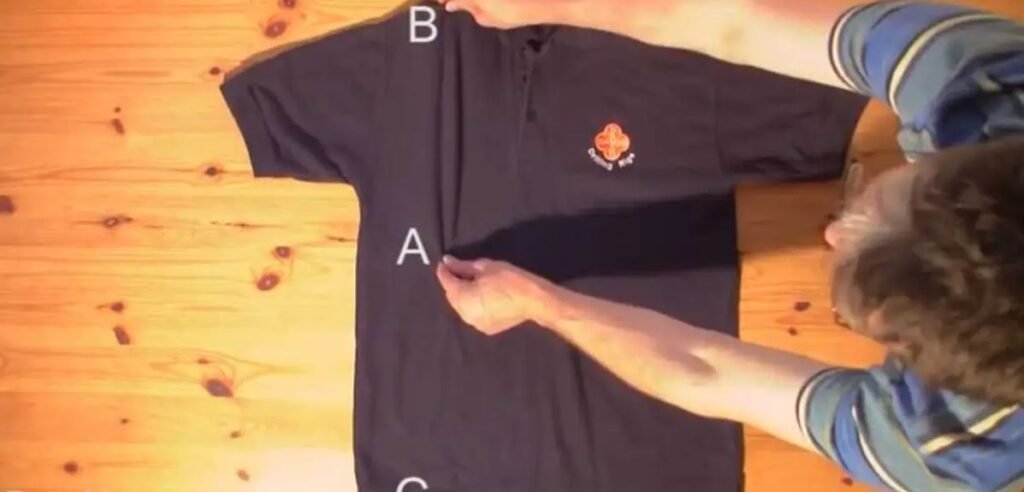
Bend that pile of T-shirts to a more orderly one. Both will be ready to create “comfortable” T-shirts quickly and neatly, and you can opt for whichever you feel more comfortable with.
Lay the shirt on its back with the front facing up and the side to side with the neck on the right and the bottom hem on the left and tuck it in.
Fold out any wrinkles, so that it looks flat. Using the right hand, clamp shirt between the shoulder and the neck. Use your left hand to pinched 1/2 way. Place the right hand over left, and pinch hem.
Lift the shirt and cross left hand over arms to pull hand through. Finally, pull shirt across table (fronted down) to straighten the sleeve and fold over.
How to Fold Pants and Jeans
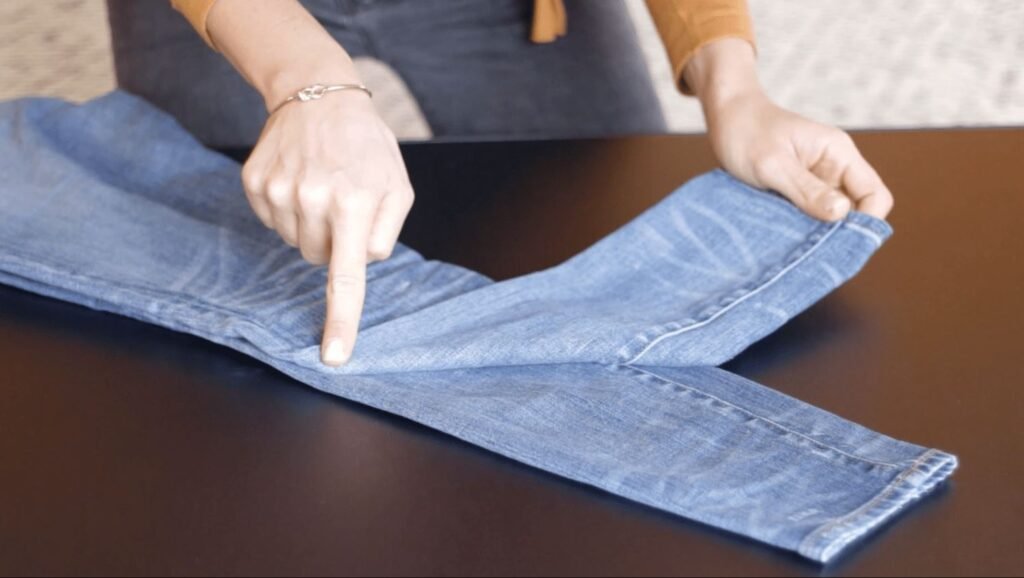
Pants and jeans are bulkier items of clothing and folding them helps prevent wrinkles and at the same time saves space.
Lay jeans or casual pants on a flat surface on a flat surface, fold them in half lengthwise (one leg over the other), fold the cuffs over to the waistband and fold again to make them compact.
This way you can keep your bottoms tanned and tidy and organized.
If hanging with pant hangers is the best way to keep your dress pants well put out of the way, then carefully fold them lengthwise first, making sure the pleats align, fold the cuffs up to the waistband and then fold again.
An alternative to how to fold clothes to save space is rolling them, tightly rolling from the waistband to the hem to fit into a suitcase and keep clothes neat and tidy the more time is spent on the road.
Towels
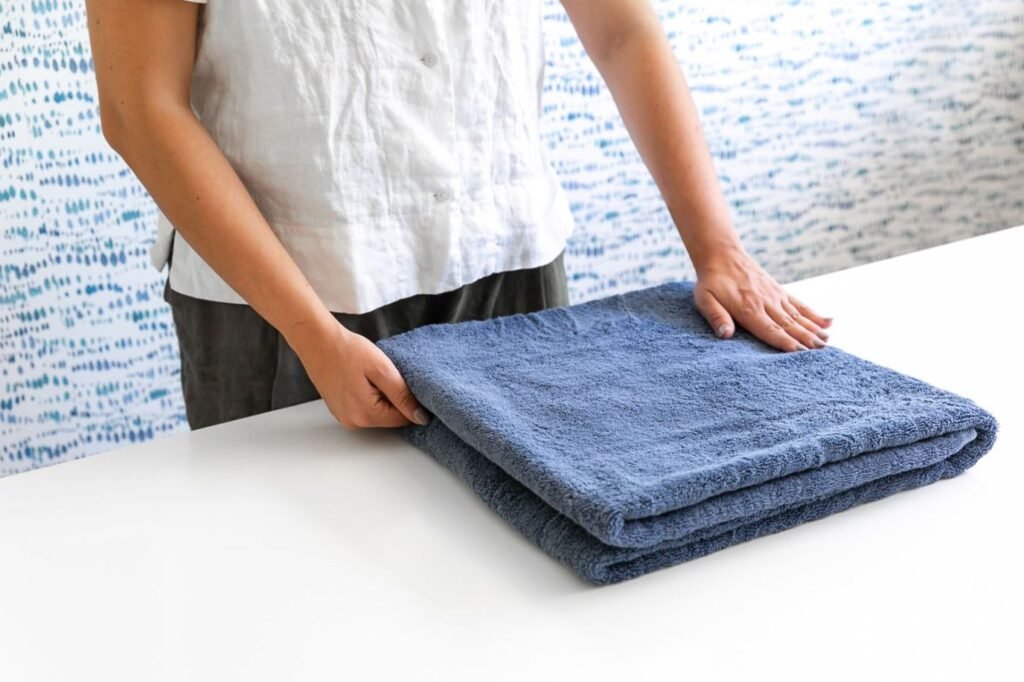
Five-star hotels know that folding in thirds helps to conserve space and is easy to do for both large and small towels.
The method was utilized to reduce the stacking space requirement of towels and to simplify the stacking of towels.
To fold this way, simply fold the folded in half lengthwise to make it half the width.
Do the same until two more times. Then turn the towel around so that the hem or fancy side is facing down and in front of you. Fold each side edge towards the center, one at a time, similar to paper folding in thirds.
The last, but not least, is to turn the towel over so the rolled sides are visible and store it on the shelf so there will be no chaos.
Rolling Clothes
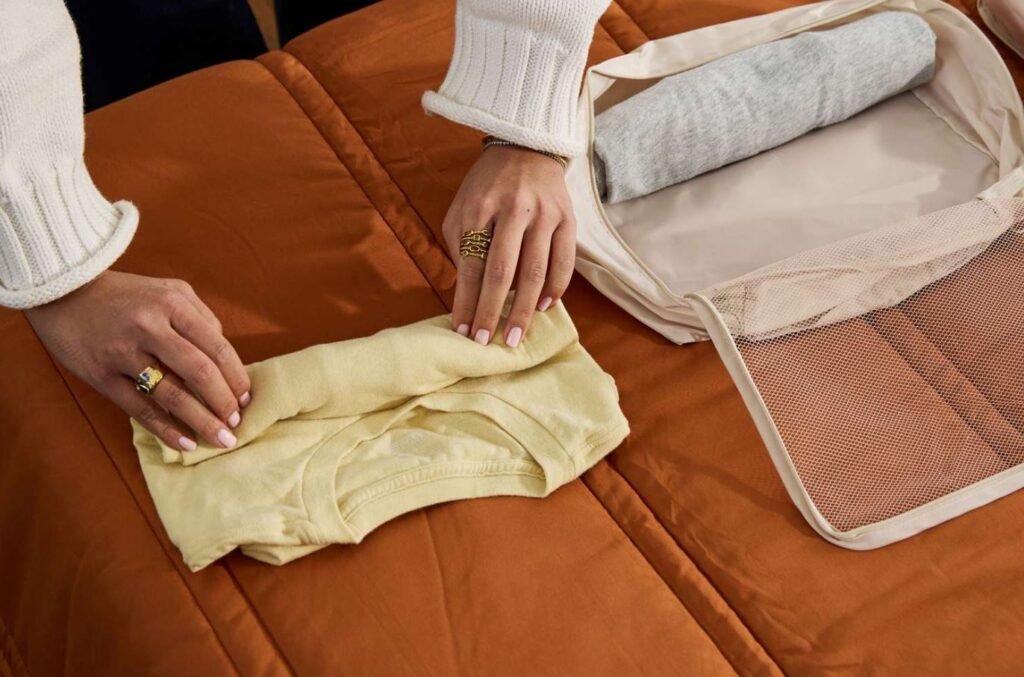
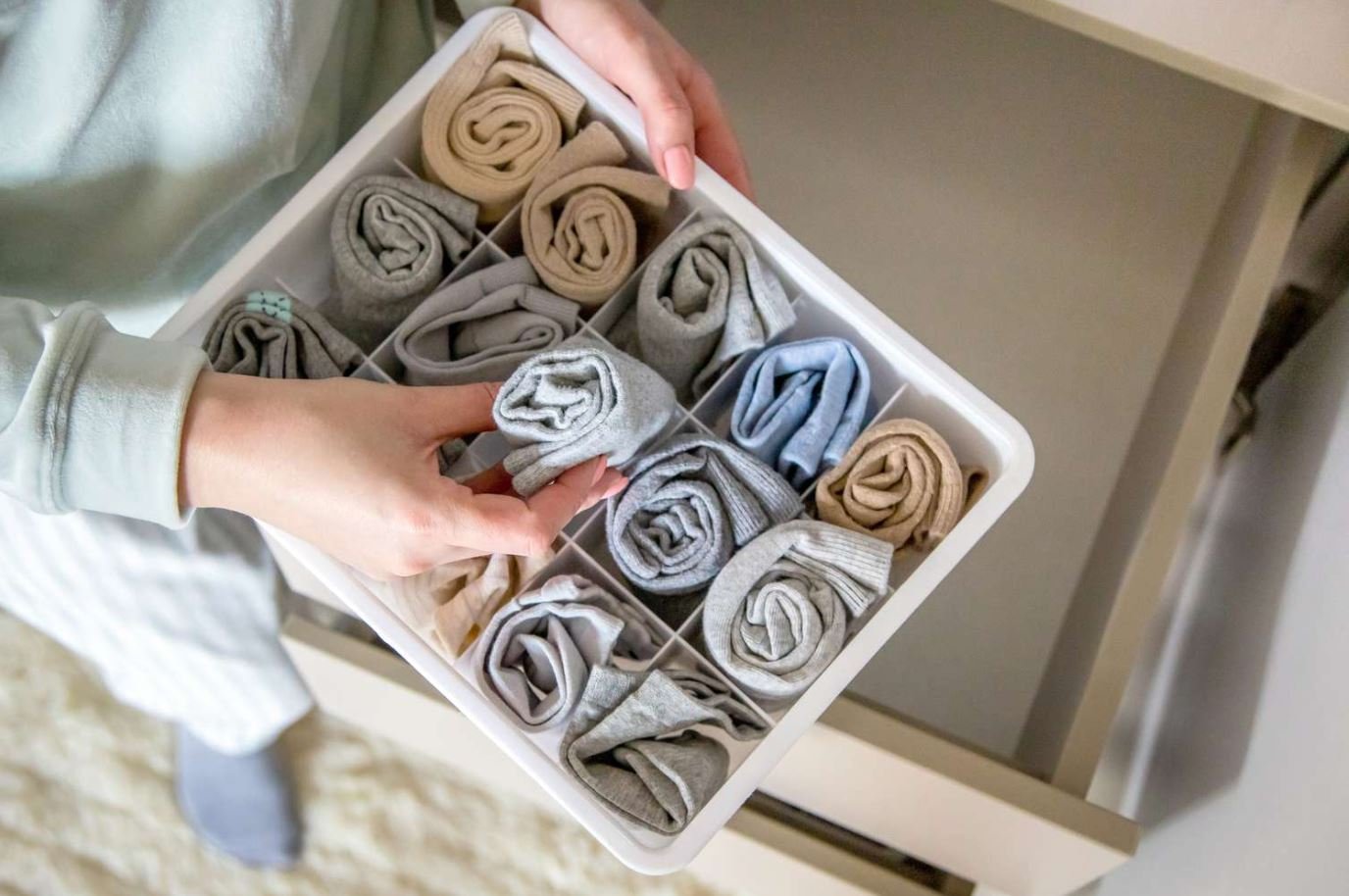
A rolled closet increases the space available in the drawer or reduces mess, it is easy to organize.
Roll items (small clothes such as t-shirts, tank tops and lightweight pants), rather than folding, to free more space and lessen wrinkles.
To accomplish this, take the garment and, if necessary, fold the sleeves inwards and roll the garment up tightly, from the bottom.
This is an easy-to-use storage solution that will allow you to have a more immediate outlook of all the clothes at your disposal and avoid getting messy piles of clothes in drawers.
Rolling clothes is traditionally used when packing suitcases, but also works great for normal drawer organization at home.
Wrapping Clothes in a Bundle
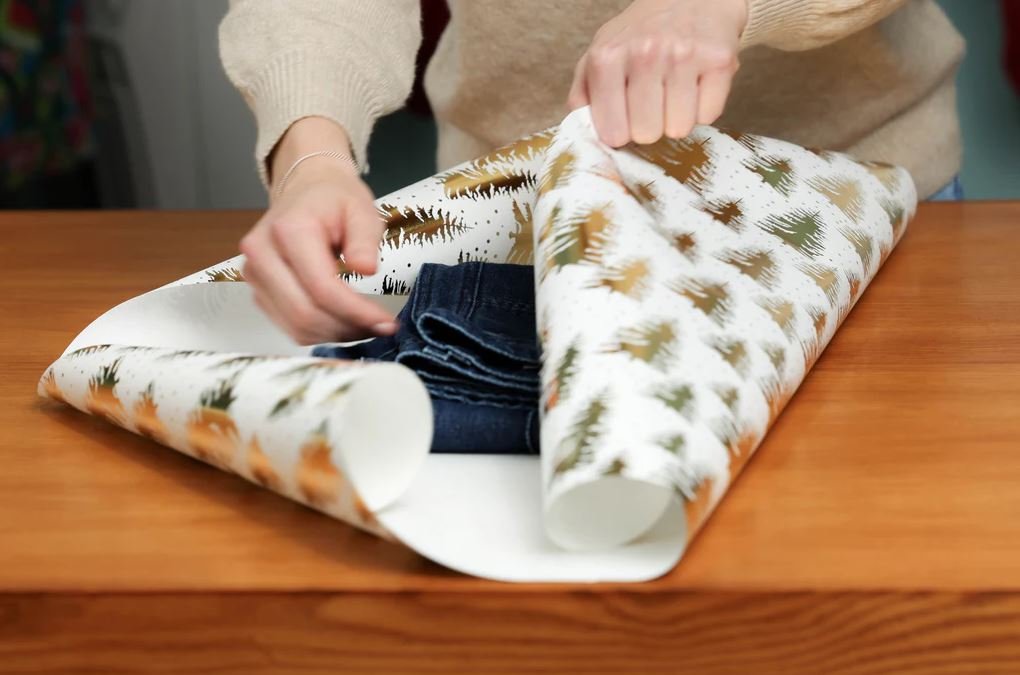
Select a pouch that is approximately “pillow”-shaped and it will form the “core” of your clothing bundle not microbuns.
Dress it around with shirts, pants, blouses and other clothing, but use a pillow-shaped pouch for your clothing bundle that is the core of it.
The pouch can be stuffed with underwear or swimwear or a folded-up pillow in the form of an 8-inch wide pillow or small blanket if you don’t have one.
First begin by stacking clothes, covering the heavier items with the lighter jackets or shirts with them backwards and face down with the arms outstretched. Add another jacket/long sleeve shirt that is turned around so the sleeves overlap, just the top third should overlap. Repeat alternations of weights first, then lighter long-sleeved shirts.
Then, layer pants over the shirt, with their upper third overlapping the shirts, and then the bottom third over the sleeves, alternating direction with each layer. If you are using pants, start with heavier pants – such as jeans – and then lighter pants!
Folding Sweaters
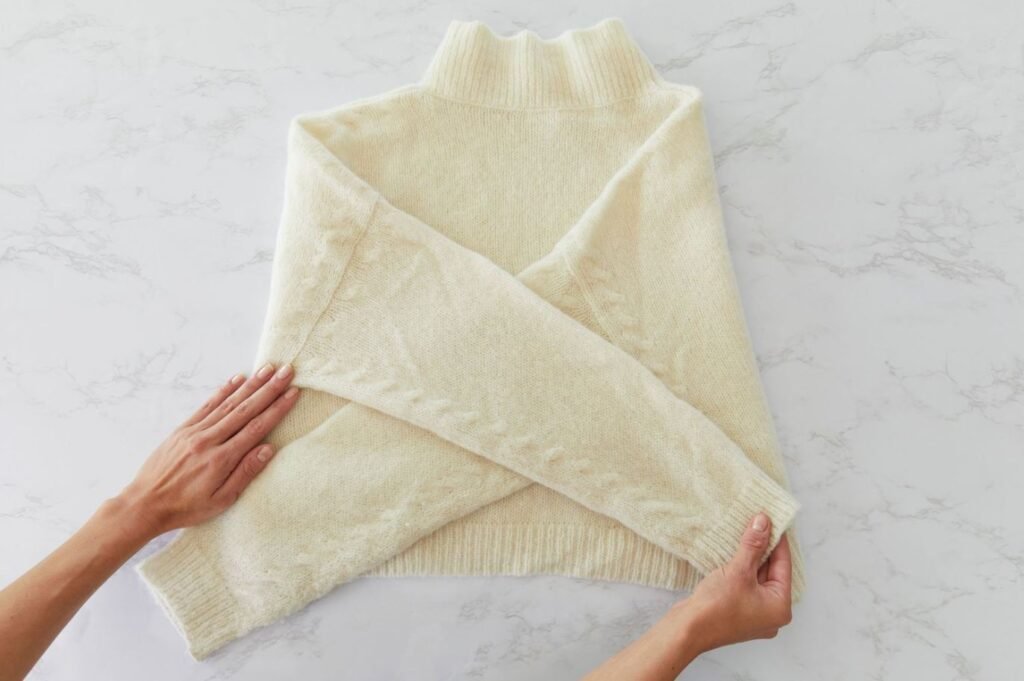
Gill says that a fear of making mistakes is to hang sweaters, which can get loose or even create hanger marks in knit and heavy sweaters.
The more advantageous way will be to fold sweaters as it will help keep them form and is very simple. You don’t even need a flat surface for the process.
To stand up and fold the sweater so it fits the shoulders with one hand, fold the sleeves towards the centre and then fold the sweater in half lengthwise. This is an easy way to help keep sweaters neat, tidy and well-loving.
How to Fold Underwear
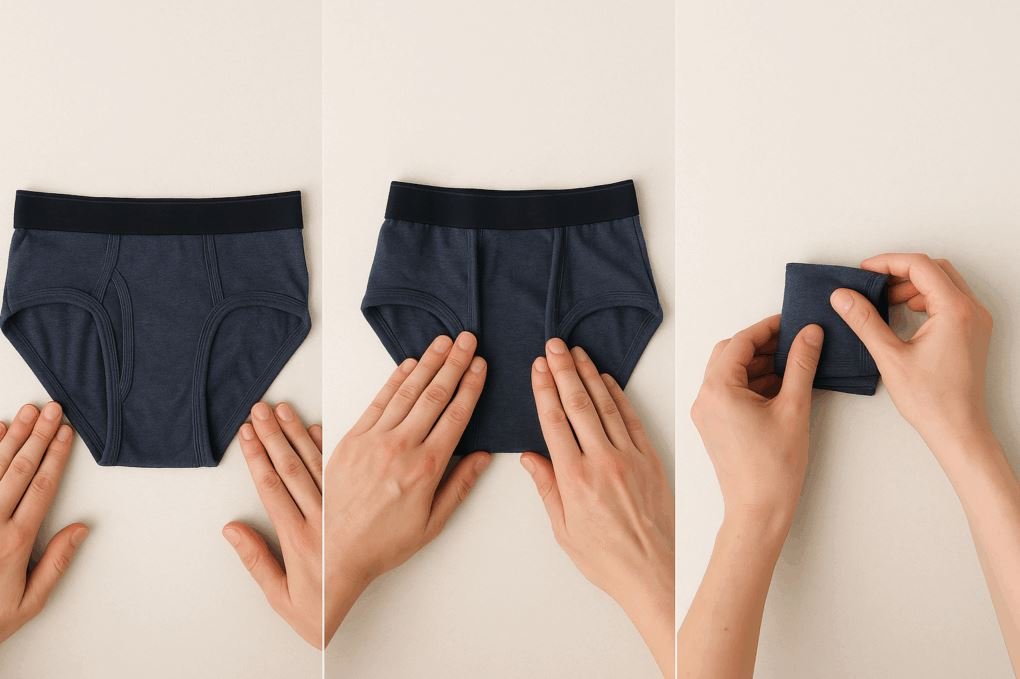
Pack underwear put each piece neatly across with inner side up and untuckled.
Fold bottom upwards towards the waistband, and fold to the sides to form a clean rectangle.
Tie the underwear tightly from the bottom into a small bundle that will fit inside the drawers.
Whereas bridal garments call for minimal folding, just fasten the clasp, tuck inside the straps, and gently layer in the drawer or compartment of your closet for easy maintenance and shape.
How to Fold Shorts
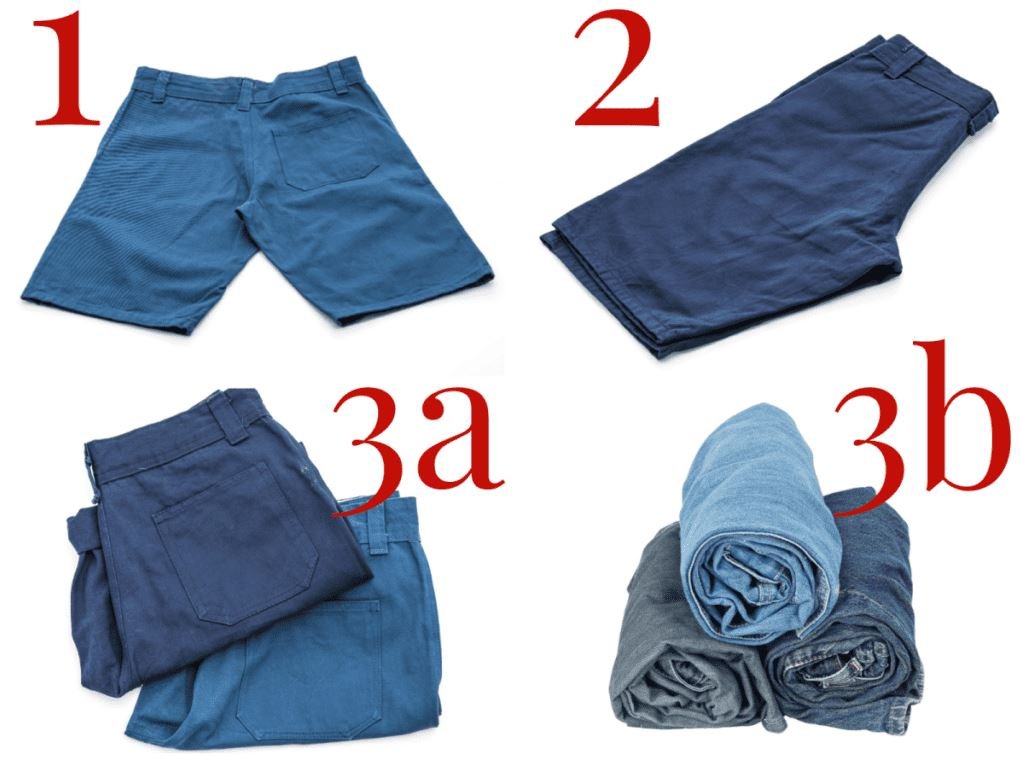
When it comes time to fold shorts, it will be the same as folding jeans or regular pants.
Fold the shorts up upwards to the waist, so that the front is down; fold the leg of the shorts over the other leg neatly with the front side of the leg facing down. Smooth or tuck wrinkles and bumps over, tuck or fold crotch to make a clean/tupled square.
Lastly, take the shorts and fold it down the center or musicians way as if to the middle, folding up and down to the hem of the waistband at the bottom with the proper hems and seam aligned.
This technique will help you to keep your shorts neat and tidy and away from clutter in the drawers or suitcases.
Folding Workout Clothes and Leggings
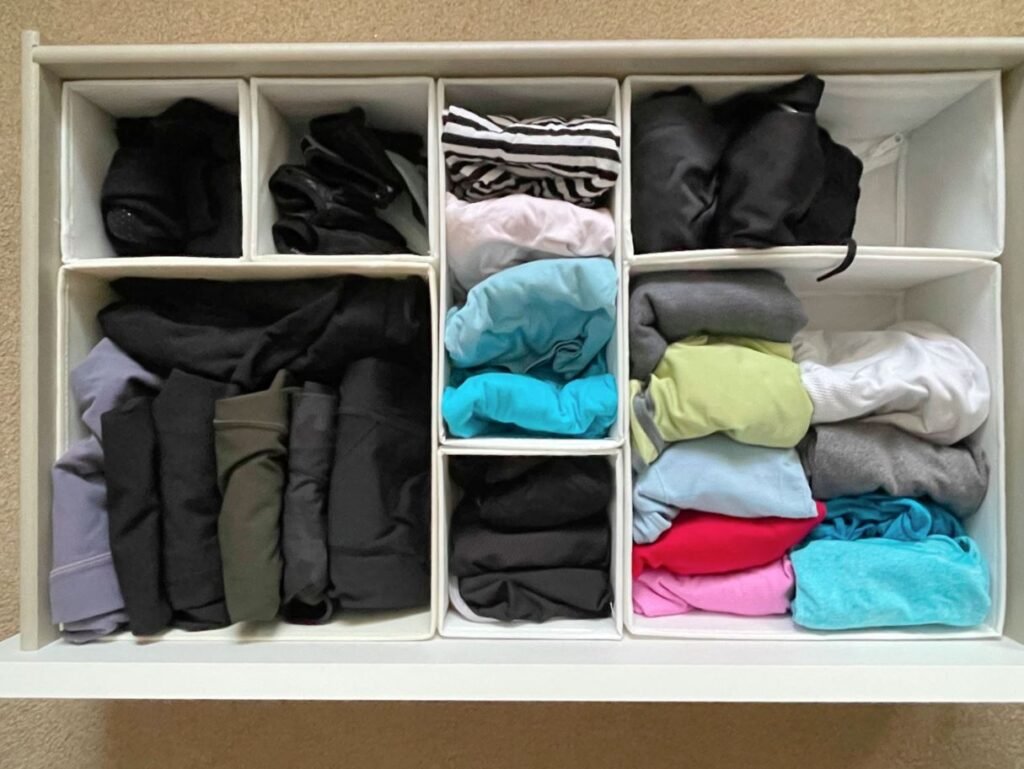
If folded properly, workout clothes and leggings don’t have to take up a lot of space! The same method is used for folding leggings.
Fold them lengthwise from side to side and roll them up from the bottom towards the waistband. Activewear like tops, sports bras, and others can be folded by laying them flat then creasing the sides of the garment to the centre.
After that, fold it in thirds so that it makes such a tidy, neat little bundle, ready for use in your drawers! The good news is that I have got the help of drawer organizers, which have transformed the way I organize my drawer.
These are especially useful for activewear which can come unfolded quickly, creating a messy drawer that’s difficult to navigate. These organizers can help clothes stay folded throughout and make it easier for you to accomplish by article by organizing by style.
Efficiently Fold Shorts and Skirts
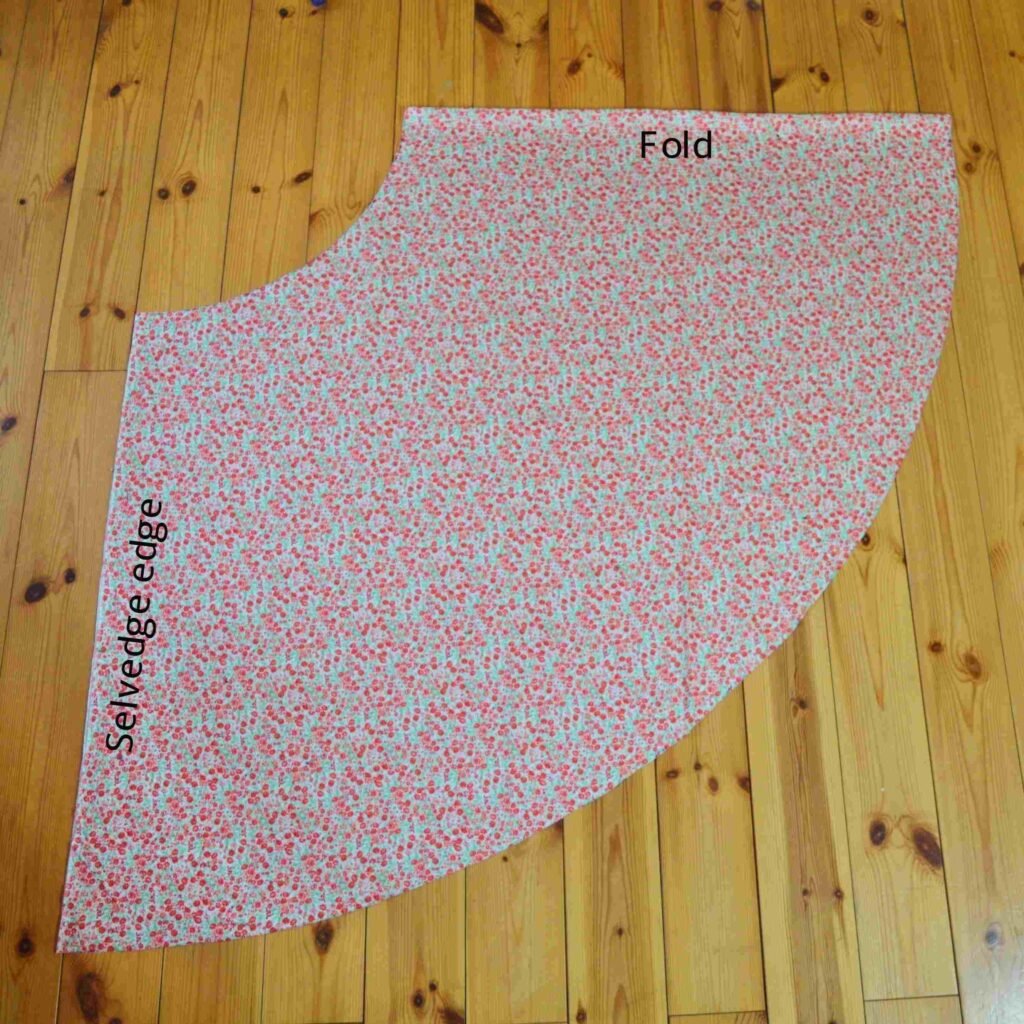
Make good use of the space when folding shorts and skirts and fold them properly as follows.
Put the clothes on a clean surface and lay them flat first.
Fold horizontally in half into a nice shape then three or four sections depending on drawer size. It works to keep clothes tidy, neat and compact and conserves space.
The best way to fold a skirt is to fold along a seam or a crease where it is natural to do so, so there will not be a lot of wrinkles. Tidy oral folding has the additional benefits of letting you find and store your clothes and garments efficiently and keeping your wardrobe tidy.
Folding Bras
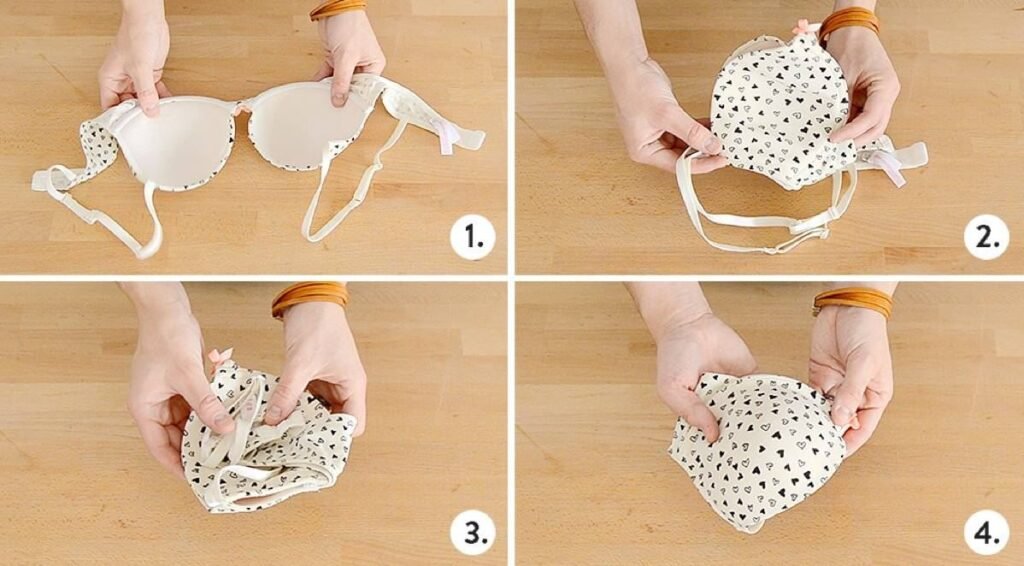
Another common error to make while putting up bras is to force one bra cup into the other, which may affect the shape and decrease the longevity of the bra.
The alternative can help to preserve the storage space and lengthen the lifespan of the wearing of your bras. First tie the back hooks, tuck in the straps, and then put the bras on, cups forward.
Display them in a row within your drawer. To make best use of space, leave the left hand cup as is, turn the right cup upside down and neatly tuck it in to nest flush with the left cup, tucking the straps in for protective and organized storage.
How to Fold Baby Clothes
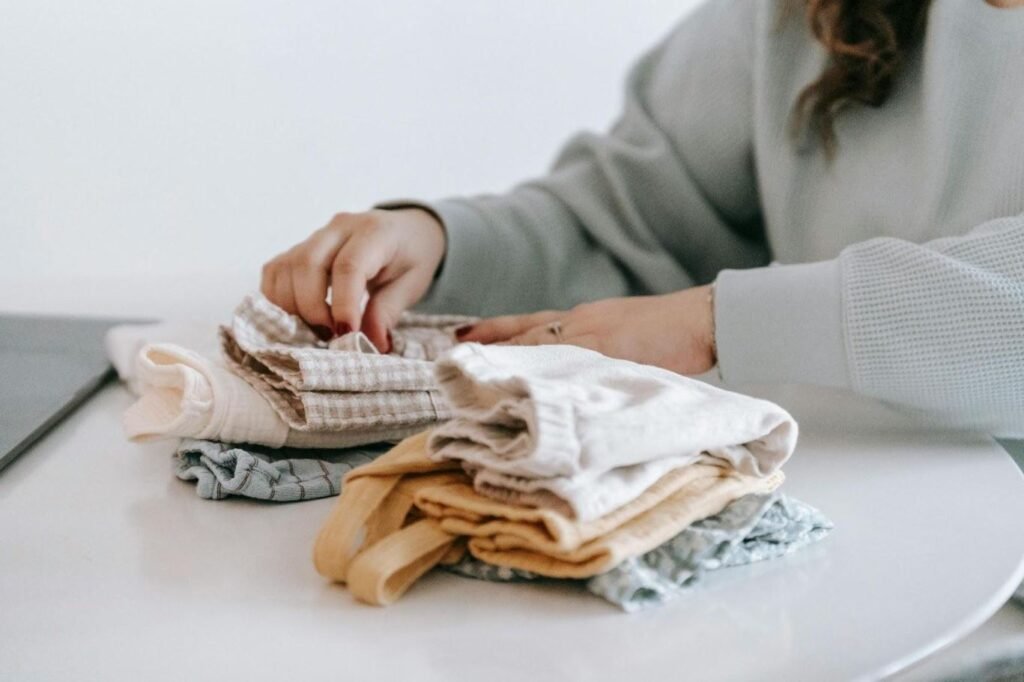
Keeping baby clothes in order is particularly tricky. They are tiny, seemingly always dirty and often need to be grabbed from the drawer in a hurry.
For baby clothes, the same technique for quick adults’ clothing changes is fabulous: you don’t need to go through all the hassle of loading a laundry basket, and you won’t need to cram baby clothes into the deepest corner of the drawer where they’re lost!
The reason is that the addition of some clear bins labeled by size can help to eliminate chaos. Only fold excavated clothes such as leave coats, sweaters and dresses.
Fold clothes that are soft (such as baby clothes from the grow bag, pjs, soft sets (leave pants and shirts)) and leave hanging space for clothes that are hard (such as sweatpants, long coats and dresses).
How to Fold a Dress
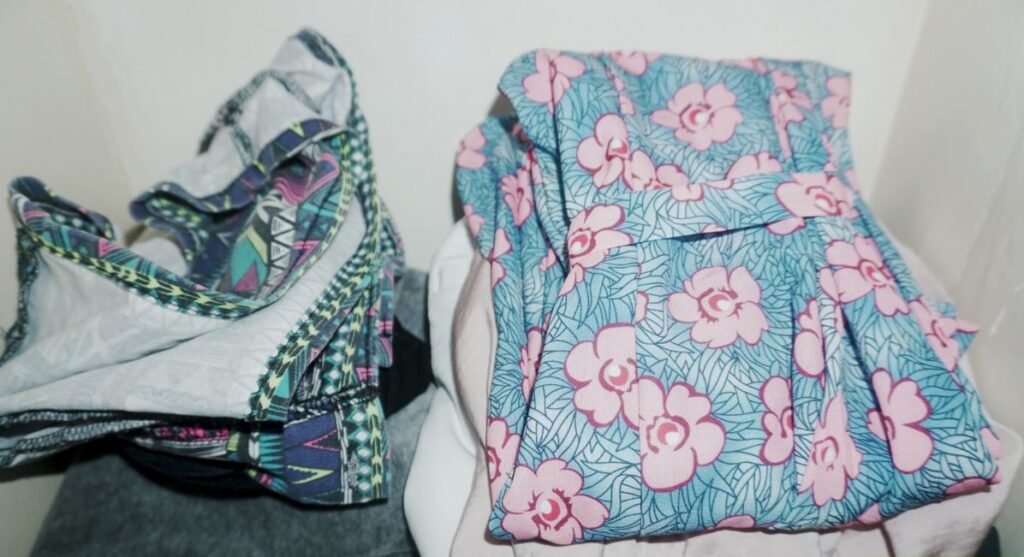
Dress folding method not only saves storage space and makes packing for journeys or summer or winter wardrobe more manageable due to reduced creasing, it also means not having to fold it at all.
Lay the dress out on a flat surface to smooth out any wrinkles or bumps. Make sleeves or create extra fabric (flare skirts, A-line skirts) and fold into rectangles to look good.
Fold the dress down again over the waist or to the middle, vertically to form a smaller rectangle. Finally, try folding the gown in half or one-third, up from the hem or gently roll it up and down and put it in a box.
Read Next