
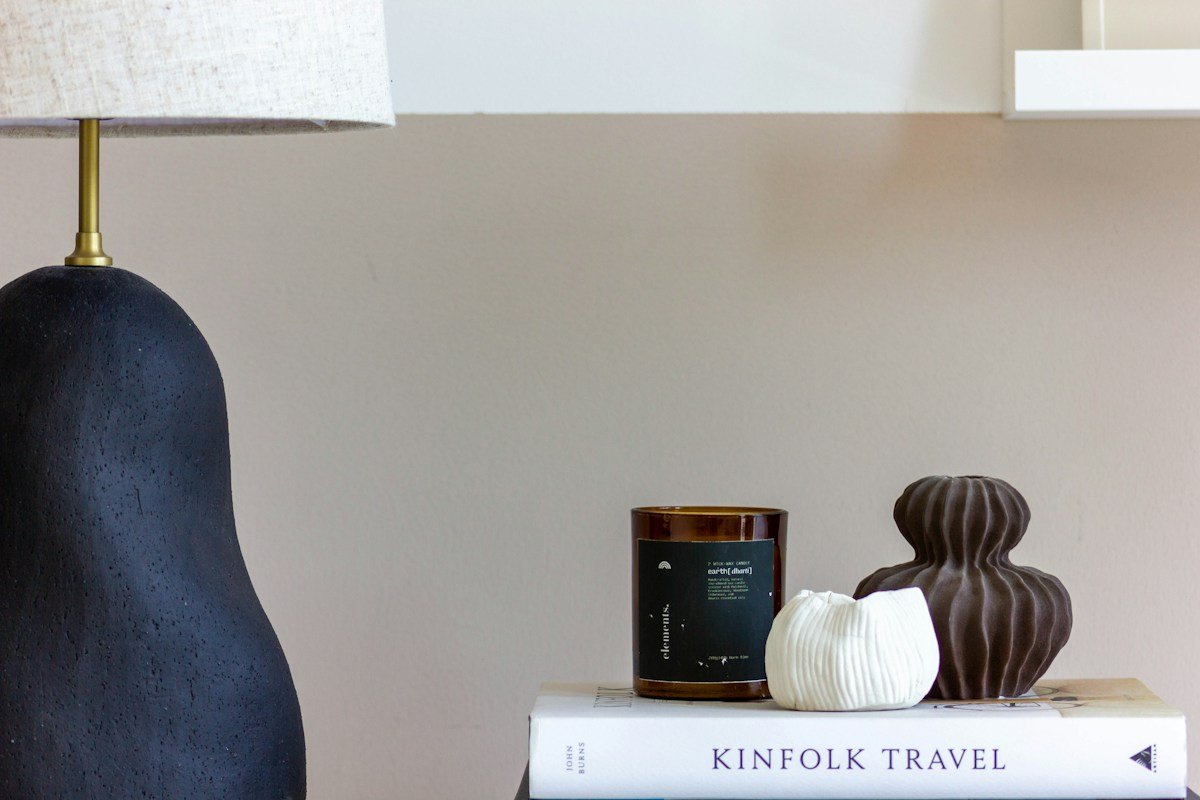
In the spatial choreography of the living room, the coffee table serves as the central altar of domestic life. Positioned at the precise geometric heart of the seating arrangement, it anchors expansive sectional sofas, frames conversational sightlines, and provides an immediate tactile surface for everyday living. When friends gather for evening wine or family settles in for quiet weekend reading, all eyes and hands naturally gravitate toward the coffee table. Yet despite its undeniable prominence, the coffee table remains one of the most chronically mishandled decorative surfaces in residential interior design.
Homeowners frequently swing between two extremes of tabletop design failure: the sterile desert and the chaotic dumping ground. On one end sits the bare, unadorned tabletop: an icy expanse of glass or polished wood interrupted only by a lonely television remote control, leaving the living room feeling cold, unfinished, and devoid of personality. On the other end lies the cluttered catch-all: an uncurated accumulation of old magazines, unread mail, plastic coasters, and tangled charging cables that creates visual anxiety and destroys the tranquility of the room.
Transforming this pivotal surface into a magazine-worthy, emotionally resonant design statement requires mastering the art of the tabletop vignette. A vignette is not an arbitrary scattering of decorative knickknacks; it is a meticulously composed, multi-layered visual narrative that unites sculptural form, rich tactile textures, organic botanical life, and functional negative space. At the absolute center of this styling mastery sits the artisanal ceramic vase: a vessel that celebrates the ancient, imperfect beauty of earth, fire, and mineral glaze, grounding contemporary interiors in timeless human craftsmanship.
Curating an extraordinary coffee table vignette requires synthesizing ceramic artistry principles from Studio Potter, artisanal craftsmanship standards from the American Craft Council, ceramic material science from the Ceramic Arts Network, clay education treatises from the National Council on Education for the Ceramic Arts, and residential styling directives from the Interior Design Society. This masterclass handbook provides an exhaustive, authoritative guide to ceramic materiality, vignette geometry, ergonomic sightline preservation, botanical styling, and sensory layering for the curated living room.
Ceramic Materiality and Glaze Chemistry: Earthenware vs Stoneware vs Porcelain
To select ceramic vessels that elevate an interior, one must look beyond mass-produced factory ceramics and comprehend the authentic material science of studio pottery. Ceramics are not identical synthetic homewares; they are geological compositions of clay minerals, feldspar fluxes, and silica quartz transformed through high-temperature pyrochemical vitrification. Understanding the three primary clay body families: earthenware, stoneware, and porcelain: reveals why handmade ceramics possess an irreplaceable tactile soul.
Earthenware represents the most ancient form of pottery, encompassing classic terracotta, redware, and maiolica. Fired at relatively low kiln temperatures (typically Cone 06 to Cone 02, or 1,800 to 2,050 degrees Fahrenheit), earthenware does not fully vitrify: meaning the clay body remains porous and absorbs between five and ten percent water. Earthenware vessels celebrate raw, earthy warmth: radiating rustic ochre, warm terra-cotta, and pale blush tones. Because of their porosity, unglazed earthenware urns should be styled with dried botanicals or fitted with internal glass liners when holding water. Their chalky, unpolished surface provides an exceptional matte contrast against slick lacquered tables and polished stone surfaces.
Stoneware represents the undisputed sovereign of modern artisanal tabletop styling. Formulated from dense sedimentary clays containing iron and natural mineral inclusions, stoneware is fired to high kiln temperatures (Cone 5 to Cone 10, or 2,165 to 2,350 degrees Fahrenheit). At these extreme temperatures, the silica within the clay melts and vitrifies, creating a non-porous, stone-like crystalline structure with water absorption below two percent. Studio potters frequently blend coarse grog (pre-fired crushed ceramic granules) into stoneware clay bodies, imparting a toothy, sand-like grit that invites human touch.
The glaze chemistry applied to stoneware dictates its visual drama. Contemporary interior stylists gravitate toward artisanal glaze formulations that celebrate geological unpredictability. Calcium and barium matte glazes produce smooth, eggshell-soft finishes that absorb light without reflective glare. Volcanic crater glazes incorporate silicon carbide, releasing microscopic gas bubbles during firing that erupt into rough, bubbling lava-like textures. Crawl glazes (such as traditional Shino glazes) crack and bead into organic islands during cooling, exposing the dark, toasty raw clay beneath. These tactile glazes transform a simple ceramic vessel into a compelling sculptural artifact.
Porcelain occupies the pinnacle of refined ceramic craftsmanship. Fabricated from pure white kaolin clay, quartz silica, and potassium feldspar, porcelain is fired to intense temperatures exceeding 2,380 degrees Fahrenheit. The resulting vessel is completely vitrified, dense, ringingly resonant, and subtly translucent when held to light. While classical porcelain was prized for smooth, glassy imperial perfection, modern studio ceramicists craft porcelain with unglazed, diamond-sanded bisque exteriors or delicate slip-cast fluting, creating ethereal, paper-thin vessels that introduce sublime sculptural lightness onto heavy wooden coffee tables.
Kiln Atmospheres and Pyrochemical Alchemy: Oxidation vs Reduction vs Wood Firing
Beyond the raw clay composition, the atmospheric chemistry inside the ceramic kiln during firing dictates the subtle tonal variations, flashing, and surface depth of studio pottery. Mass-produced commercial ceramics are fired in electric kilns under static oxidation atmospheres, where oxygen remains abundant throughout the cycle. This creates flat, uniform, predictable colors that lack nuance. Studio ceramicists, by contrast, utilize complex atmospheric alchemy to generate one-of-a-kind collector vessels.
In a fuel-burning gas kiln, potters manipulate the air-to-fuel ratio to initiate reduction firing. By deliberately starving the kiln chamber of oxygen at peak temperatures (above 1,800 degrees Fahrenheit), the flames are forced to hunt for oxygen atoms locked inside the mineral oxides of the clay and glazes. When iron oxide in stoneware loses oxygen under reduction, it transforms from rusty red into deep, toasty charcoal and iron spotting that bleeds through the glaze surface. Copper oxide, which fires bright green in oxidation, magically transforms under heavy reduction into legendary, velvety oxblood and copper red.
Wood-fired ceramics represent the ultimate pinnacle of atmospheric serendipity. In traditional multi-chambered anagama kilns or climbing kilns fired with cordwood continuously over several days, flying wood ash drifts through the kiln chamber and settles onto the shoulders of unglazed pots. At temperatures exceeding 2,300 degrees Fahrenheit, this natural fly ash melts with the silica in the clay body, forming an organic, flowing natural ash glaze. The intense ember beds leave direct flame markings, carbon flashes, and rough mineral deposits across the pottery. Displaying a wood-fired ceramic urn on a modern coffee table connects your living room directly to primal geological and thermal forces.
Raku firing offers another dramatic artistic expression. In the Japanese-inspired Western Raku process, ceramic vessels are pulled glowing-hot from the kiln at 1,800 degrees Fahrenheit using long metal tongs and immediately plunged into covered metal bins packed with combustible organic matter like pine needles, sawdust, or shredded paper. The intense smoke and oxygen starvation blacken unglazed clay surfaces with carbon while cooling glazes fracture into intricate crackle networks, producing stark, graphic vessels that make magnificent statements in contemporary minimalist rooms.
The Tactile Philosophy: Wabi-Sabi and Biophilic Interior Principles
In an increasingly digitized world dominated by smooth smartphone screens, synthetic plastics, and machine-extruded furnishings, human beings suffer from tactile sensory deprivation. Residential interiors that rely exclusively on factory-perfect surfaces feel sterile, institutional, and emotionally detached. Incorporating artisanal ceramics into living spaces fulfills a deep, biological human need for authentic tactile engagement: an approach rooted in biophilic design principles and the ancient philosophy of Wabi-Sabi.
Wabi-Sabi, a foundational Japanese aesthetic philosophy originating in Zen Buddhist tea ceremonies, celebrates the beauty of things that are imperfect, impermanent, and incomplete. Rather than striving for artificial symmetry or glossy industrial perfection, Wabi-Sabi reveres natural materials that show the marks of the human hand and the passage of time: the subtle wobble of a wheel-thrown vase neck, the rough grit of an unglazed stoneware shoulder, the organic pooling of wood ash, and the microscopic crackle of a crazed glaze. When placed on a coffee table, a Wabi-Sabi ceramic vessel brings psychological grounding, reminding occupants to slow down, embrace life’s authentic imperfections, and find contentment in organic simplicity.
Biophilic design research demonstrates that human neurological systems respond with measurable reductions in cortisol, blood pressure, and psychological stress when exposed to natural materials and fractals found in organic nature. Natural clay is elemental earth: decomposed granite and feldspar weathered over millennia by rain and wind. When you run your hand across a toothy, sand-grogged ceramic vase or a carved stone bowl on your coffee table, your tactile receptors trigger calming parasympathetic nervous responses that synthetic materials cannot induce.
The Geometric Formula of the Tabletop Vignette: The Rule of Threes and Asymmetry
Creating a tabletop vignette that captivates the human eye without feeling cluttered relies on timeless principles of visual psychology. When objects are arranged haphazardly, the brain interprets them as clutter. When they are arranged in rigid, symmetrical pairs (like twin candles flanking a centerpiece), the arrangement feels stiff, formal, and lifeless. The secret to effortless, organic tabletop styling lies in the Rule of Threes and dynamic asymmetrical balance.
The Rule of Threes is a fundamental tenet of visual composition. The human brain naturally seeks patterns and organizes visual stimuli into cohesive units. When presented with an even number of items (two or four), the mind instinctively pairs them up, creating a static, predictable visual stop. An odd number of objects: particularly three: forces the eye to travel continuously between points, establishing visual rhythm, motion, and spatial intrigue.
Within a tabletop vignette, the Rule of Threes manifests as the Triad of Proportions, consisting of three distinct sculptural elements working in harmony:
Element 1: The Vertical Anchor (Height). This is the tallest element in the composition, almost always fulfilled by an artisanal ceramic vase holding sculptural foraged branches or dried floral stems. The vertical anchor draws the eye upward from the flat table plane, establishing vertical presence and architectural drama.
Element 2: The Horizontal Base / Volume (Mass). This element provides horizontal grounding and structural weight, typically composed of a stack of two or three oversized hardcover coffee table books or a substantial low-profile stone or ceramic tray. The horizontal base anchors the grouping to the tabletop surface and acts as a pedestal for smaller accents.
Element 3: The Sculptural Tactile Curiosity (Detail). This is the intimate, low-profile accent that invites touch and closer inspection: a hand-carved wooden chain link, a shallow travertine catchall bowl, a brass match strike, a sculptural ceramic knot, or an organic geological mineral specimen (such as raw selenite or petrified wood). It introduces unexpected geometric intrigue and completes the triad.
Asymmetrical balance is the catalyst that brings the triad to life. Rather than grouping all three items into a tight, centered cluster, arrange them in a relaxed scalene triangle across the designated styling zone. Position the tall ceramic vase toward the back-left corner, place the horizontal book stack toward the front-right, and tuck the sculptural curiosity nestled adjacent to the books. This triangular layout ensures that the vignette looks balanced, dynamic, and intriguing from every seating angle around the room.
Scale, Sightlines, and Ergonomics: The 18-Inch Golden Ceiling Rule
The most beautiful tabletop vignette becomes a practical nuisance if it violates the fundamental ergonomics of residential living. A living room is not a museum gallery; it is a functional social space designed for relaxed conversation, reading, and entertaining. Tabletop styling must harmonize with the physical dimensions of the room and respect human sightlines.
The most critical ergonomic boundary is the 18-Inch Golden Ceiling Rule. When occupants are seated comfortably on living room sofas and armchairs, their natural conversational sightlines cross the coffee table at an elevation approximately twenty to twenty-four inches above the tabletop plane. If you place a dense, bushy floral arrangement or an enormous, solid urn standing twenty-six inches tall on the table, it forms an impenetrable visual wall. Seated guests are forced to lean uncomfortably to the side or stretch their necks to see the person sitting opposite them, completely disrupting organic social intimacy.
To preserve effortless conversational connection, the total height of solid, opaque tabletop elements (including ceramic vases and solid sculptures) should never exceed sixteen to eighteen inches above the table surface. If you desire greater vertical drama: such as sweeping, sixty-inch tall architectural branches: the arrangement must utilize airy, skeletal botanical forms (such as delicate bare Japanese maple branches or slender dogwood cuttings). The sparse, leafless stems allow visual sightlines to pass freely through the negative space between branches, providing vertical loft without blocking facial communication.
The Negative Space Ratio is equally vital for functional longevity. A coffee table must never be entirely consumed by decorative objects. Styling experts adhere to the Sixty-Forty Negative Space Rule: a minimum of sixty percent of the tabletop surface area must remain completely clear of decorative objects! This open real estate provides essential, functional negative space where occupants can set down coffee mugs, cocktail glasses, laptops, reading glasses, and shared appetizer platters without knocking over delicate porcelain vessels.
Clearance perimeters between furniture pieces dictate physical comfort. A minimum clearance margin of fourteen to eighteen inches must be maintained between the outer edge of the coffee table and the front edge of surrounding sofas and accent chairs. This clearance provides comfortable legroom and allows occupants to stand up and navigate around the seating group without bruising shins or brushing against tabletop vignettes.
Coffee Table Surface Geometries: Rectangular, Round, Oval, and Organic Free-Form
The physical geometry of the coffee table dictates the compositional grid of your vignette. What works brilliantly on a long, rectangular oak table will look crowded and chaotic on a circular marble cocktail table. Adapting styling formulas to specific tabletop silhouettes ensures harmonious spatial proportion.
Rectangular Coffee Tables: Rectangular tables are the most common silhouette and provide the greatest styling flexibility. To avoid visual chaos, mentally divide the rectangular table surface into two or three distinct horizontal quadrants. In a two-quadrant layout, dedicate one half of the table to your structured vignette (the ceramic vase, books, and sculptural curiosity), while leaving the opposing half completely open or punctuated by a single low-profile wooden tray. In a three-quadrant layout (ideal for long tables exceeding sixty inches), place a tall ceramic vessel on one third, a stack of books in the center, and a low ceramic fruit bowl or pair of candleholders on the remaining third, maintaining rhythmic spacing between groupings.
Round and Circular Coffee Tables: Circular tables lack straight reference lines, causing rectangular groupings to feel awkward and misaligned. Round tables demand a centered triangular core layout. Visualize an equilateral triangle inscribed within the center circle of the table. Place the tall ceramic vase at the rear vertex of the triangle, the book stack at the second vertex, and the sculptural curiosity at the third vertex. Because round tables are frequently viewed from a 360-degree radius, every object within the vignette must be finished and attractive from all sides: avoid items with unsightly hollow backs, raw cords, or exposed stickers.
Oval and Elliptical Coffee Tables: Oval tables combine the curved softness of circular tables with the directional length of rectangles. The optimal styling technique is a linear axial composition: arrange three curated objects along the gentle spine of the long axis, tapering height from a dominant ceramic vessel on one end down to low, tactile objects on the other, allowing the natural curved ends of the table to remain airy and unencumbered.
Organic Free-Form and Live-Edge Tables: Tables featuring irregular tree-slab contours, amoeba silhouettes, or brutalist concrete edges possess strong sculptural personalities of their own. Over-styling a live-edge table creates competing visual noise. On organic surfaces, adopt a radical minimalist approach: a single, oversized artisanal ceramic urn with hand-thrown grog texture, offset slightly from the natural knot or curved contour of the wood, celebrating negative space and highlighting the organic grain of the timber.
Botanical Curation: Sculptural Foraged Branches, Dried Flora, and Fresh Botanicals
An artisanal ceramic vase achieves its full aesthetic potential only when paired with intentional botanical life. Greenery and botanical stems introduce living energy, seasonal seasonality, and soft organic movement into an arrangement dominated by static wood, stone, and ceramic surfaces. However, the modern design sensibility has decisively moved away from tight, spherical florist bouquets in favor of architectural, sculptural botanicals.
Sculptural foraged branches represent the highest expression of contemporary botanical styling. Rather than purchasing symmetrical commercial cut flowers that wilt within four days, savvy stylists forage or purchase architectural woody stems that celebrate natural asymmetry. Olive branches, bare magnolia stems with velvety buds, flowering quince, willow branches, and forsythia bring dramatic sculptural gesture into the room. A single, gracefully curved three-foot branch positioned inside a heavy stoneware vase commands immense presence, transforming the vessel into a living art installation.
Conditioning and preserving woody branches requires specific horticultural techniques to ensure they drink water effectively and remain vibrant for weeks. Unlike soft herbaceous flower stems that cut cleanly with scissors, thick woody branches have dense fibrous bark that seals quickly, preventing water uptake. When bringing fresh branches indoors, use heavy-duty bypass pruners to cut stems at a sharp forty-five-degree angle. Next, use a clean utility knife to score two vertical X-slits into the bottom two inches of the branch base, or gently tap the stem base with a wooden mallet. This splits the outer bark, exposing the internal xylem vessels and allowing the branch to drink water freely.
To keep vase water pristine and prevent foul bacterial odors inside opaque ceramic urns, add two drops of household bleach or three drops of horticultural activated charcoal to the lukewarm water. Change the water weekly and trim a quarter-inch from the branch bases to maintain continuous capillary flow. If branches feature budding flowers (such as cherry blossoms or quince), misting the buds daily with a fine water spray accelerates gentle blossoming across your living room.
Preserved and dried botanicals offer maintenance-free longevity and rich textural warmth, making them ideal for busy households and low-light living rooms. Dried bleached palm spears, seed pods, wild lotus pods, fluffy bunny tails, and dried eucalyptus branches provide earthy, dusty textures that harmonize exquisitely with matte ceramic glazes. Because dried botanicals require zero water, they eliminate the risk of water rings, moldy vase interiors, or accidental spills across expensive veneer coffee tables.
The Japanese art of Ikebana provides profound inspiration for minimalist floral curation. Rather than stuffing a ceramic vase neck full of dozens of stems, Ikebana celebrates the poetic beauty of negative space, linear branch structure, and mindful restraint. Stylists utilize internal brass kenzans (pin frogs) placed at the bottom of wide-mouth ceramic bowls or shallow urns, anchoring just two or three carefully pruned stems at dynamic angles. This minimalist discipline allows the sculptural form of the ceramic vessel and the architectural silhouette of the branch to be appreciated simultaneously.
Decorative Trays and Cohesive Base Anchors
One of the most powerful styling tools for mastering coffee table vignettes is the architectural decorative tray. In open-concept living rooms or expansive table surfaces, smaller decorative objects: such as matchboxes, candles, crystals, and coasters: can easily appear scattered and untethered, reading as visual noise. A decorative tray functions as an architectural boundary: creating a defined “room within a room” that unifies disparate objects into a single cohesive visual island.
Selecting tray materials requires thoughtful contrast against the underlying coffee table surface. The foundational styling rule dictates that the tray material must contrast with the tabletop material: never place an oak tray on an oak table, or a white marble tray on a white marble table! Contrast creates dimensional layers that catch the eye:
On warm wood coffee tables: specify trays crafted from cool honed travertine, unpolished black Nero Marquina marble, aged brushed brass, or woven tactile seagrass. The cool stone or metallic luster provides crisp separation from the warm wood grain.
On cool stone or glass coffee tables: introduce trays crafted from warm quarter-sawn white oak, rich walnut, hand-tooled leather, or unlacquered blackened iron. The organic warmth of wood or leather softens the hardness of glass and stone, injecting sensory comfort into modern living areas.
Corral functional living room essentials inside the tray alongside decorative accents. Placing the television remote control inside a small horn or lacquer box, setting coasters in a tidy stack, and placing a scented candle alongside a small ceramic bud vase transforms everyday utilitarian clutter into a curated, purposeful display.
The Art of the Coffee Table Book Stack: Curation, Sizing, and Palette Harmony
Hardcover coffee table books are the unsung structural heroes of tabletop styling. Beyond offering fascinating visual reading on architecture, travel, photography, and art, books provide flat, horizontal pedestals that elevate smaller sculptural objects, introduce structured linear geometry, and inject sophisticated color palettes into the vignette.
Curation is paramount: the books displayed on your coffee table should reflect your authentic intellectual passions and aesthetic interests. Avoid generic, empty cardboard faux books purchased purely for decor; genuine books convey intellectual soul and invite guests to browse through captivating pages during social visits.
Stacking geometry requires adhering to physical sizing hierarchies. When stacking books, always adhere to the Pyramidal Stacking Rule: place the largest, widest, and heaviest book at the bottom of the stack, and place progressively smaller volumes on top. A smaller book balanced beneath a larger book creates an unstable, clumsy silhouette that visually disturbs the eye. A typical stack should comprise two to four volumes: enough to provide substantial horizontal mass (two to three inches of vertical height) without overpowering surrounding accents.
Palette curation across book jackets and spines requires discipline. In contemporary neutral living rooms, remove glossy, high-contrast paper dust jackets to reveal the luxurious linen, embossed cloth, or textured buckram bindings beneath. Book spines in warm oatmeal, charcoal, olive green, terracotta, and soft ivory create a cohesive, museum-quality foundation that allows an artisanal ceramic vase or sculpted stone bowl resting atop the stack to shine as the primary focal point.
Sensory Elements: Scent, Ambient Light, and Tactile Curiosities
An extraordinary tabletop vignette engages far more than the visual sense; it orchestrates a holistic sensory experience encompassing tactile touch, ambient candlelight, and evocative scent. A living room that looks beautiful but feels cold and sterile fails to fulfill its ultimate purpose as a welcoming home sanctuary.
Artisanal candles housed inside wheel-thrown ceramic vessels represent the ultimate convergence of sculpture, scent, and warm light. When selecting candles, avoid mass-produced synthetic paraffin waxes in favor of clean-burning natural soy, coconut, or beeswax candles infused with pure essential oils and botanical essences. Earthy, grounding fragrance profiles: such as smokey cedarwood, amber resin, vetiver, cardamom, sandalwood, and fresh bergamot: mirror the mineral, organic qualities of handmade pottery.
Pairing candles with functional ceramic match strikers elevates the simple ritual of lighting a candle into a mindful domestic experience. Hand-thrown stoneware match holders equipped with unglazed, toothy exterior friction surfaces allow strike-anywhere matches to be ignited directly against the ceramic body, eliminating unsightly cardboard matchboxes from the tabletop.
Tactile curiosities provide the final layer of personal charm and playful discovery. Incorporating a heavy, hand-carved marble chain link, a petrified wood bookend, an antique brass magnifying glass, or a bowl of smooth, water-tumbled black river stones invites guests to reach out, pick up objects, and engage their sense of touch. These tactile artifacts break up rigid geometry, injecting organic warmth and handcrafted humanity into the living space.
Architectural Lighting on Tabletop Vignettes: Highlighting Ceramic Textures
A beautifully styled tabletop arrangement requires thoughtful illumination to reveal its tactile surfaces. If illuminated only by high, flat ceiling light, rough ceramic glazes, linen book covers, and sculptural stone elements lose their three-dimensional depth and look washed out. Incorporating intentional directional lighting brings tabletop vignettes to vibrant life after sunset.
Positioning a warm-dimming ceiling accent downlight or adjustable gimbal luminaire directly above the coffee table at an angle creates vertical grazing light. As the light washes across the rim and shoulder of a rough grog stoneware urn, it casts delicate micro-shadows behind each volcanic crater bubble and incised carving line. These micro-shadows emphasize the handmade origin of the pottery, highlighting the artist’s touch.
At night, pairing the vignette with nearby mid-level accent lamps: such as an artisanal ceramic table lamp on an adjacent side console or an articulated floor lamp casting low-angle light across the coffee table plane: creates soft horizontal illumination. This side light glances across the surfaces of books and bowls, creating a warm, golden pool of light that invites relaxation and social conversation.
Ceramic Tabletop Accessory Specification and Performance Analysis
The comparative analysis table below synthesizes key material performance metrics, clay body classifications, surface tactilities, structural stability ratings, water permeability, optimal interior aesthetics, and investment cost expectations across four primary artisanal ceramic vessel categories: Raw Stoneware Urns, Matte Honed Porcelain Vessels, Reactive Volcanic Glaze Pitchers, and Terracotta Amphora Pots.
| Ceramic Vessel Typology | Clay Body & Firing Temp | Surface Tactility & Finish | Vessel Stability & Weight | Water Permeability | Optimal Interior Aesthetic | Average Investment Tier |
|---|---|---|---|---|---|---|
| Raw Grog Stoneware Urn | High-Fire (Cone 10 / 2350°F) | Toothy, sand-grit raw bisque | Heavy & solid (Resists tipping) | Vitrified (< 1.5% absorption) | Wabi-Sabi, Organic Modern, Japandi | – |
| Matte Honed Porcelain Vessel | High-Fire (Cone 10 / 2380°F) | Silky smooth, diamond-sanded | Lightweight & refined | Impermeable (Zero absorption) | Scandinavian, Minimalist Modern | – |
| Reactive Volcanic Glaze Pitcher | Mid-Fire (Cone 6 / 2230°F) | Bubbled crater, multi-tonal | Moderate weight & grounded | Vitrified interior glazed | Mid-Century Modern, Eclectic | – |
| Unglazed Terracotta Amphora | Low-Fire (Cone 04 / 1940°F) | Chalky, warm earthen porous | Moderate (Wide base stable) | Porous (Requires liner for water) | Mediterranean Villa, Rustic Farmhouse | – |
Interpreting this comparative data underscores the critical relationship between ceramic material science and residential interior curation. High-fire raw grog stoneware urns stand as the premier choice for busy family living rooms. Thanks to their heavy structural weight, dense mineral wall thickness, and low center of gravity, stoneware urns effortlessly resist being tipped over by energetic children, wagging dog tails, or casual foot contact, while their vitrified clay bodies ensure zero risk of water leakage onto sensitive wood veneers.
For minimalist, light-filled living spaces, matte honed porcelain vessels provide an unmatched aura of refined luxury. Their diamond-sanded bisque finishes and silky tactile feel bring understated elegance to dark walnut or blackened steel coffee tables, providing ethereal sculptural contrast that catches soft natural daylight. While more delicate than heavy stoneware, their timeless beauty and complete water impermeability make them heirloom decorative investments.
Reactive volcanic glazes and rustic terracotta vessels inject authentic vintage warmth and historical gravitas into mid-century and Mediterranean interiors. Whether displaying sculptural dried palm spears or fragrant garden cuttings, matching the vessel clay body and firing chemistry to your lifestyle demands ensures that your tabletop vignette remains an enduring source of daily visual delight, tactile comfort, and relaxed hospitality.
Frequently Asked Questions
How do I prevent a ceramic vase from scratching my wooden or marble coffee table?
Handmade studio ceramics frequently feature rough, unglazed foot rings that can scratch polished wood or honed marble surfaces. To protect your furniture, adhere small, self-adhesive felt bumper pads or clear silicone bumpers to the underside of the vessel base. Alternatively, place the ceramic vase atop a decorative book stack, a fabric runner, or a felted leather coaster, completely isolating the rough pottery foot from the table plane.
Can unglazed ceramic vases hold water for fresh flowers without leaking?
Low-fire ceramics (such as earthenware and terracotta) and some unglazed stoneware vessels remain microscopically porous and will slowly weep water through the clay walls, leaving permanent white water rings or moisture damage on wooden tabletops. If displaying fresh floral stems in an unglazed or vintage vessel, always insert a narrow glass jar or plastic florist cylinder inside the vase to hold water safely.
What is the ideal height for a coffee table centerpiece arrangement?
The total height of a coffee table arrangement should generally not exceed sixteen to eighteen inches above the tabletop surface to ensure unobstructed eye-level sightlines between seated conversationalists. If you desire taller dramatic greenery, use airy, bare architectural branches with minimal foliage, which allow sightlines to pass cleanly through the open branch structure.
How do I style a two-tier coffee table with a lower storage shelf?
On a two-tier coffee table, keep the top surface light, sculptural, and functional: featuring your primary three-element vignette (vase, books, candle) while leaving sixty percent open space. Reserve the lower shelf for organized storage and quiet volume: such as two matching woven seagrass storage baskets to hide remotes and throws, or two parallel stacks of oversized design books laid flat.
What should I do with ugly television remotes on my coffee table?
Never leave plastic black remotes scattered across the table surface. Corral them neatly inside an attractive lidded decorative box: such as a small bone-inlay box, a carved wooden chest, or a leather-wrapped storage box: integrated directly into your tabletop vignette. Alternatively, place them inside a structured catchall tray alongside books and candles.
How often should I change or update my coffee table styling vignette?
A coffee table vignette does not need to be overhauled constantly, but refreshing it seasonally keeps your living space feeling vibrant and alive. A simple seasonal update involves swapping out botanicals: displaying fresh budding fruit branches in spring, lush green eucalyptus in summer, dried wheat and seed pods in autumn, and bare sculptural branches with pinecones in winter.
Can I mix different metal finishes in a coffee table tray arrangement?
Yes, mixing metals adds depth and curated character, provided it is done intentionally. Pair a warm metal (such as unlacquered brushed brass or antique bronze) with a cool or dark finish (such as blackened iron or matte black steel). Avoid mixing three or four competing shiny finishes; limit your metal palette to two complementary tones that echo fixtures elsewhere in the living room.
How do I style a glass-top coffee table where you can see through to the rug?
Glass-top coffee tables require careful grounding because objects can appear to float awkwardly over the rug pattern beneath. Anchor the arrangement by using an opaque base: such as a substantial wooden, marble, or woven tray, or a generous stack of large hardcover books: to create a visual floor for your ceramic vase and decorative objects. This grounds the vignette while maintaining the airy transparency of the glass.
What are the best types of branches for tall ceramic floor or table vases?
The most celebrated architectural branches for residential styling include olive branches (delicate silvery-green foliage), seeded eucalyptus (soft cascading texture), flowering dogwood or cherry blossom (spring architectural blossoms), bare Japanese maple branches (dramatic winter sculptural lines), and curly willow (whimsical organic movement).
Architectural Verdict and the Soulful Heart of Living Spaces
Mastering the coffee table vignette is far more than a decorative styling exercise; it is the art of curating an intimate domestic landscape that welcomes human connection, sparks creative contemplation, and grounds everyday life in tactile, organic beauty. In a world increasingly saturated with digital screens and disposable synthetic commodities, the honest weight and imperfect texture of an artisanal ceramic vessel offer a profound sensory antidote.
Creating this captivating balance requires respecting spatial physics and compositional discipline: honoring the Rule of Threes to create natural visual flow, preserving the 18-inch golden ceiling to safeguard open conversational sightlines, leaving sixty percent functional negative space for comfortable entertaining, and layering rich sensory textures through scented natural waxes, curated design monographs, and architectural foraged branches.
When composed with mindful intentionality, your coffee table transforms from an uninspired utility into a captivating, soulful focal point: an enduring living room sanctuary that reflects your personal journey, delights the senses of gathered friends, and brings timeless warmth and artisanal grace to your home for years to come.