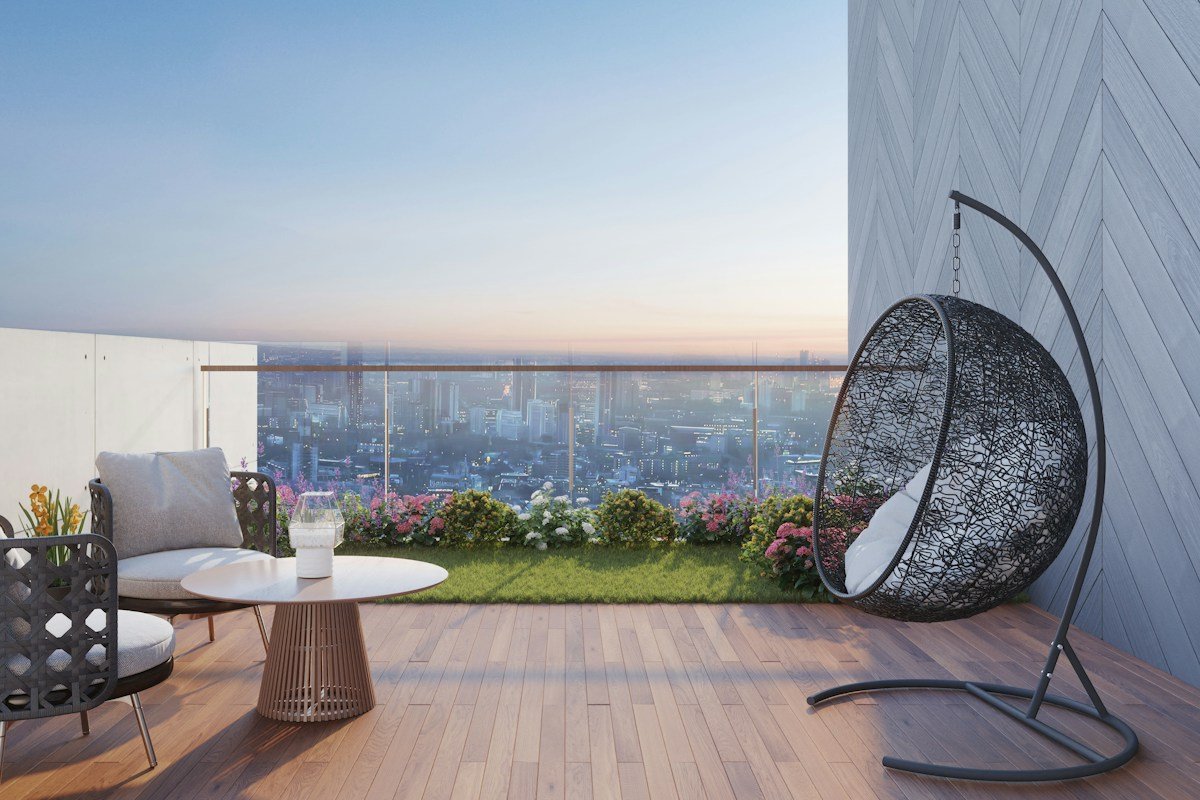
High-density urban living frequently detaches apartment dwellers from direct contact with the natural living world. Perched twenty stories above bustling city traffic, surrounded by reflective glass skyscrapers, steel mullions, and endless concrete canyons, the human nervous system naturally craves organic greenery, fresh air, and tactile tranquility. The residential high-rise balcony, often relegated to a dusty storage catchall for bicycles or forgotten folding chairs, represents precious outdoor real estate. Transforming an intimate forty-square-foot outdoor terrace into a lush, thriving urban garden provides an enchanting private oasis that elevates psychological well-being, supports clean breathing, and introduces restorative daily rituals.
Designing a high-rise balcony garden presents architectural and horticultural challenges that traditional ground-level gardeners rarely encounter. Elevated balconies operate within extreme microclimates characterized by powerful wind vortexes, desiccating thermal radiation reflected from glass facades, rapid soil moisture evaporation, and strict structural weight bearing limitations. Success cannot be achieved by haphazardly potting garden-center shrubs into heavy ceramic urns. Instead, urban balcony gardening is an exacting spatial and engineering discipline that unites vertical planting infrastructure, lightweight composite planters, wind-hardy botanical cultivars, and automated micro-irrigation systems.
Creating an enduring high-rise terrace garden requires understanding structural load mechanics, horticultural container science, and fire safety building codes. Integrating urban botanical research curated by the Royal Horticultural Society, vertical landscape standards from the American Society of Landscape Architects, container horticulture methodologies from the University of Florida IFAS Extension, and balcony building safety benchmarks established by the National Fire Protection Association, this guide delivers an authoritative roadmap for styling an elevated botanical sanctuary.
Beyond visual beauty, cultivating an elevated terrace garden fosters profound mental health benefits that counteract urban fatigue. Clinical studies in environmental neurobiology consistently demonstrate that interacting with living soil, inhaling natural plant phytoncides, and tending foliage lowers resting heart rates and significantly reduces chronic sympathetic nervous system stress. Even ten minutes spent deadheading petunias or trimming fresh basil on a sunlit balcony interrupts digital cognitive overload, anchoring your awareness in sensory tactile reality. By weaving living nature into everyday urban domestic routines, high-rise residents cultivate resilient emotional sanctuaries high above city streets.
Across the detailed sections that follow, we analyze the structural and aesthetic components of high-performance balcony garden design. You will explore dead load calculations, high-altitude wind vortex mitigation, modular vertical living wall trellises, wind-resilient plant matrices, interlocking deck tile drainage systems, and atmospheric evening illumination. Whether your balcony faces scorching afternoon sun over an urban skyline or rests in cool morning shade, this master manual provides professional blueprints to cultivate an exquisite elevated garden room.
Structural Engineering: Weight Load Limits and Planter Mass Calculations
The foremost responsibility of every high-rise apartment gardener is ensuring structural safety. Cantilevered concrete balconies and suspended metal platforms are engineered to support specific live and dead load capacities defined by regional building codes. Piling dozens of large clay planters, bags of dense topsoil, saturated water weights, and heavy iron furniture onto a cantilevered slab can push structural tolerances dangerously close to structural deflection limits. Understanding the physics of balcony load bearing is essential before purchasing a single bag of soil.
Residential building codes generally mandate that apartment balconies support a live load ranging between fifty and sixty pounds per square foot (PSF), with certain contemporary high-rises engineered up to one hundred PSF. However, live load figures are designed to accommodate human occupants, not permanent static storage. The cumulative weight of traditional glazed terracotta or cast concrete pots, filled with wet garden soil, easily exceeds forty to fifty pounds per cubic foot. When saturated following a heavy rainstorm, a single eighteen-inch ceramic planter can weigh over one hundred and twenty pounds, exerting immense localized point loading on the concrete slab.
To preserve structural safety, urban gardeners must prioritize high-performance lightweight planter materials. Modern fiberglass, rotational-molded polyethylene, cellular composite resin, and galvanized zinc containers provide the sophisticated appearance of stone or concrete at one-fifth the physical weight. A large twenty-four-inch fiberglass trough weighs barely fifteen pounds empty, allowing the majority of the weight budget to be allocated to soil volume and living plant roots rather than heavy ceramic shells.
Soil composition forms the second critical factor in weight reduction. Never use heavy, mineral-dense topsoil or garden loam on an elevated balcony. Instead, formulate an ultra-lightweight soilless potting medium composed of sixty percent coarse sphagnum peat moss or washed coconut coir, twenty percent expanded horticultural perlite, and twenty percent premium composted bark fines. This engineered medium delivers superior capillary water retention and oxygen porosity while weighing half as much as traditional outdoor soil blends even when fully saturated.
Weight distribution strategy across the balcony footprint dictates safety. Structural engineering principles confirm that cantilevered concrete slabs possess maximum load-bearing resistance along the building’s structural exterior wall and directly over supporting columns or corbels. In contrast, the outer railing edge represents the weakest point of structural leverage. Always position your largest, heaviest planter troughs directly against the interior structural building facade, keeping the outer railing perimeter reserved for lightweight hanging baskets, slender bistro seating, and pedestrian circulation.
Calculating total point loading versus distributed uniform loading prevents localized concrete stress. If you position an eighty-pound planter on four narrow iron legs, each leg concentrates twenty pounds of force onto an area of barely one square inch, which can crack fragile exterior ceramic floor tiles. Distribute container mass across broader bearing planes by setting planters on horizontal cedar runners or continuous flat rubber risers. This spreads the dead weight evenly across multiple square feet of the concrete slab, preserving the waterproofing membrane beneath.
High-Altitude Microclimates: Wind Vortex Physics and Thermal Radiation
An apartment balcony forty stories above the ground behaves like an alpine cliff face rather than a sheltered ground-level backyard. Towering urban skyscrapers create severe aerodynamic phenomena known as the Venturi effect: wind streams hitting massive building facades are forced downward and squeezed between narrow towers, accelerating into gusty wind tunnels that buffet balconies with intense velocity. Understanding high-altitude microclimates is crucial for preventing plant damage and soil desiccation.
Wind velocity accelerates moisture transpiration exponentially. As turbulent dry air rushes across plant foliage, it strips away the protective microscopic boundary layer of humid air hovering around leaf stomata. The plant’s vascular system responds by drawing massive volumes of water from the root ball to prevent cellular collapse. In modest five-gallon pots, soil can dry out completely in under four hours during windy summer afternoons, leading to severe leaf scorch, branch snapping, and premature defoliation. Furthermore, tall, top-heavy plants act as sails, blowing over easily and crashing onto balcony tiles.
Thermal radiation from modern architectural facades intensifies climatic stress. Energy-efficient Low-E window glazing is engineered to reflect intense solar infrared heat away from apartment interiors. On south- and west-facing balconies, this reflected solar energy creates a localized thermal hot box, elevating ambient balcony temperatures up to fifteen degrees higher than street-level thermometer readings. Pots placed directly against reflective glass can suffer root-baking temperatures exceeding one hundred and thirty degrees Fahrenheit, killing beneficial soil bacteria and stunting root expansion.
Mitigating high-rise wind requires installing permeable windbreak buffers rather than solid barriers. Solid acrylic or glass privacy panels create turbulent low-pressure eddies behind them, causing wind to swirl aggressively over the top and crash down violently onto plants. In contrast, semi-permeable slatted wood screens, woven bamboo lattices, or heavy-gauge wire trellises disrupt wind streams, filtering gust energy by fifty to sixty percent while allowing gentle air circulation to cool foliage naturally.
Solar aspect analysis dictates your botanical strategy. South-facing terraces demand drought-hardy Mediterranean flora, desert succulents, and silvery, sun-reflective foliage capable of handling twelve hours of blazing heat. North-facing balconies, sheltered in the deep shadows of adjacent buildings, require shade-tolerant woodland species, delicate ferns, and lush broad-leafed foliage that thrive in cool, filtered daylight without ever experiencing direct afternoon sun.
Concrete thermal mass creates an ongoing evening heat reservoir. The heavy concrete floor and brick building walls absorb immense amounts of solar radiation throughout the afternoon, radiating trapped heat well into the night. While this nocturnal warmth protects plants from sudden late-autumn frosts, it can prevent container root balls from cooling down during summer heat waves. Elevating planters off the concrete using two-inch ventilated pot risers allows airflow to circulate beneath the pots, preventing heat transfer from the slab into root zones.
Vertical Gardening Architecture: Trellises, Wall Planters, and Rail Mounts
When horizontal square footage is restricted to forty or fifty square feet, the only direction to expand your garden is upward. Vertical gardening utilizes the structural walls, privacy screens, and perimeter railings of the balcony, multiplying planting capacity fourfold without sacrificing valuable walking clearance or seating space. Transforming barren vertical surfaces into vibrant living tapestries creates an immersive green cocoon that shields the terrace from urban noise.
Wall-mounted modular felt pocket planters offer an accessible, lightweight vertical system. Constructed from heavy-duty, breathable non-woven geotextile felt, these pocket systems allow plant roots to breathe and self-prune through air contact, preventing root-bound spiraling common to plastic pots. The breathable felt fabric evaporates excess moisture evenly, cooling root zones during scorching summer heatwaves. Fasten pocket systems to freestanding marine-grade plywood backboards mounted on rubber feet, creating an air gap between the planters and the building wall to prevent moisture damage to stucco or brick exterior finishes.
Architectural metal grid trellises and wire cable systems support vigorous climbing vines and espaliered fruit trees. High-grade 316 marine-grade stainless steel cable trellis systems can be tensioned across vertical masonry walls or anchored to structural concrete posts. These ultra-slim wires provide robust support for flowering clematis, fragrant star jasmine, or climbing honeysuckle, forming an evergreen living privacy wall that masks neighboring apartment towers and absorbs traffic reverberations.
Railing planter boxes maximize perimeter real estate, but require secure, fail-safe mounting hardware. Never rest unanchored planter boxes atop balcony railings where accidental bumps or wind gusts could send them plummeting to the street below. Utilize commercial over-rail brackets fabricated from powder-coated steel that clamp securely to both sides of the railing bar. Supplement metal clamps with UV-resistant stainless steel safety cables anchored directly to the vertical railing posts, ensuring the planter remains permanently secured even during fifty-mile-per-hour seasonal windstorms.
Freestanding tiered plant ladders and baker’s racks introduce vertical rhythm without requiring wall penetrations. Arranging plants on staggered vertical tiers ensures that lower pots receive adequate overhead sunlight rather than being shaded out by larger upper containers. Place small herb pots, trailing succulents, and cascading petunias on higher shelves, reserving lower wide shelves for medium-sized evergreen shrubs and foundational containers.
Trellis anchoring against rental restrictions requires non-destructive tension poles or weighted planter anchors. If apartment building management strictly prohibits drilling into exterior walls, mount vertical wooden trellises directly to the back of heavy, rectangular planter troughs. The combined weight of the soil, roots, and container holds the vertical trellis securely in place, creating an immovable privacy screen that requires zero building penetrations.
Botanical Selection Matrix: Wind-Resilient and Climate-Adapted Cultivars
Selecting the right plant cultivars marks the difference between a flourishing sky garden and an expensive collection of dried, withered twigs. Urban balcony plants must possess specific evolutionary adaptations: flexible stems that bend without breaking in high winds, waxy or pubescent leaf surfaces that resist moisture loss, compact root structures that thrive in restricted soil volumes, and year-round architectural presence.
Wind-tolerant ornamental grasses represent the premier botanical anchor for elevated terraces. Unlike stiff, woody shrubs that snap under gale-force gusts, ornamental grasses like blue fescue (Festuca glauca), autumn moor grass (Sesleria autumnalis), and fountain grass (Pennisetum alopecuroides) possess slender, aerodynamic blades that bend gracefully with wind streams. As high-rise breezes sweep across the terrace, grasses sway rhythmically, introducing soothing auditory rustling sounds that mask distant urban sirens and traffic noise.
Dwarf evergreen conifers provide essential four-season structure, winter color, and windbreak shelter. Cultivars such as dwarf mugo pine (Pinus mugo), blue star juniper (Juniperus squamata ‘Blue Star’), and dwarf Alberta spruce (Picea glauca ‘Conica’) grow slowly, tolerate tight container root zones, and endure sub-freezing winter winds without dropping needles. Their dense, resinous needle structures withstand drying winds effortlessly, establishing an immovable evergreen backbone that anchors the terrace through dreary winter months.
Mediterranean culinary herbs thrive in the sunny, dry microclimates of south- and west-facing urban balconies. Rosemary (Salvia rosmarinus), English lavender (Lavandula angustifolia), creeping thyme, and winter savory possess needle-like leaves coated in aromatic natural essential oils that form a protective barrier against solar radiation and moisture evaporation. Planting herbs along the seating perimeter fills the terrace with delightful fragrances whenever leaves are brushed, while providing fresh, organic culinary seasonings right outside your kitchen sliding door.
Cascading trailing perennials soften rigid planter edges and introduce lush vertical movement. Dichondra ‘Silver Falls’ produces cascading ribbons of shimmering metallic-silver foliage that trail three to four feet down container sides, catching urban sunlight and tolerating extreme heat. Creeping rosemary (Rosmarinus officinalis ‘Prostratus’) cascades gracefully over rail planters while bearing delicate blue flowers, and trailing calibrachoa or petunias provide continuous summer blossoms that attract urban pollinating bees and butterflies to your high-rise terrace.
Edible urban crops bring agrarian joy to high-rise balconies. Compact determinate bush tomatoes (such as ‘Tiny Tim’ or ‘Patio Princess’) produce sweet cherry clusters in eight-inch pots without sprawling wildly. Cut-and-come-again salad greens: including butterhead lettuce, spicy arugula, and Swiss chard: flourish in shallow, six-inch-deep planter troughs, providing crisp homegrown salads from spring through late autumn. Bush strawberries planted in vertical hanging pockets send out cascading runners that yield fresh ruby berries within arm’s reach of your morning coffee chair.
Flooring and Underfoot Transformations: Interlocking Deck Tiles and Drainage Mats
The standard flooring of most urban apartment balconies is cold, utilitarian grey concrete: stained by previous tenants, rough under bare feet, and aesthetically uninspiring. Elevating your balcony garden begins from the ground up by transforming this bleak slab into a warm, tactile deck that invites you to step outside without shoes. However, balcony flooring must never obstruct concrete drainage slopes or trap water against the building slab.
Interlocking snap-together deck tiles represent the ultimate DIY flooring upgrade for high-rise balconies. Measuring twelve by twelve inches, these tiles feature top slats of natural hardwood (such as sustainable acacia, teak, or FSC-certified ipe) or wood-plastic composite secured permanently to a flexible open-grid polypropylene plastic drainage base. The interlocking click tabs allow homeowners to lay an entire balcony floor in under two hours with zero adhesives, nails, or permanent fasteners, making them completely reversible and rental-lease friendly.
Sub-floor drainage mechanics are vital for preventing water damage and mold growth beneath deck tiles. The open-grid plastic base elevates the wood slats one-half inch above the concrete slab, creating an open air channel. When rain falls or plants are watered, excess water drains instantly through the slat gaps and flows freely along the concrete slab’s designed slope toward the scupper drain. This continuous airflow prevents dampness from lingering, stops wood rot, and eliminates foul stagnant water odors.
High-grade synthetic architectural turf tiles introduce vibrant green softness to balcony floors. Premium artificial turf featuring multi-toned blades and a dense thatch layer feels remarkably plush underfoot, providing an inviting lawn surface for morning stretching, meditation, or pet lounging. Always select pet-friendly turf tiles with perforated polyurethane backings that facilitate rapid vertical water drainage, avoiding cheap rubber-backed turf that traps water and causes foul mildew accumulation.
Border transitions and perimeter clearance protect building infrastructure. Balcony floors naturally expand and contract with summer heat and winter freezes. Always leave a consistent one-inch expansion gap between the outer perimeter of your deck tiles and the balcony walls and railings. Installing purpose-made beveled edge reducers along door thresholds creates a smooth, trip-free transition between interior hardwood floors and your outdoor garden terrace.
Drainage scupper maintenance must remain accessible at all times. Building codes require balcony scuppers and weep holes to stay completely unobstructed to prevent storm rainwater from backing up and flooding into apartment living rooms. When laying deck tiles, never tile directly over the scupper drain. Cut an access hatch into the tile directly over the drain, fitting it with a removable stainless steel mesh leaf basket that catches stray potting soil and fallen leaves while allowing torrential rainwater to escape freely.
Acoustic dampening and seasonal maintenance further elevate the living experience of elevated deck flooring. Bare concrete balconies reflect street noise and echo footsteps into neighboring suites. Installing an open-grid deck tile system with rubberized backing cushions footfalls and absorbs airborne sound reflections, reducing perceived terrace ambient noise by several decibels. An annual autumn maintenance routine involves lifting tiles in high-debris zones, sweeping away accumulated organic matter, and applying a light coat of natural penetrating teak oil to hardwood slats, preserving their rich honey color and water-repelling resilience across harsh winter freezes.
Space-Optimized Balcony Furnishing: Bistro Sets and Multi-Use Storage
In a small balcony measuring five feet by eight feet, furniture scale must be calibrated with millimeter precision. Introducing standard full-sized patio furniture: like bulky deep-seating armchairs or wide dining tables: completely chokes pedestrian circulation, making plant maintenance awkward and leaving the space feeling cramped and overcrowded. Urban balcony furnishing relies on slender profiles, folding functionality, and multifunctional dual-purpose storage pieces.
Classic Parisian folding bistro sets remain the timeless benchmark for compact outdoor dining. Fabricated from powder-coated steel or solid acacia timber, a circular twenty-four-inch bistro table paired with two slender folding chairs occupies a modest footprint of barely nine square feet. When you need extra floor space for potting plants, yoga, or hosting standing guests, the entire set folds flat in seconds, stacking neatly against the wall or slipping into an interior closet.
Railing-mounted fold-down bar tables offer an ingenious alternative that eliminates freestanding table legs entirely. These compact wooden or metal table ledges clamp securely to the balcony railing balusters. When elevated, they provide an eighteen-by-thirty-six-inch dining bar perfect for enjoying morning espresso or evening cocktails while admiring the city skyline. When finished, releasing the support bracket drops the tabletop flush against the railing balusters, completely restoring open floor clearance.
Custom weatherproof storage benches serve dual roles as generous seating and concealed garden utility bins. Building or sourcing an outdoor bench with a hinged top seat provides comfortable seating for two adults when topped with outdoor sunbrella cushions. Beneath the seat lies deep waterproof storage for bags of potting soil, watering cans, hand pruners, extra pots, and fertilizer bottles, keeping unsightly gardening clutter out of sight and preserving a clean, uncluttered aesthetic.
Hanging egg chairs and woven hammock swings introduce suspended sculptural luxury for balconies with solid structural concrete ceilings above. Suspended from heavy-duty eye bolts anchored into concrete overhead slabs with epoxy anchors (subject to building management approval), a hanging woven rattan chair hovers gracefully above the floor. Because it has no floor legs, sightlines flow continuously beneath the seat, visually expanding the perceived floor area of the balcony while providing a deeply relaxing reading perch.
Multi-functional nesting stools and ottoman tables offer flexible hospitality options. Choosing hollow ceramic garden stools or weather-resistant concrete drum tables provides compact side tables for resting drinks and books, while doubling as sturdy additional seating when hosting multiple friends. Their compact footprints slip neatly under bistro tables or into planter corners when not in active use.
Smart Micro-Drip Irrigation: Preventing Runoff and Lower Balcony Leaks
Watering container plants on an elevated high-rise balcony requires strict operational discipline. In typical apartment complexes, balcony drainage scuppers empty into exterior downspouts, or worse, drip freely through gaps in the floor. Over-watering plants with a hose or bucket results in dirty, fertilizer-stained water pouring down onto the balconies of neighbors living below, leading to immediate tenant complaints and building management fines. Installing a controlled micro-drip irrigation system eliminates runoff risks while keeping plants thriving during busy workweeks.
For balconies equipped with an exterior hose bib or water spigot, a smart digital tap timer paired with a pressure-regulating filter provides automated reliability. Program the timer to deliver water early in the morning before sunrise when wind velocity is lowest and ambient temperatures are cool. Early morning hydration allows plant roots to absorb moisture deeply before midday heat causes surface evaporation, minimizing water consumption and preventing daytime leaf scorch.
For urban apartments lacking an exterior water spigot, gravity-fed and solar-powered smart watering reservoirs offer outstanding cordless solutions. These standalone systems feature a five-to-ten-gallon decorative water reservoir paired with a miniature solar-charged diaphragm pump. The pump draws water through one-quarter-inch micro-distribution tubing to adjustable pressure-compensating drip emitters inserted into each container. Connected soil moisture sensors monitor pot hydration, activating the micro-pump only when soil dries out, delivering precise ounces of water directly to root zones with absolute zero surface runoff.
Deep saucer drainage trays and gravel reservoirs provide essential runoff containment. Every elevated planter must sit inside a durable saucer tray with a minimum two-inch lip. Elevate the planter pot one inch above the bottom of the saucer using pot feet or a layer of river pebbles. This prevents the pot base from sitting in stagnant drainage water (which causes root rot) while catching all drainage water, allowing it to evaporate harmlessly into the air without spilling onto balcony deck tiles.
Pressure regulation and anti-siphon backflow valves ensure plumbing safety. Connecting directly to apartment spigots requires installing an atmospheric vacuum breaker (AVB) to prevent non-potable fertilizer water from back-siphoning into domestic drinking taps. A twenty-PSI pressure regulator steps down high municipal water pressure, preventing quarter-inch micro-tubing joints from blowing apart during automated watering cycles.
Automated fertigation and seasonal winterization protocols maintain irrigation health. Integrating an inline fertilizer injector into your micro-drip manifold allows you to deliver dilute organic kelp meal and fish hydrolysate directly to container roots with every third watering cycle, sustaining lush growth without messy manual mixing. When autumn transitions to freezing winter temperatures, disconnect tap timers, bring electronic controllers indoors, and flush remaining water out of micro-tubing lines with a portable bicycle tire pump to prevent ice from expanding and splitting plastic fittings.
Atmospheric Evening Illumination: Creating an Intimate Skyline Lounge
An apartment balcony garden reaches its peak enchantment after the sun dips below the city skyline. As downtown office towers illuminate and street traffic transforms into glittering ribbons of light, thoughtful landscape lighting turns your balcony into a magical outdoor sanctuary. Avoid harsh overhead exterior floodlights mounted by building contractors; high-rise balcony lighting should be warm, low-glare, and layered to celebrate natural textures and architectural foliage.
Warm outdoor LED string lights and festoon bulbs suspended along the perimeter railing or ceiling perimeter create an inviting celestial canopy. Choose vintage-style Edison LED filament bulbs with shatterproof polycarbonate globes that withstand high-altitude winds without breaking. Always select ultra-warm 2200K to 2700K color temperatures that cast an amber, candle-like glow across surrounding foliage. Cool white 4000K or 5000K lights create an institutional hospital glare that ruins evening tranquility and disrupts night-sky views.
Solar-powered micro-spotlights and uplights positioned inside large planter troughs highlight sculptural plant silhouettes against night skies. Aiming a small warm LED upward through the branches of a dwarf Japanese maple or blue fescue grass casts dancing leaf shadows against exterior walls, introducing dramatic depth and organic movement to the terrace. Look for solar fixtures with remote photovoltaic panels that can be angled toward optimal sunlight on balcony rails.
Heavy hurricane candle lanterns and rechargeable cordless table lamps provide intimate tabletop warmth. Lightweight open candles quickly blow out in high-rise breezes, creating smoke and fire hazards. Heavy glass hurricane lanterns equipped with battery-powered flickering LED pillar candles deliver authentic flame aesthetics with complete wind resistance and absolute fire safety. Sleek dimmable USB-rechargeable metal table lamps cast soft downward pools of light onto bistro tables, providing adjustable reading illumination for late-night outdoor relaxation.
Dark-sky compliance and neighborly lighting etiquette should guide elevated terrace fixtures. Light trespass is a frequent source of friction in dense residential apartment buildings. Ensure all balcony luminaires feature downward-directed shields, preventing light beams from spilling into adjacent apartment windows or shining upward into migration corridors for nocturnal migratory songbirds. Setting fixtures on automated two-hour shut-off timers ensures that decorative lighting extinguishes after you head to bed, conserving energy and preserving night-sky serenity.
Material Performance Comparison: Urban Balcony Planter Materials Compared
Selecting appropriate planter materials for an elevated terrace requires balancing structural weight limitations, seasonal thermal insulation, durability against ultraviolet degradation, and aesthetic elegance. Container materials that perform adequately in shaded ground-level backyards often fail rapidly on high-altitude balconies due to intense wind turbulence and direct solar exposure.
Evaluating material properties protects your financial investment and ensures healthy root systems throughout the year. High-performance planters must resist cracking during winter freeze-thaw cycles, insulate delicate roots from scorching summer heat, and remain lightweight enough to respect building live load safety margins.
The comparative matrix below evaluates the structural density, root thermal protection, UV resistance, lifespan, and weight performance of all six primary container materials utilized in modern high-rise balcony gardens.
| Planter Material Type | Structural Weight Profile | Root Thermal Insulation | Freeze-Thaw Crack Resistance | Wind Stability Metric | High-Rise Balcony Suitability |
|---|---|---|---|---|---|
| Architectural Fiberglass | Ultra-Lightweight (8-14 lbs empty) | Moderate to High (fiberglass shell) | 100% Frostproof / Zero winter cracking | High once filled with lightweight soil | Exceptional (The premier luxury choice) |
| Rotomolded Polyethylene | Very Lightweight (5-10 lbs empty) | Moderate (double-wall insulated) | 100% Impact & Frostproof | Moderate (requires wide footprint base) | Outstanding (Durable, budget-friendly) |
| Glazed Ceramic Terracotta | Extremely Heavy (45-80 lbs empty) | High (thick porous clay walls) | Poor (cracks easily in winter frost) | Extremely High (never tips over) | Poor (Exceeds balcony load capacities) |
| Galvanized Steel / Zinc | Moderate (15-25 lbs empty) | Low (metal conducts solar heat) | Excellent (metal does not crack) | High (stable structural profile) | Good (Requires interior foam insulation) |
| Geotextile Breathable Fabric | Ultralight (under 2 lbs empty) | High (air-pruning prevents heat bake) | 100% Frostproof / Flexible | Low (requires grouping or saucers) | Excellent for vegetables & wall pockets |
| Cast Concrete / Stone | Dangerous Mass (80-150+ lbs empty) | Very High (massive thermal barrier) | Good to Moderate (moisture spalling) | Immovable | Strictly Prohibited on high-rises |
Reviewing these material benchmarks confirms why architectural fiberglass and double-walled polyethylene dominate modern high-rise landscape architecture. By combining minimal dead weight with extreme weather resilience, they provide an ideal foundation for long-term botanical success.
Frequently Asked Questions About Apartment Balcony Gardens
How much total weight can I safely place on my apartment balcony?
Most residential building codes mandate balcony live load ratings between fifty and sixty pounds per square foot (PSF). To remain safely within engineering margins, calculate total static weight: including deck tiles, planters, wet soil, plants, furniture, and human occupants: and keep total loading under thirty-five to forty PSF. Always check your building HOA bylaws or property management lease guidelines for specific structural weight limitations.
What plants survive intense high-altitude winds on a high-rise balcony?
Wind-tolerant plants possess flexible stems, compact growth habits, and narrow or needle-like foliage that reduces wind drag. Outstanding choices include ornamental grasses (blue fescue, autumn moor grass), dwarf evergreen conifers (mugo pine, blue star juniper), and woody Mediterranean herbs (rosemary, creeping thyme, lavender). Avoid broad-leafed, brittle plants like hydrangeas or tall standard trees whose branches easily snap in high-rise windstorms.
How do I prevent my balcony plants from blowing over during storms?
Preventing blow-overs requires choosing low-center-of-gravity planters with wide bases, such as rectangular troughs or cubes rather than tall, tapered urns. Position heavy troughs directly against the building facade. Secure railing boxes using commercial steel mounting brackets supplemented with stainless steel safety tether cables, and insert bamboo stakes or moss poles securely into container centers to support upright stems.
How do I water balcony plants without dirty water dripping onto neighbors below?
Never water containers without deep saucer trays beneath them. Choose planters with integrated reservoir trays or place heavy-duty saucers with two-inch lips under every container. Water slowly using a micro-drip emitter system that hydrates root zones without overflowing, and line the bottom of saucers with decorative pebbles to elevate the pot base above drainage water.
Can I grow edible vegetables and culinary herbs on a small city balcony?
Yes, many culinary herbs and compact edible cultivars thrive in container gardens. Dwarf patio tomatoes, compact chili peppers, alpine strawberries, baby greens (arugula, spinach), and Mediterranean culinary herbs (basil, thyme, mint, rosemary) produce bountiful harvests in standard eight-to-twelve-inch pots receiving at least five to six hours of daily sunlight.
What type of flooring is easiest to install and clean on an apartment balcony?
Interlocking wood-plastic composite or acacia hardwood deck tiles are the easiest and most practical flooring solutions. They click together without tools or adhesives, feature open-grid plastic bases that facilitate free water drainage beneath, and can be lifted in sections for seasonal vacuuming or cleaning. When moving out, simply unclick the tiles and pack them in moving boxes without leaving marks on the concrete.
Are solar lights bright enough for evening balcony illumination?
Contemporary high-efficiency solar LED lights equipped with monocrystalline solar panels deliver ample warm illumination for small balconies. Mount the solar collector on the top balcony rail where it receives unshaded sunlight throughout the day. Supplement solar string lights with USB-rechargeable LED table lanterns to provide adjustable task lighting for reading or dining.
How do I protect balcony plants from freezing during cold winter months?
Container root balls are more vulnerable to winter freezes than ground-level plants because roots are exposed to cold air on all sides. Group containers together against the warm building facade, wrap pots in insulating bubble wrap or natural burlap blankets, and top-dress soil with two inches of shredded bark mulch. For severe sub-zero freezes, move sensitive containers indoors or cover plants with breathable frost fleece cloths.
Can I install a living vertical plant wall on a rental apartment balcony?
Yes, you can install a freestanding vertical garden that requires zero wall drilling. Use a freestanding cedar ladder shelf, a tiered metal plant stand, or a mobile plant screen mounted on lockable caster wheels. These systems provide full vertical planting density while remaining completely portable and lease compliant.
Design Verdict and Long-Term High-Rise Living Elevation
Transforming an urban apartment balcony into a vibrant, high-altitude botanical sanctuary is one of the most rewarding home improvement endeavors in modern city life. By bringing nature into vertical architecture, you reclaim outdoor living space, soften the hard edges of urban steel and glass, and create a tranquil daily retreat that nurtures physical and mental wellness.
Begin your balcony journey by assessing your structural parameters: calculate load capacities, observe wind patterns and solar exposure across morning and afternoon hours, and invest in ultra-lightweight fiberglass planters paired with well-draining soilless potting mediums. Lay interlocking hardwood deck tiles to warm the floor underfoot, introduce wind-resilient ornamental grasses and fragrant Mediterranean herbs, and install a controlled micro-drip irrigation system to protect your plants and neighbors below.
Ultimately, a masterfully styled high-rise balcony is a testament to the power of residential biophilia. It provides a peaceful front-row seat to spectacular sunsets and glittering city skylines, proving that even the most compact urban terrace can flourish as an exquisite, enduring garden sanctuary.